Tourist Spots
51 spots listed
Category(multiple selection allowed)
Area(multiple selection allowed)
51 results
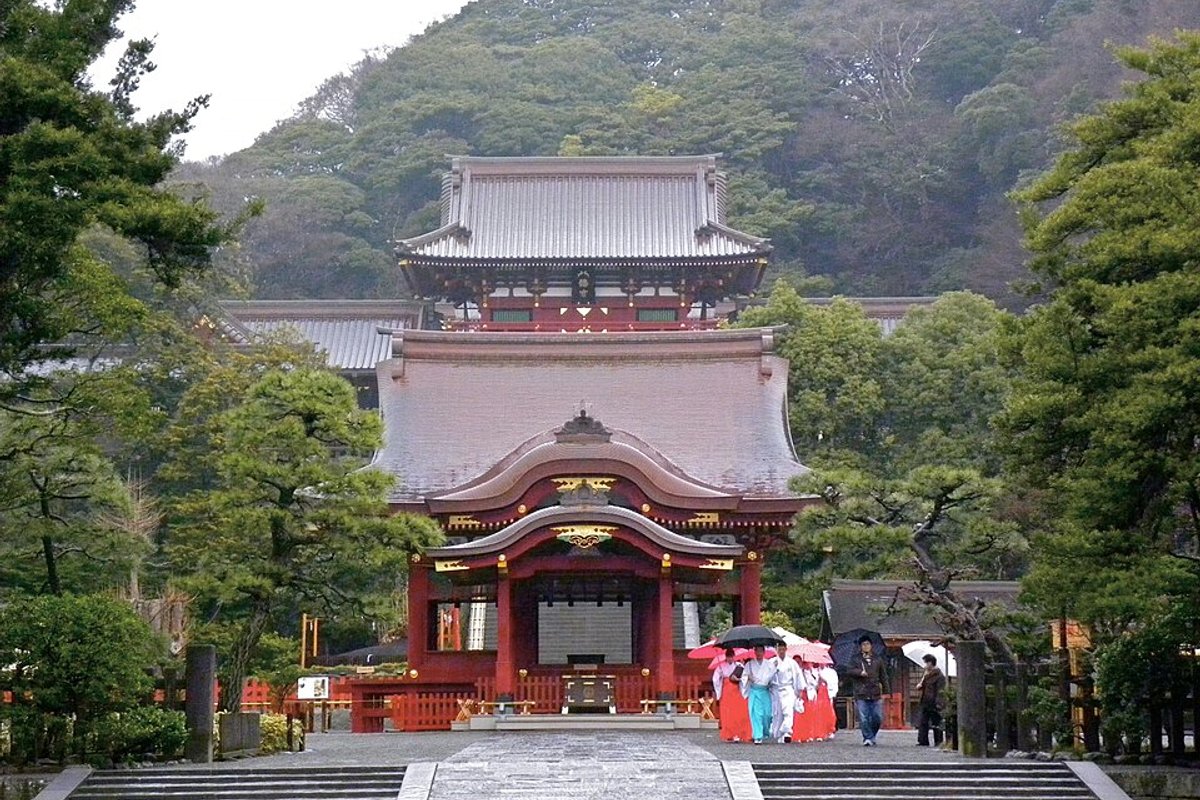
Tsurugaoka Hachimangu Shrine
鶴岡八幡宮
Tsurugaoka Hachimangu, arguably the symbol of Kamakura, is the shrine established by Minamoto no Yoritomo when he founded the Kamakura shogunate. Facing Wakamiya Oji Avenue, its impressive approach lined with a series of large torii gates makes a striking first impression. Every September, the shrine holds Yabusame (mounted archery) rituals that draw large crowds of visitors, and it is beautiful throughout the year with cherry blossoms in spring and autumn foliage in fall.
🚶 10 min walk from Kamakura Station (East Exit)
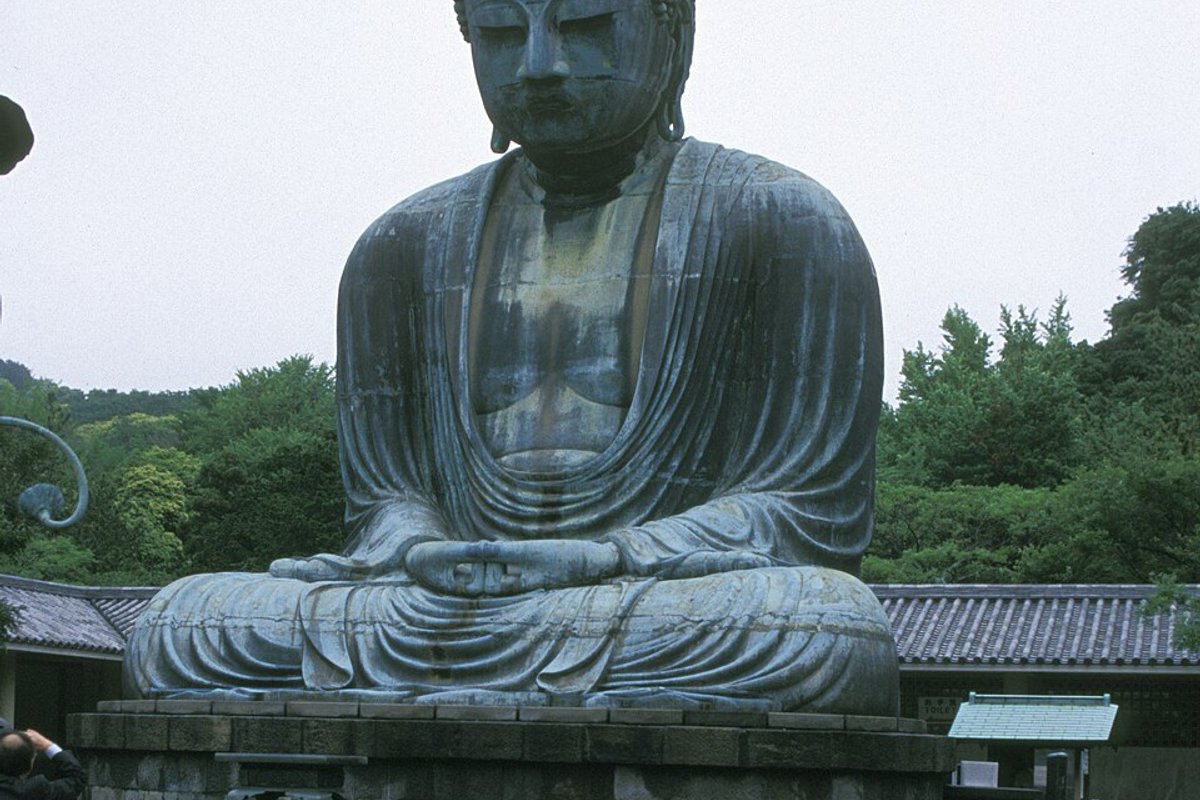
Kotoku-in (Great Buddha of Kamakura)
高徳院(鎌倉大仏)
Kotoku-in, home to the Great Buddha of Kamakura, is one of the city's signature sightseeing spots. The National Treasure seated Amida Nyorai statue stands about 11.3 meters tall and weighs roughly 121 tons. It once stood inside a great hall, but after the building was lost to typhoons and other disasters, the Buddha has sat in the open air ever since. Visitors can even step inside the statue to see the casting marks up close.
🚶 10 min walk from Hase Station
Hase-dera Temple
長谷寺
Founded during the Nara period according to tradition, Hase-dera Temple is known for its 9.18-meter-tall statue of the Eleven-Headed Kannon. From the observation deck on the grounds, visitors can look out over Yuigahama Beach and Sagami Bay, with the Izu Peninsula visible on clear days. The June hydrangea season is especially popular, when about 2,500 hydrangea bushes color the grounds and draw large crowds.
🚶 5 min walk from Hase Station
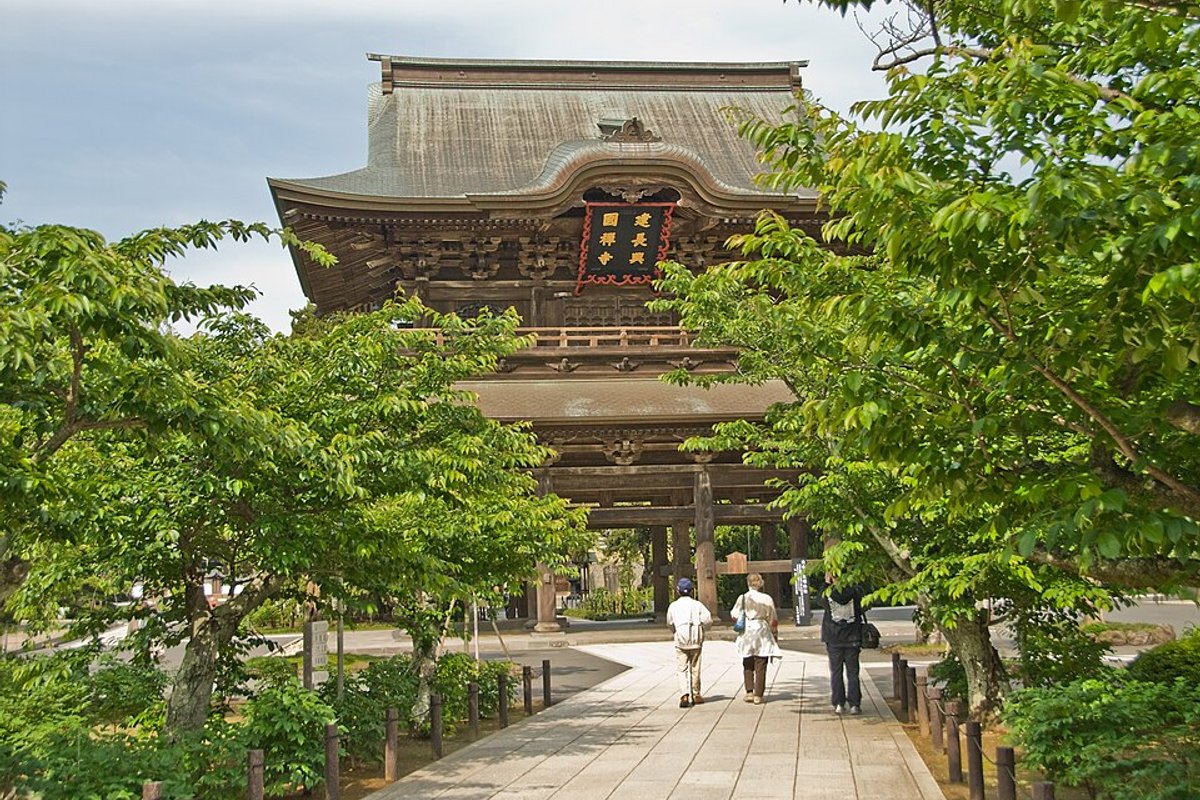
Kencho-ji Temple
建長寺
Founded in 1253, Kencho-ji is Japan's oldest Zen training monastery. Ranking first among the Five Mountains of Kamakura, it was built by Hojo Tokiyori, who invited the priest Lanxi Daolong from Song-dynasty China as founding abbot. The grounds feature an awe-inspiring Zen temple layout with the Sammon gate, Buddha hall, Dharma hall, and Chinese-style gate aligned in a single row. It's also a popular starting point for hiking, with a mountain trail toward Tengen beginning at the rear of the grounds.
🚶 15 min walk from Kita-Kamakura Station
Engaku-ji Temple
円覚寺
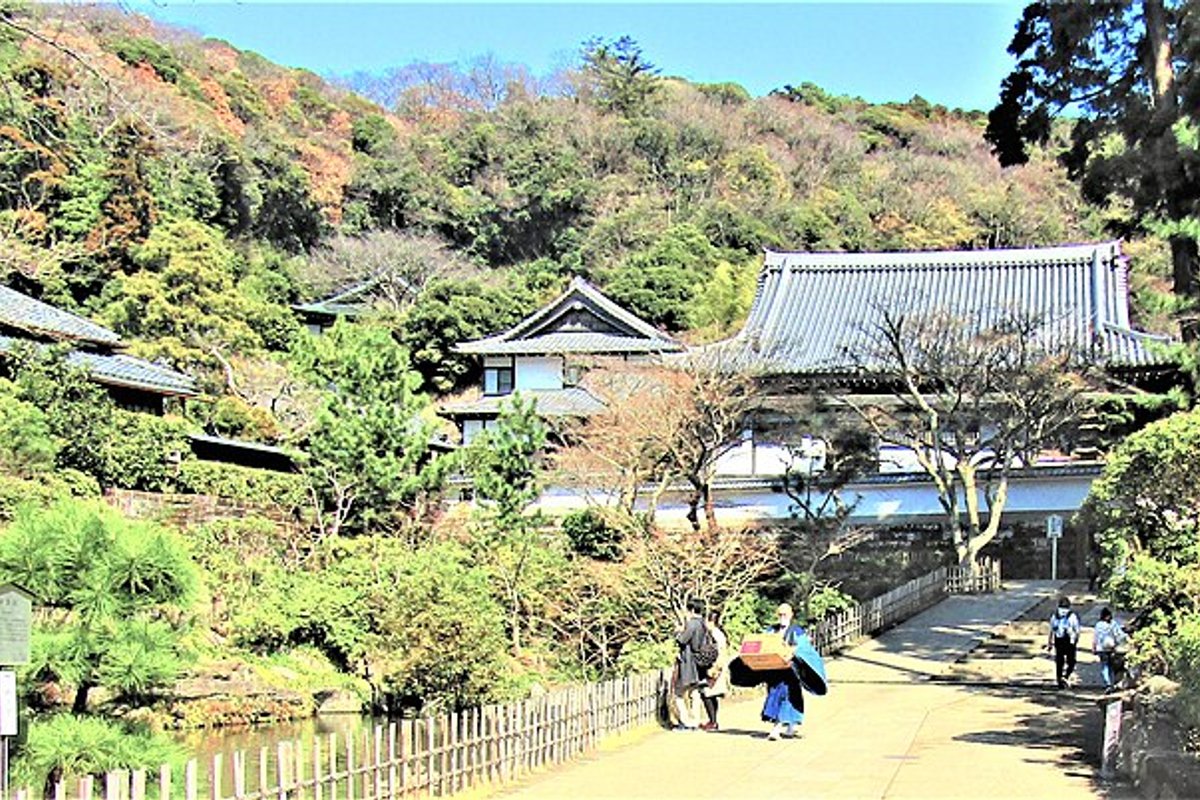
Founded in 1282 by Hojo Tokimune, the eighth regent of the Kamakura shogunate, to console the souls of those who died in the Mongol invasions, Engaku-ji is the head temple of the Engakuji school of Rinzai Zen Buddhism. It holds numerous cultural treasures, including the National Treasure Shariden hall and the Great Bell. The grounds are beautiful in every season, with the autumn foliage offering an especially breathtaking sight, and its location right next to Kita-Kamakura Station makes it easy to reach.
🚶 1 min walk from Kita-Kamakura Station
Jufuku-ji Temple
寿福寺
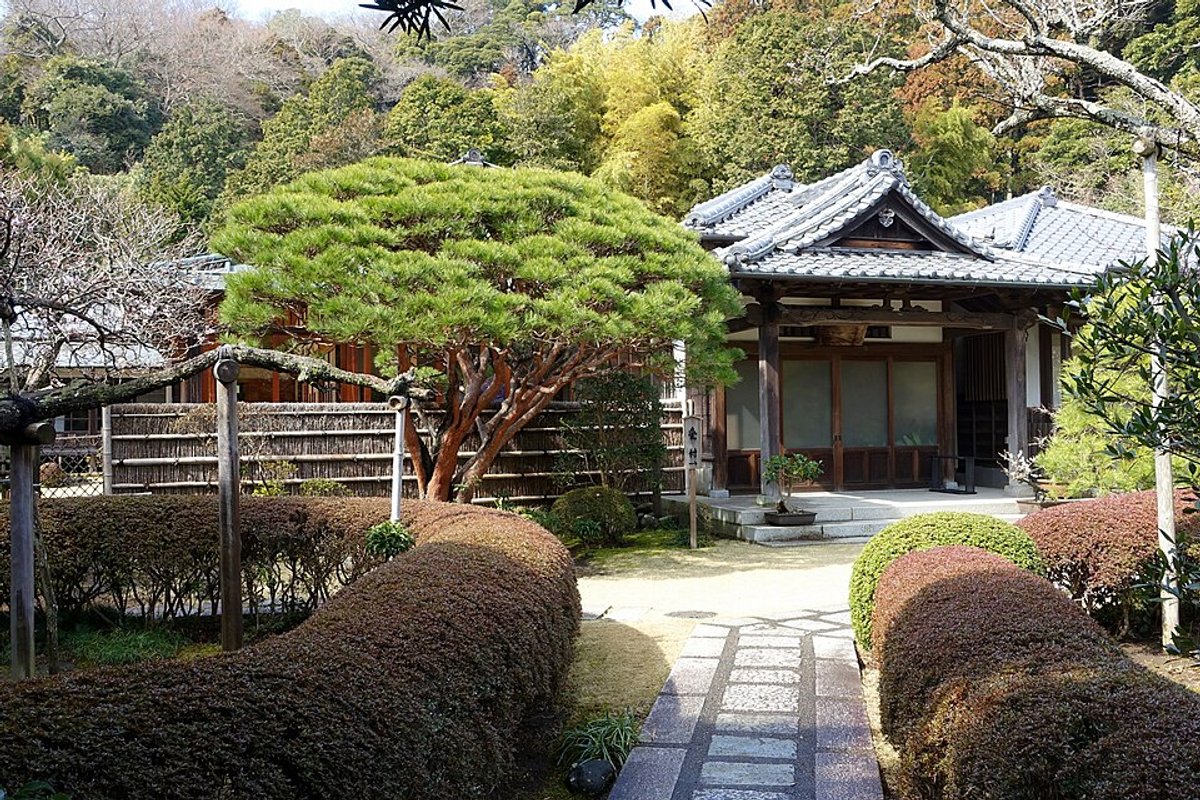
Founded in 1200 when Hojo Masako invited the Zen priest Eisai following the death of her husband Minamoto no Yoritomo, this is Kamakura's oldest Zen temple, ranking third among the Five Mountains of Kamakura. Its long stone-paved approach leads to a moss-covered, deeply quiet space at the back of the grounds. The "yagura" (cave tombs) at the rear are said to hold the graves of Hojo Masako and Minamoto no Sanetomo, drawing many visitors to this site tied to the Kamakura shogunate.
🚶 7 min walk from Kamakura Station (West Exit)
Jochi-ji Temple
浄智寺
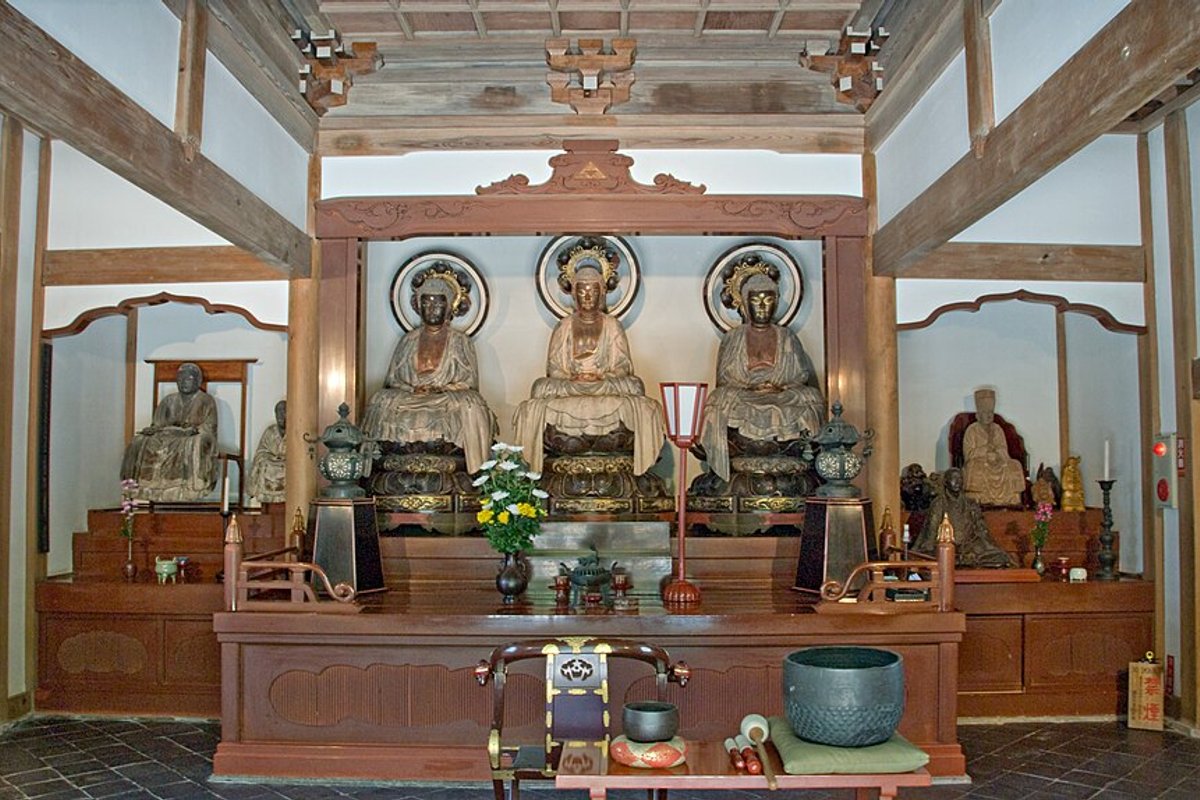
Founded in 1281 to console the soul of Hojo Morotoki, third son of Hojo Tokimune, this Rinzai-sect temple of the Engakuji school ranks fourth among the Five Mountains of Kamakura. Just north of Engaku-ji, its bamboo- and greenery-filled grounds have a calm, settled atmosphere. It's also known as the site of Hotei, one of the Seven Lucky Gods on the Kamakura-Enoshima pilgrimage — rubbing the belly of the Hotei statue enshrined in a cave on the grounds is said to bring longevity and freedom from illness.
🚶 8 min walk from Kita-Kamakura Station
Jomyo-ji Temple
浄妙寺
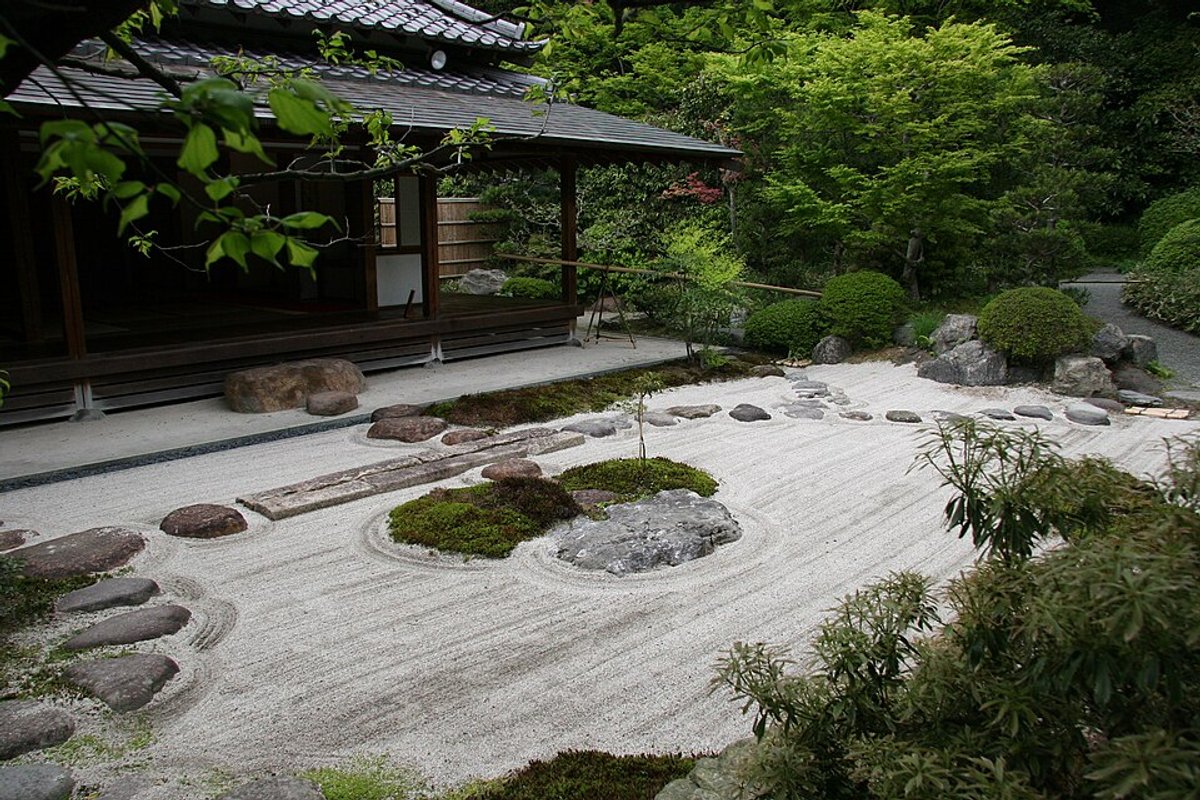
Founded in 1188 by Ashikaga Yoshikane, Jomyo-ji ranks fifth among the Five Mountains of Kamakura. Located in the quiet, less-touristed Jomyoji area on Kamakura's east side, its lush garden and grounds are beautiful, and the attached "Stone Oven Garden Terrace" serves British-style meals and afternoon tea. A hidden gem for a graceful afternoon surrounded by flowers and greenery.
🚶 25 min walk from Kamakura Station (East Exit)
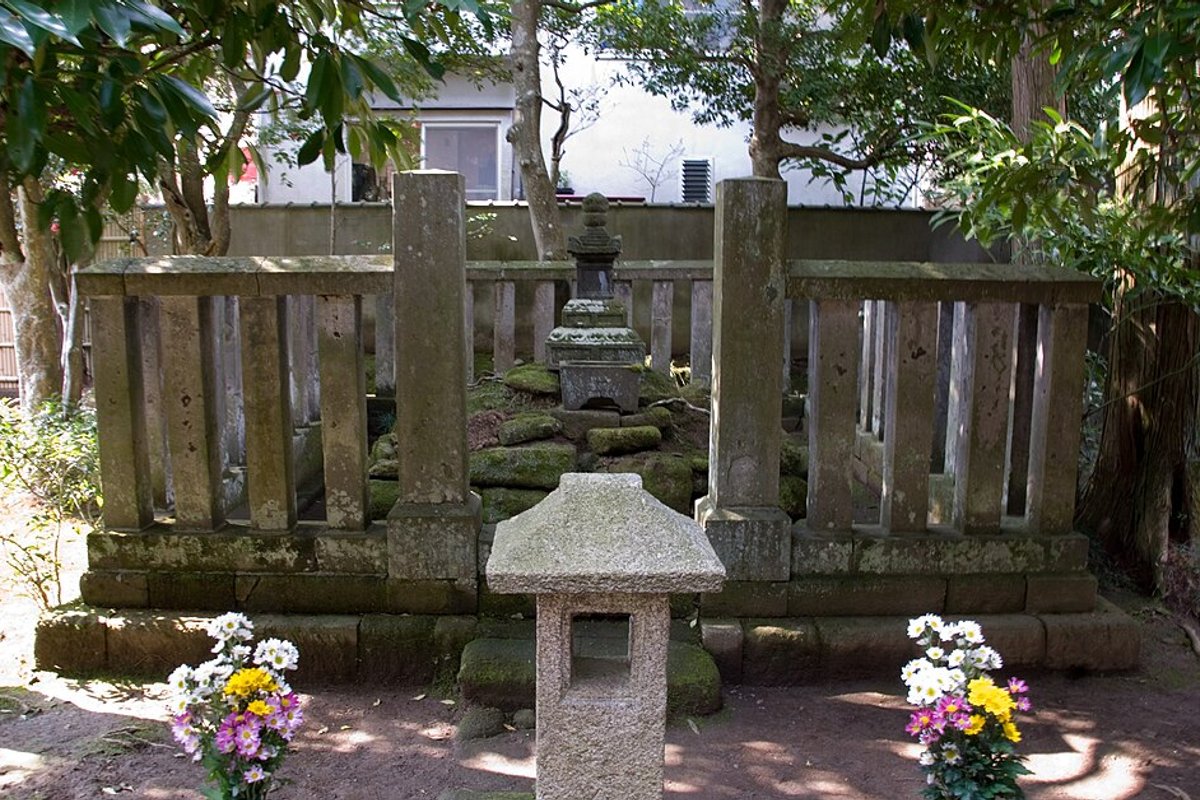
Meigetsu-in Temple
明月院
Affectionately known as the "Hydrangea Temple," this Rinzai-sect temple of the Kenchoji school bursts into bloom each June with about 1,500 blue hime-ajisai hydrangeas lining the approach and grounds, making it Kamakura's premier hydrangea spot and drawing visitors from across the country. The garden view through the main hall's round window (the "Window of Enlightenment") is also a beloved photo spot popular on social media.
🚶 10 min walk from Kita-Kamakura Station
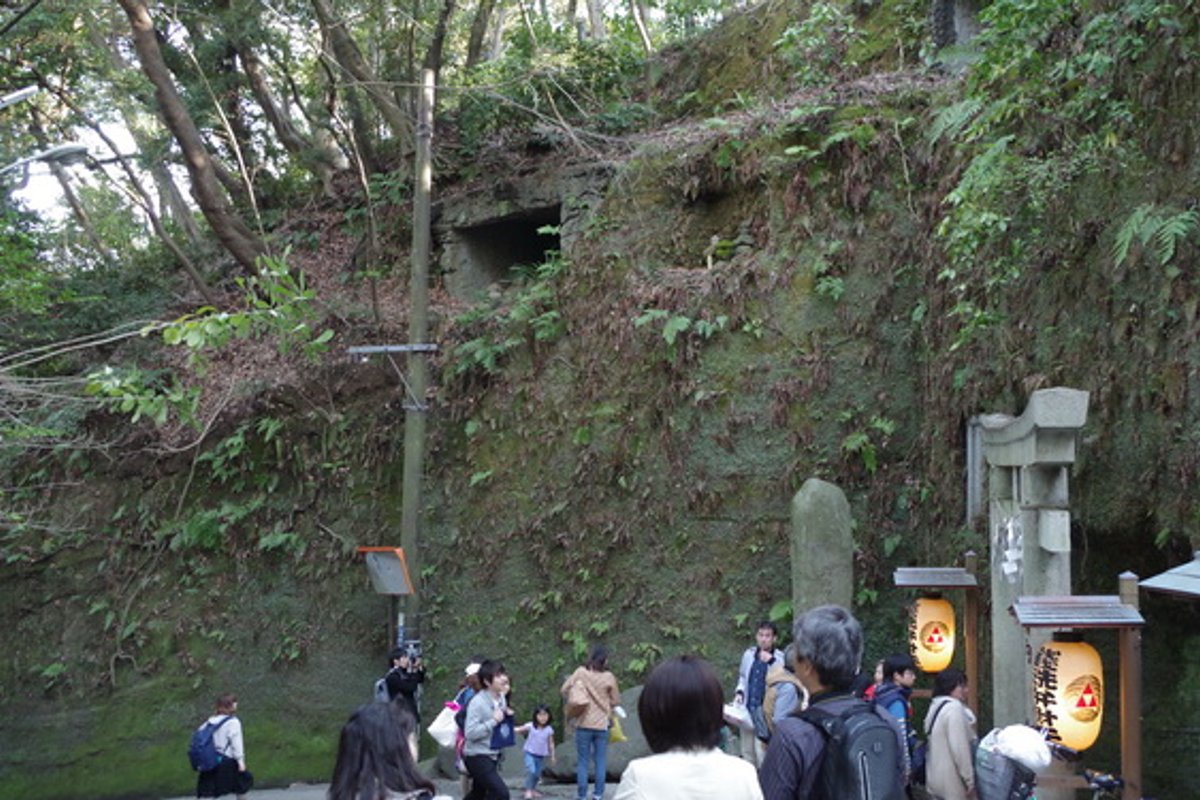
Zeniarai Benzaiten Ugafuku Shrine
銭洗弁財天宇賀福神社
Widely beloved as the "money-washing Benten," this shrine is famous for the belief that washing money in the spring water flowing from a cave at the back of the grounds will multiply your wealth, drawing visitors year-round. Its mystical setting — suddenly appearing in the mountains after passing through a tunnel from Kamakura Station — has also earned it the nickname "the hidden-village Benzaiten."
🚶 20 min walk from Kamakura Station (West Exit)
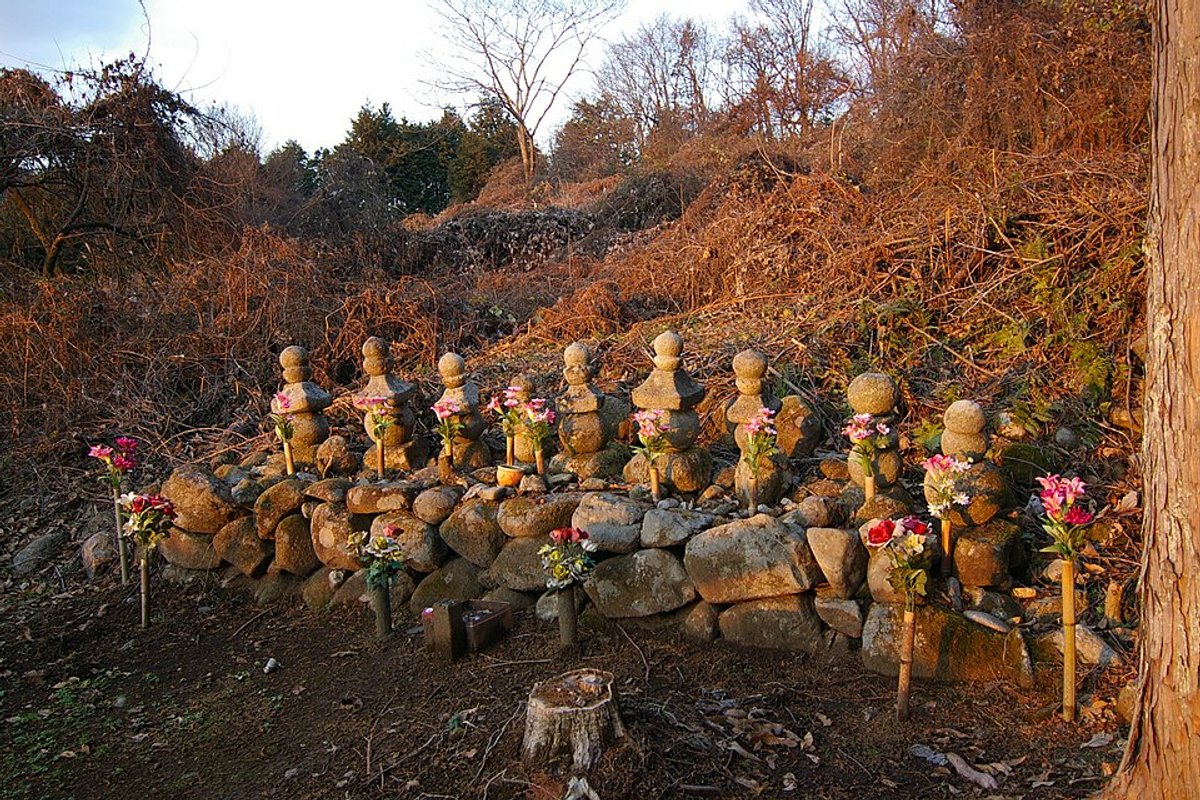
Gokurakuji Temple
極楽寺
Founded in 1259 when Hojo Shigetoki invited the priest Ninsho, this Risshu-sect temple sits right beside Gokurakuji Station on the Enoshima Electric Railway. Its small thatched-roof main gate is a picturesque, much-photographed spot that has also appeared as a filming location in movies and dramas. Once a large temple complex, today only the main hall and treasure house remain amid quiet grounds. As a pioneer of social welfare initiatives (hospitals, care homes, and more) led by Ninsho, the temple also holds an important place in the history of welfare work.
🚶 1 min walk from Gokurakuji Station
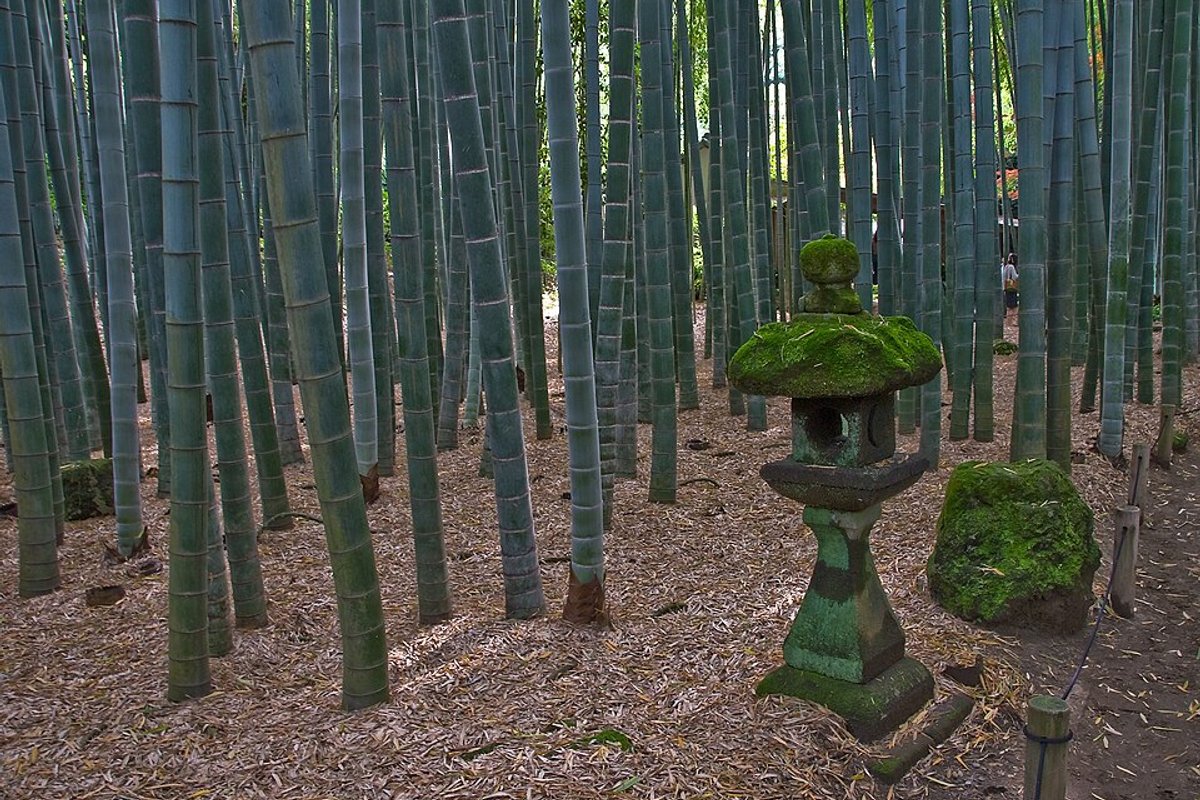
Hokokuji Temple (Bamboo Temple)
報国寺(竹の寺)
Known as the "Bamboo Temple" for its grove of about 2,000 moso bamboo stalks, this Rinzai-sect temple has a teahouse, Kyukoan, tucked at the far end of the grove where visitors can sip matcha in a tranquil setting. One of Kamakura's most photogenic spots, it never fails to impress.
🚶 25 min walk from Kamakura Station
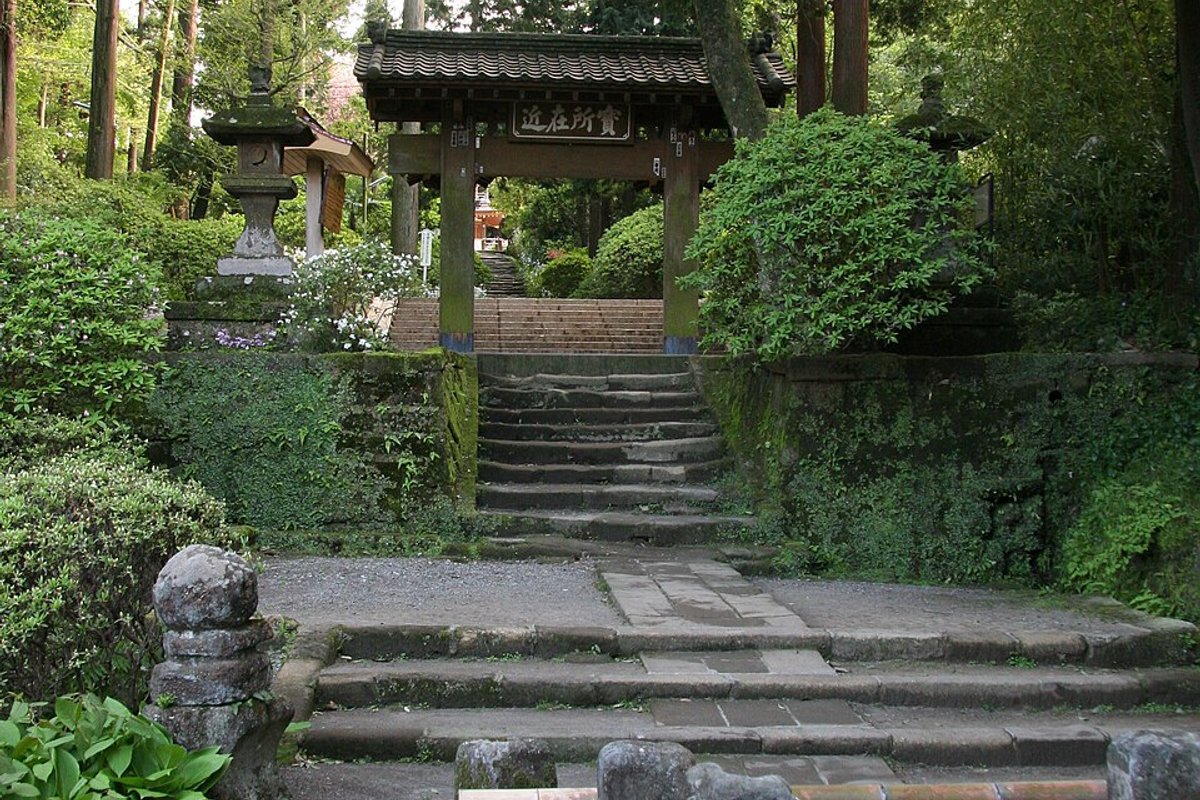
Tokeiji Temple
東慶寺
Known as the "divorce temple" or "refuge temple," this Rinzai-sect convent has deep historical significance as a sanctuary for women. In the Edo period, women seeking to leave their husbands could take refuge here — a historically important site in the story of women's liberation in Japan. The grounds bloom through the seasons with plum, narcissus, iris, and hydrangea, earning it the affectionate title "temple of flowers."
🚶 5 min walk from Kita-Kamakura Station
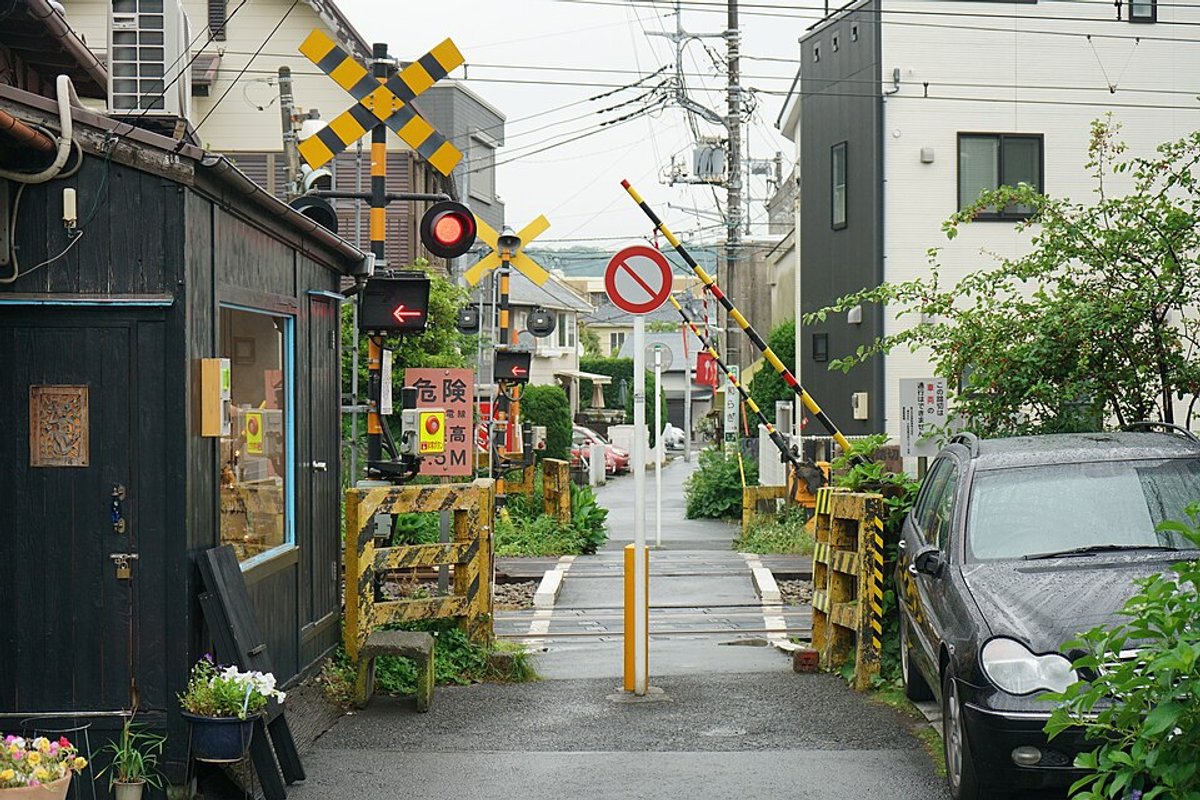
Goryo-jinja Shrine
御霊神社(権五郎神社)
A small shrine standing right alongside the tracks of the Enoshima Electric Railway. The sight of the train passing just beside the torii gate makes it one of Kamakura's most photogenic spots. It enshrines the Heian-period warrior Kamakura Gongoro Kagemasa and is affectionately known locally as "Gongoro-san."
🚶 3 min walk from Hase Station
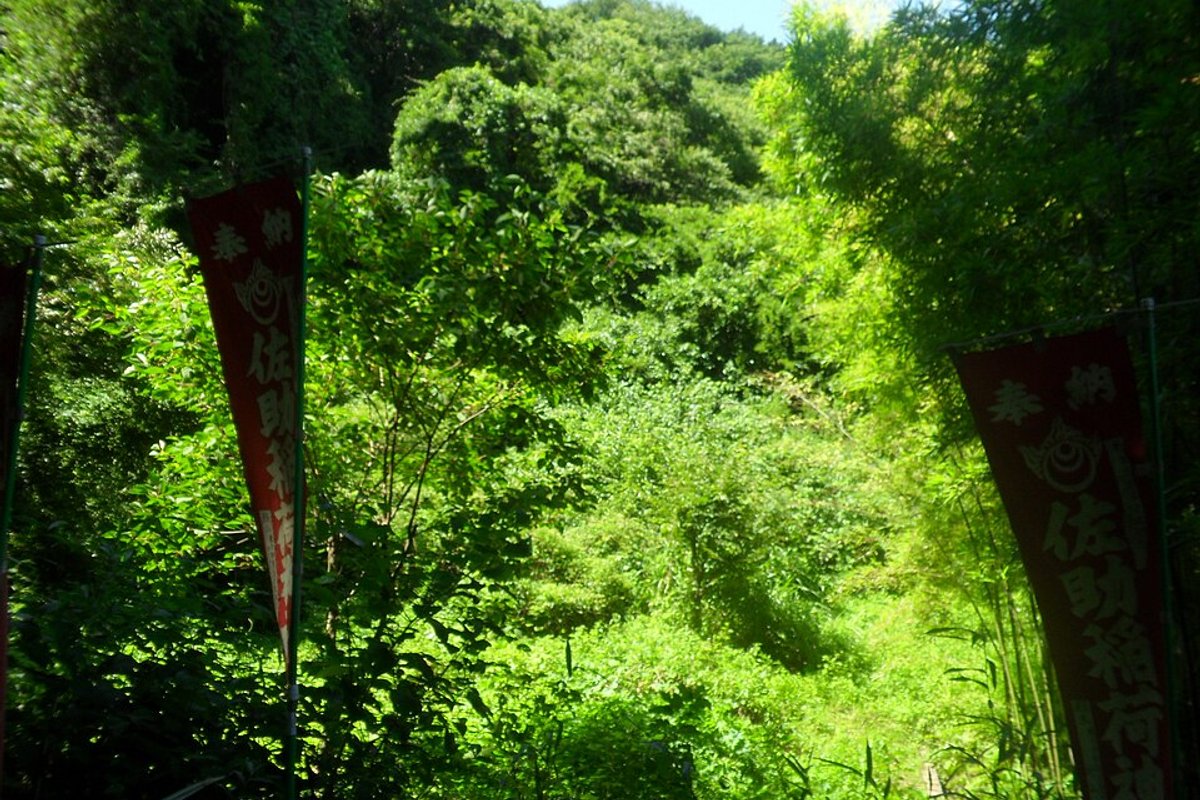
Sasuke Inari Shrine
佐助稲荷神社
An Inari shrine tucked into a hillside wrapped in deep green, along the approach to Zeniarai Benzaiten. A tunnel of vermilion torii gates creates a magical atmosphere. Known as the "Shusse Inari" (Career Success Inari) for a legend of helping Minamoto no Yoritomo achieve his ambitions, it is worshipped for blessings in work and career advancement.
🚶 20 min walk from Kamakura Station
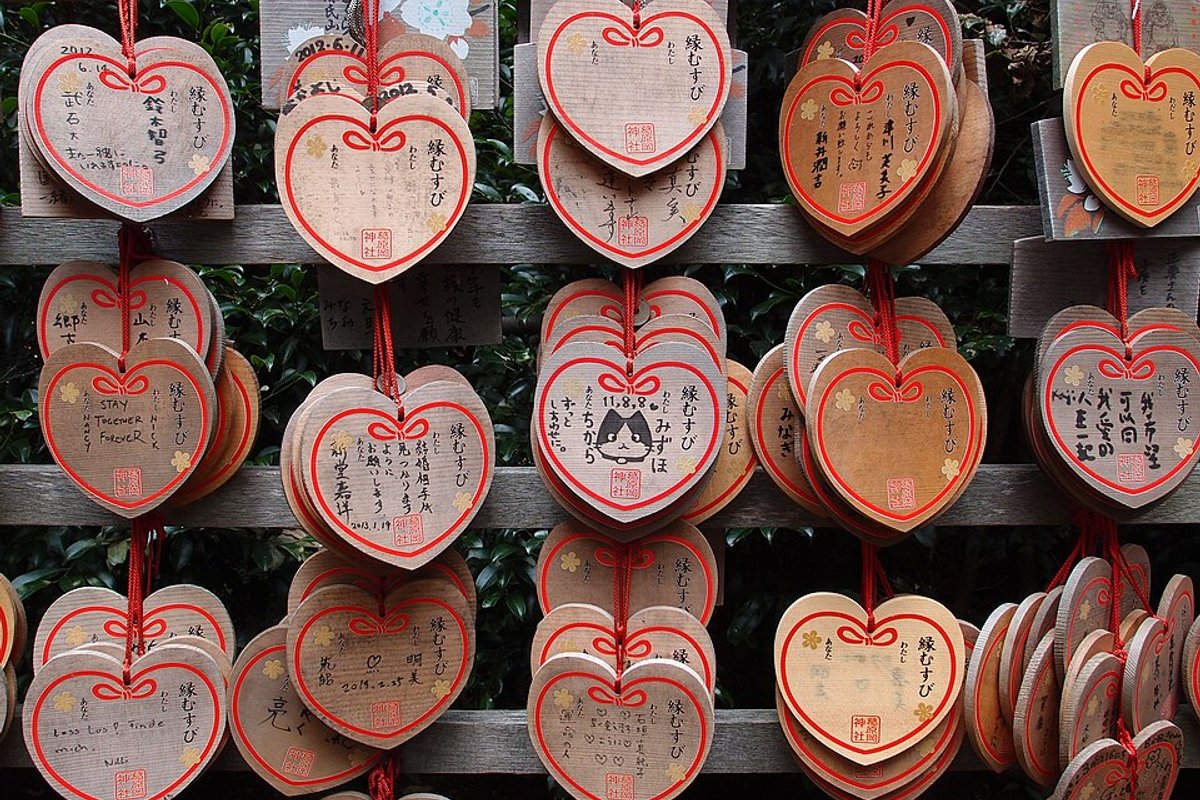
Kuzuharaoka Shrine
葛原岡神社
A shrine within Genjiyama Park, popular especially among women as the "god of matchmaking." Its distinctive style of worship involves touching the "Fuku-ishi" matchmaking stone on the grounds while making a wish. Believed to sever bad relationships and forge good ones, it draws many visitors seeking votive plaques and charms.
🚶 30 min walk from Kamakura Station
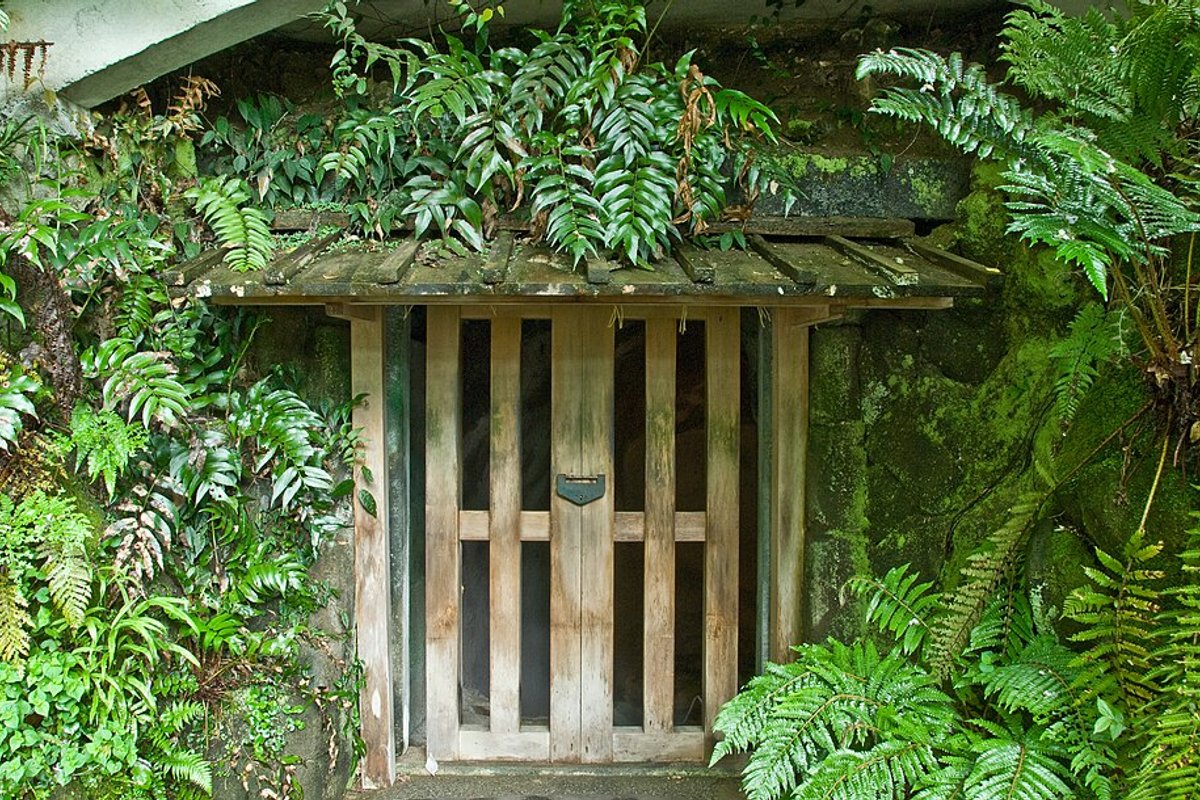
Kamakura-gu Shrine
鎌倉宮
Founded by imperial decree of the Meiji Emperor, this shrine enshrines Prince Moriyoshi, son of Emperor Go-Daigo. Revered by loyalist activists at the end of the Edo period, the shrine still preserves the earthen dungeon where Prince Moriyoshi was imprisoned. It's known for blessings related to victory and warding off misfortune.
🚶 25 min walk from Kamakura Station
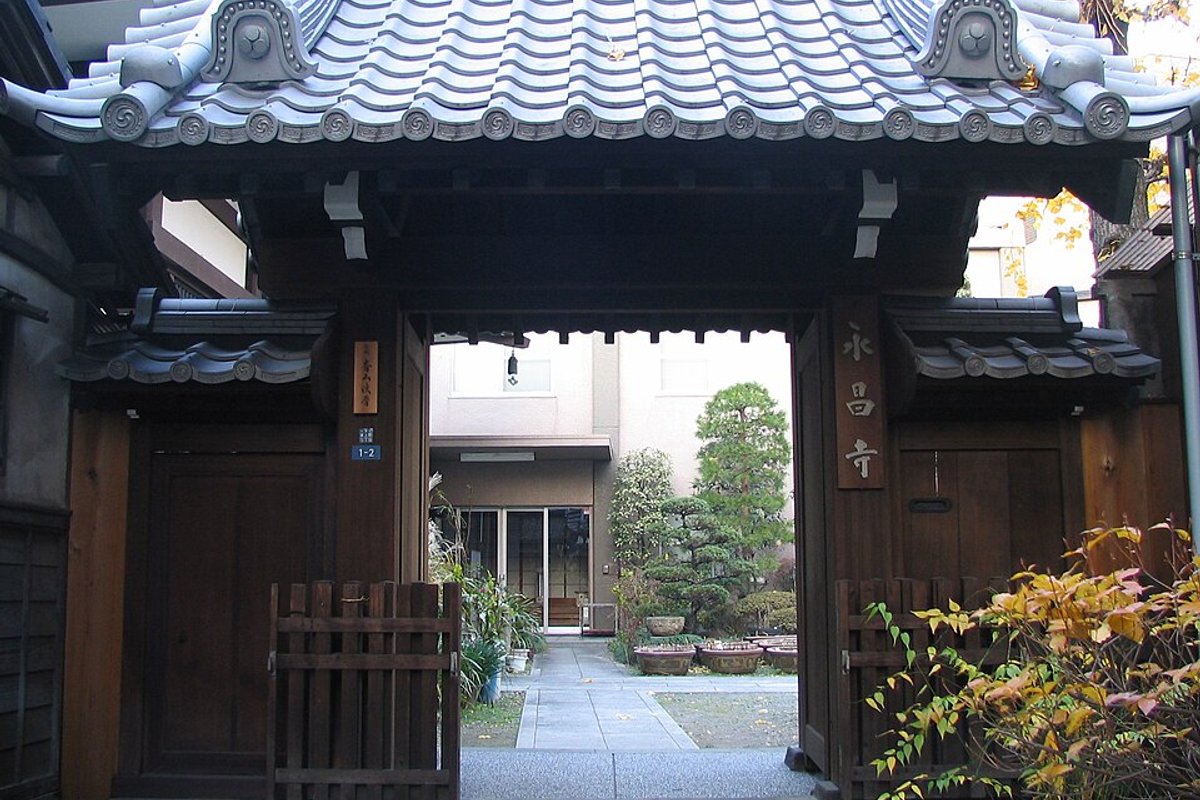
Eishoji Temple
英勝寺
Kamakura's only convent, founded during the Edo period by the Mito Tokugawa family. As a temple with deep ties to the Tokugawa clan, it carries a distinguished air, and its grounds are colored through the seasons by bamboo groves, peonies, bush clover, and cluster amaryllis. Located right next to Jufuku-ji Temple, its quiet grounds are considered something of a hidden gem.
🚶 8 min walk from Kamakura Station
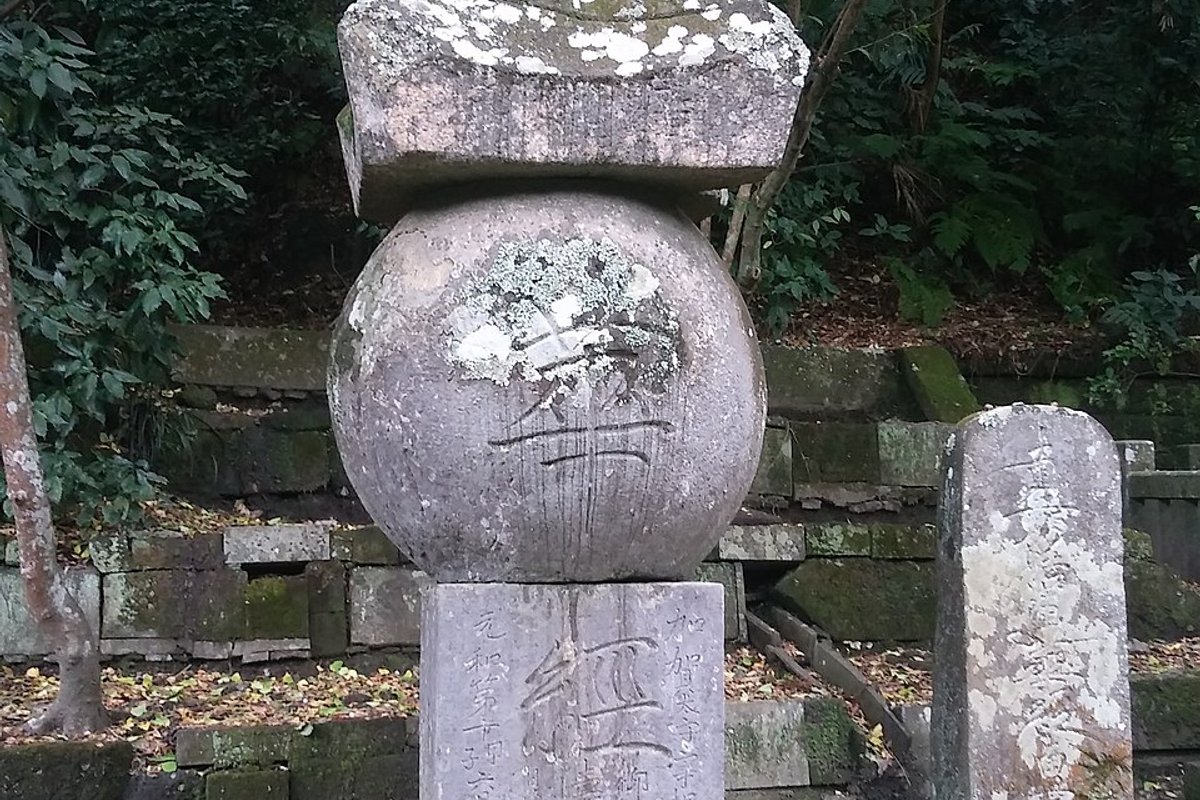
Myohonji Temple
妙本寺
A large Nichiren-sect temple in the Hikigayatsu valley, a 10-minute walk from Kamakura Station. Built on the former residence of the Hiki clan, the temple is notable for its long approach and imposing Nitenmon gate. The spacious grounds offer a relaxed atmosphere for a walk, making this a hidden gem.
🚶 10 min walk from Kamakura Station
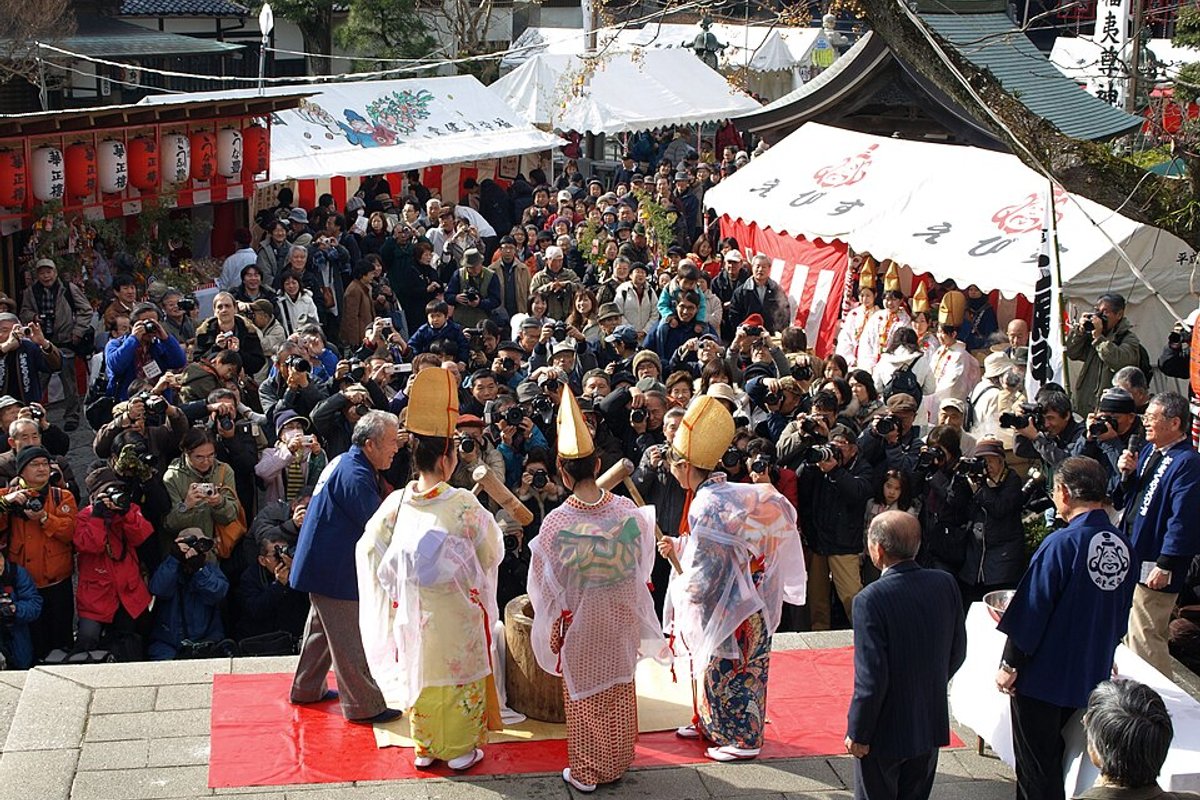
Hongakuji Temple
本覚寺
A Nichiren-sect temple just steps from Kamakura Station, also known as "Higashi-Minobu." Famous for enshrining Ebisu, the temple draws large crowds each January for Hatsu-Ebisu, when visitors seek "kakizarai" rakes for scooping up good fortune. It's a down-to-earth temple where locals come at New Year to pray for business prosperity.
🚶 5 min walk from Kamakura Station
Komyo-ji Temple
光明寺
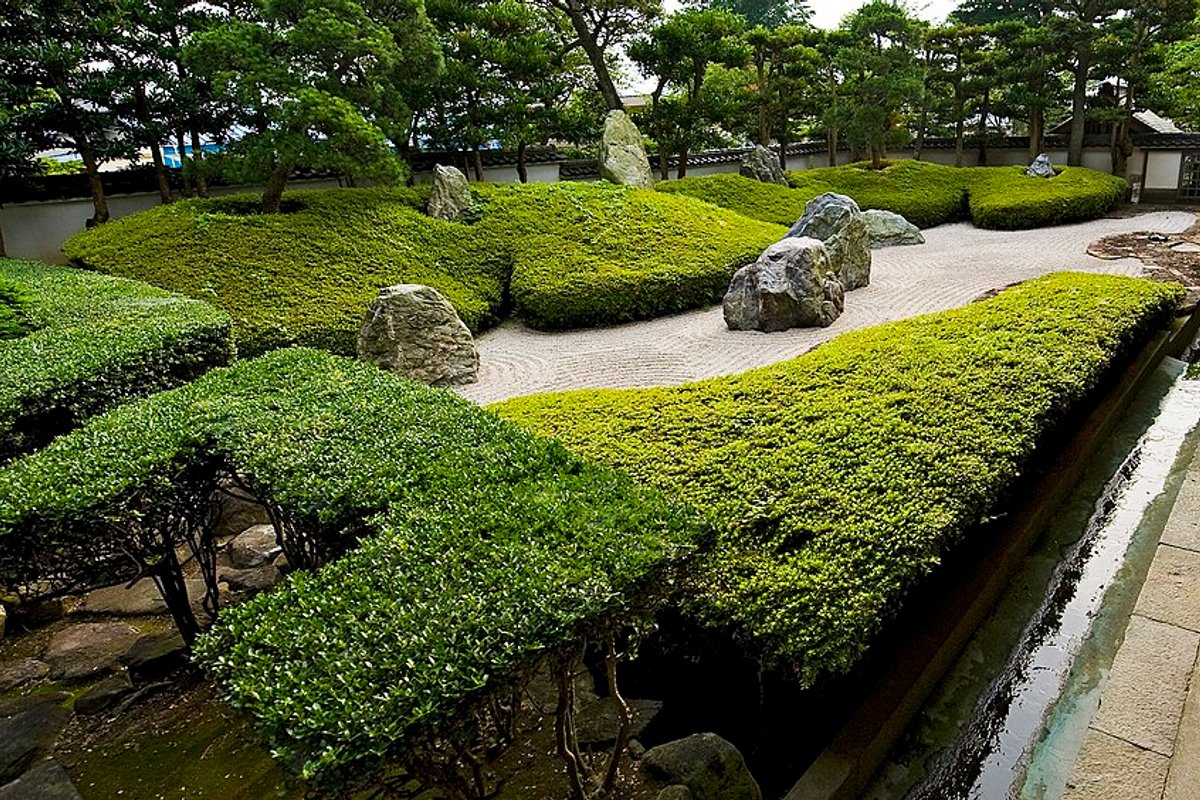
A large Jodo-sect temple near Zaimokuza Beach. Its towering Sammon gate, one of the largest in Kamakura, is truly impressive, and the temple is also known as a "temple of lotuses." The "O-juya" festival held in August is one of Kamakura's three major events, drawing visitors from across Japan. The view from its hilltop overlooking the sea is also spectacular.
🚶 30 min walk from Kamakura Station
Kakuon-ji Temple
覚園寺
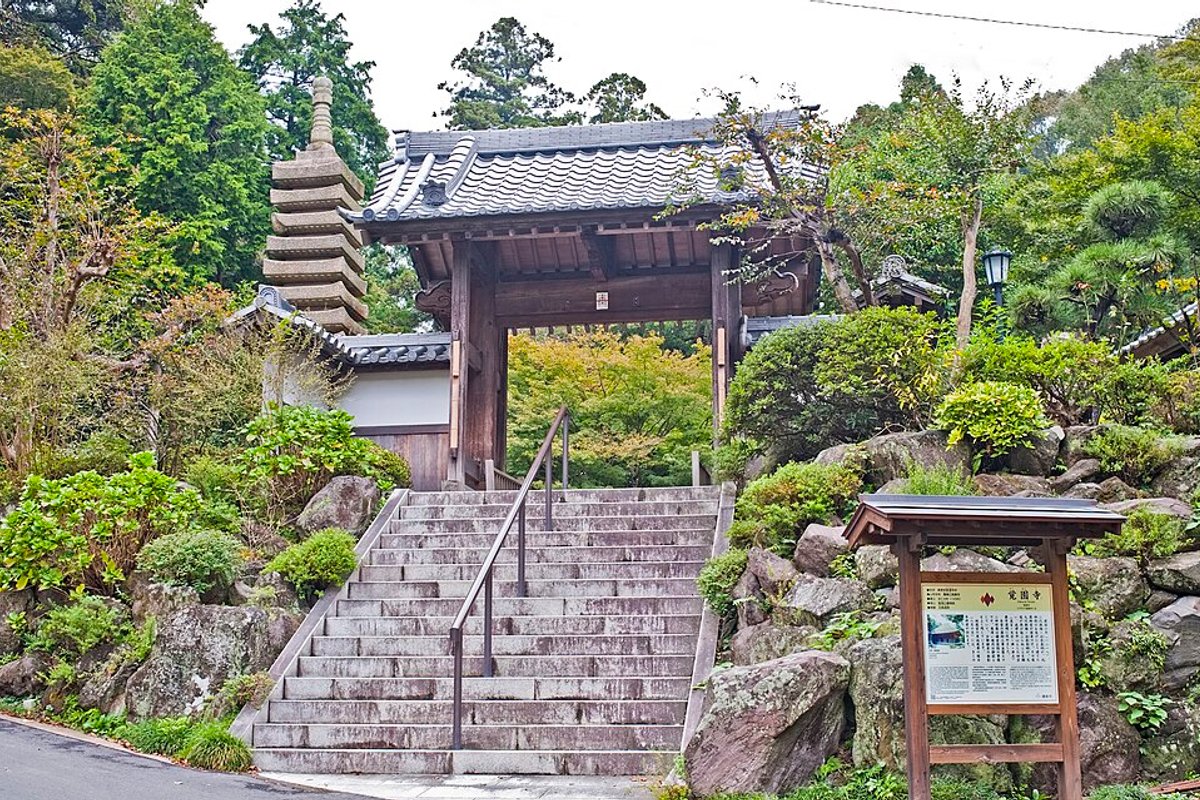
An old Shingon-sect temple tucked in the Nikaido valley (yato). Unusually, photography is prohibited on the grounds, and visits are only possible as part of a guided tour. Known as a temple "where time seems to have stopped" in the Kamakura period, it's immensely popular with history enthusiasts.
🚶 30 min walk from Kamakura Station
Sugimoto-dera Temple
杉本寺
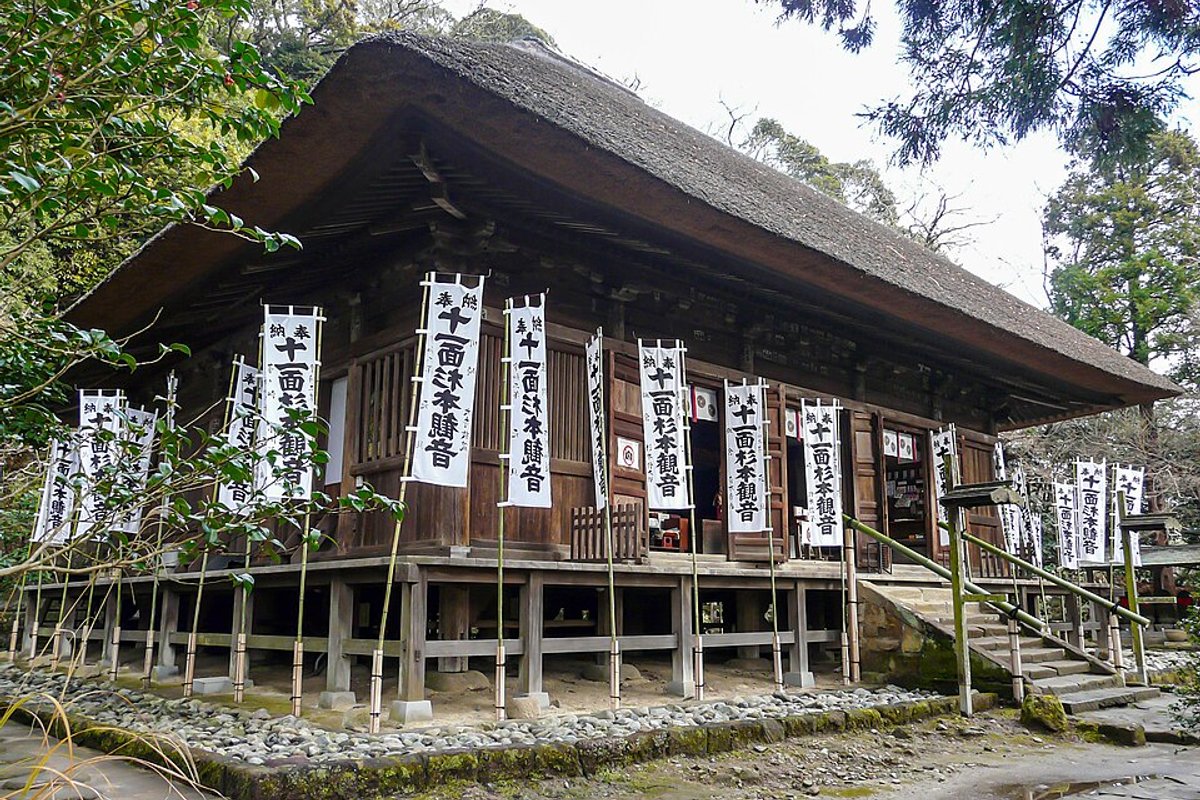
Founded in 734, Sugimoto-dera is Kamakura's oldest temple. Its moss-covered stone steps and main gate give it an overwhelming old-temple charm, and it holds the honor of being the first stop on the Kamakura Thirty-Three Kannon pilgrimage. The steps, worn smooth by generations of visitors, can be slippery, so wear appropriate footwear.
🚶 25 min walk from Kamakura Station
Komachi-dori Street
小町通り
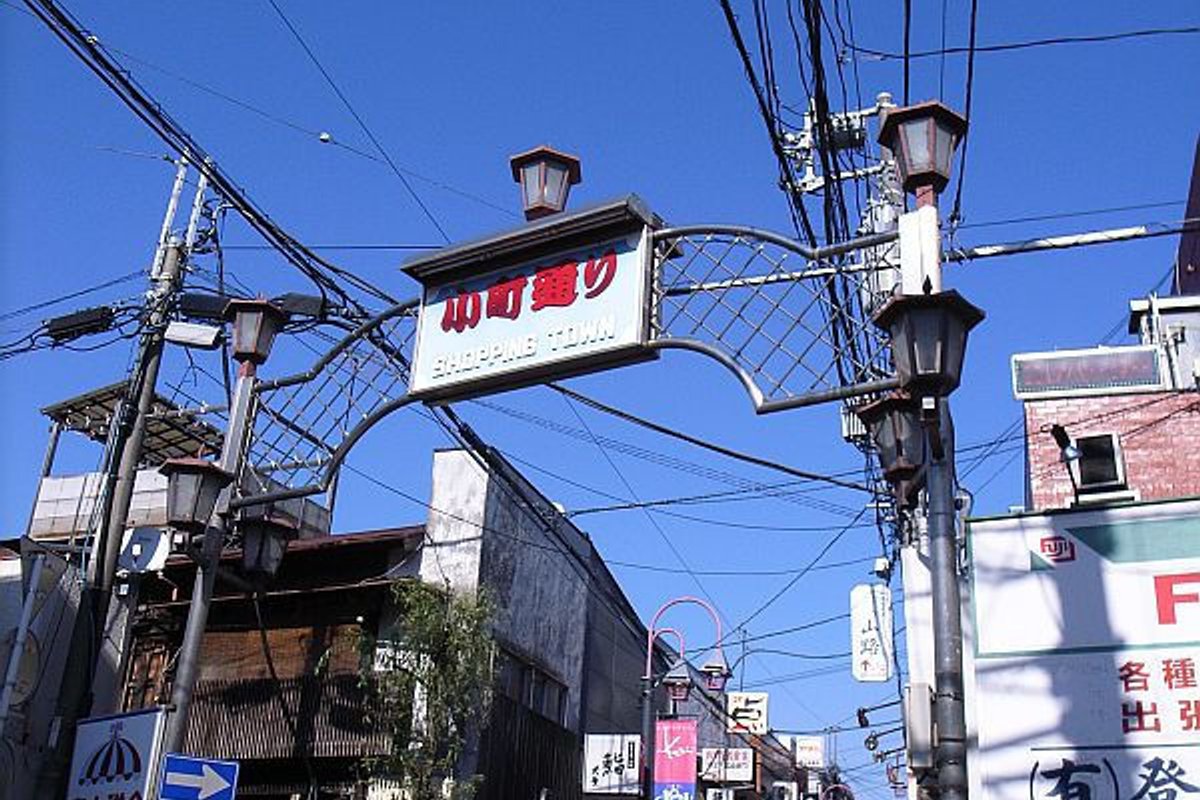
A roughly 360-meter shopping street running from Kamakura Station's east exit toward Tsurugaoka Hachimangu Shrine. Lined with souvenir shops, cafes, restaurants, and boutiques, it's a classic Kamakura sightseeing spot perfect for snacking your way along. It's also a great place to find Kamakura-style sweets and Kamakura-bori lacquerware crafts.
🚶 1 min walk from Kamakura Station (East Exit)
Yuigahama Beach
由比ガ浜
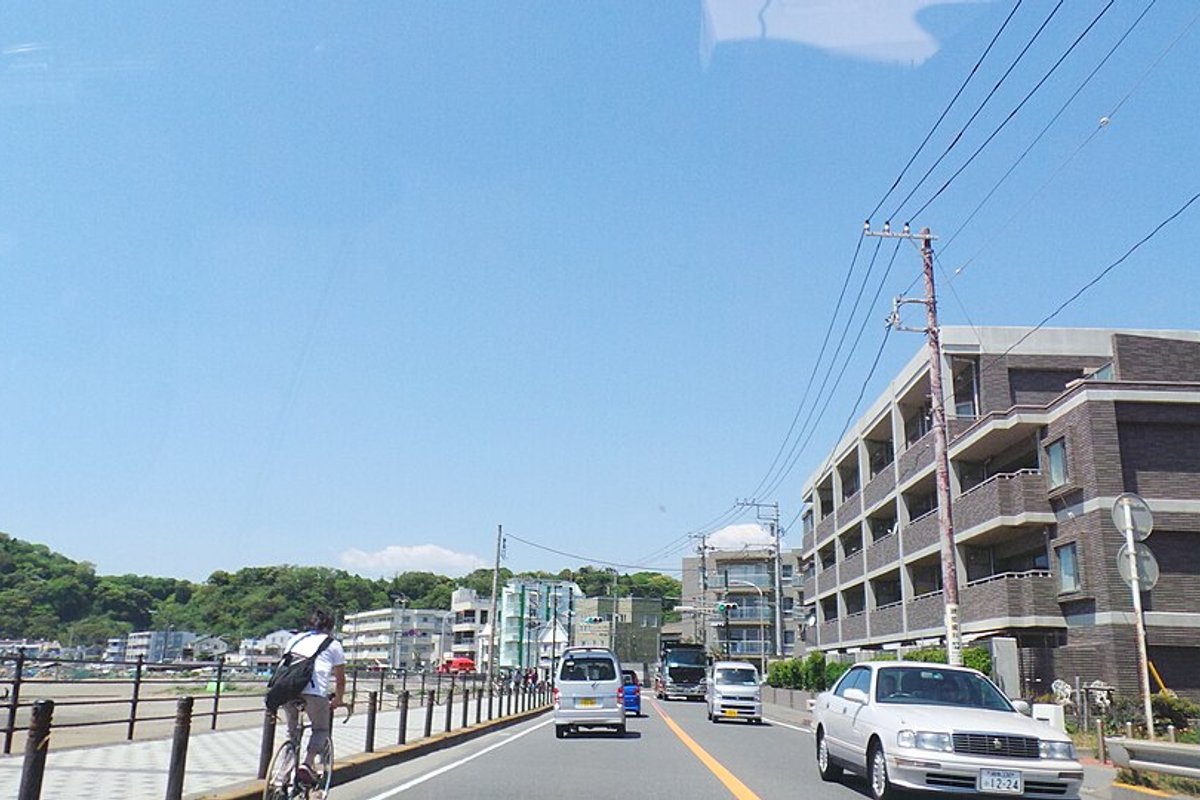
Kamakura's most accessible beach from the city center. Known for its gentle waves and shallow shoreline, it draws large crowds of swimmers in summer. It's also conveniently located right by Yuigahama Station on the Enoden line. The sunset sinking into the horizon here is one of Kamakura's signature views.
🚶 5 min walk from Yuigahama Station
Inamuragasaki Cape
稲村ヶ崎
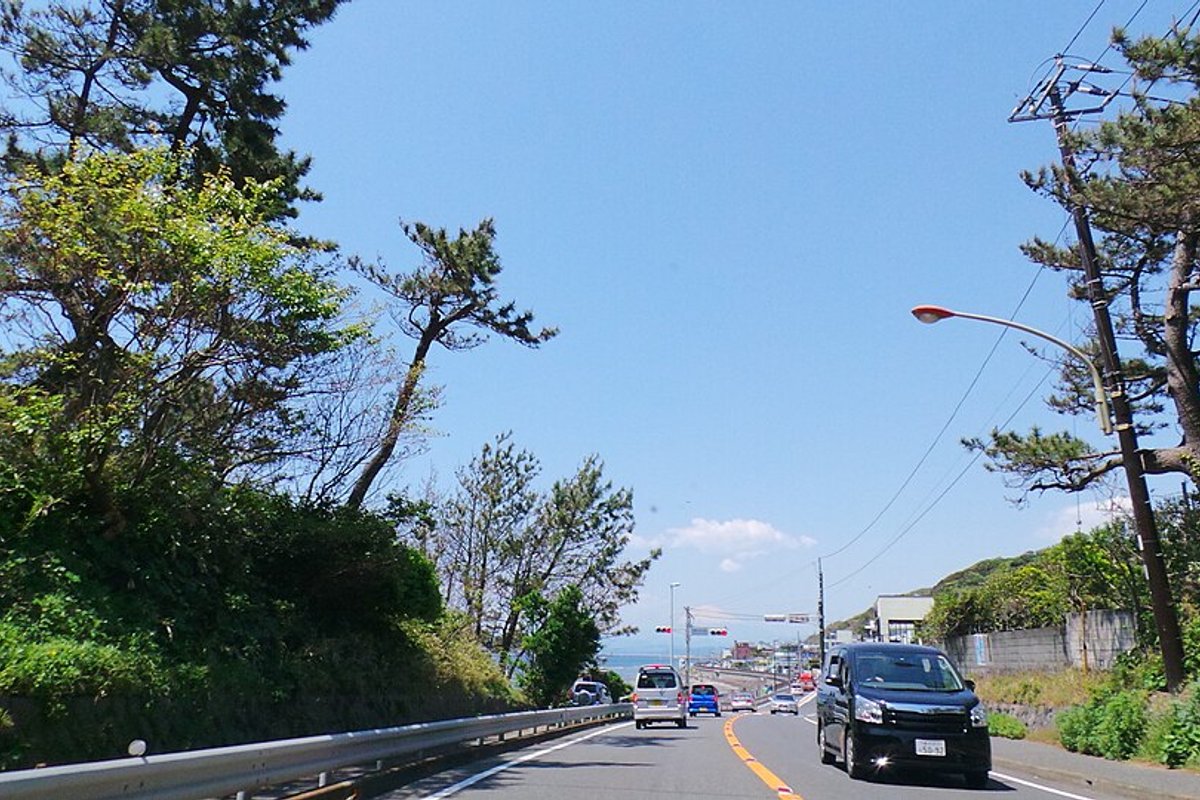
A cape jutting into Sagami Bay, famous as one of Kamakura's best sunset spots. It's also a historic site where Nitta Yoshisada is said to have crossed in 1333 during his assault on Kamakura. Now maintained as a park, it offers a spectacular view of Mount Fuji, Enoshima, and the Miura Peninsula on clear days.
🚶 5 min walk from Inamuragasaki Station
Genjiyama Park
源氏山公園
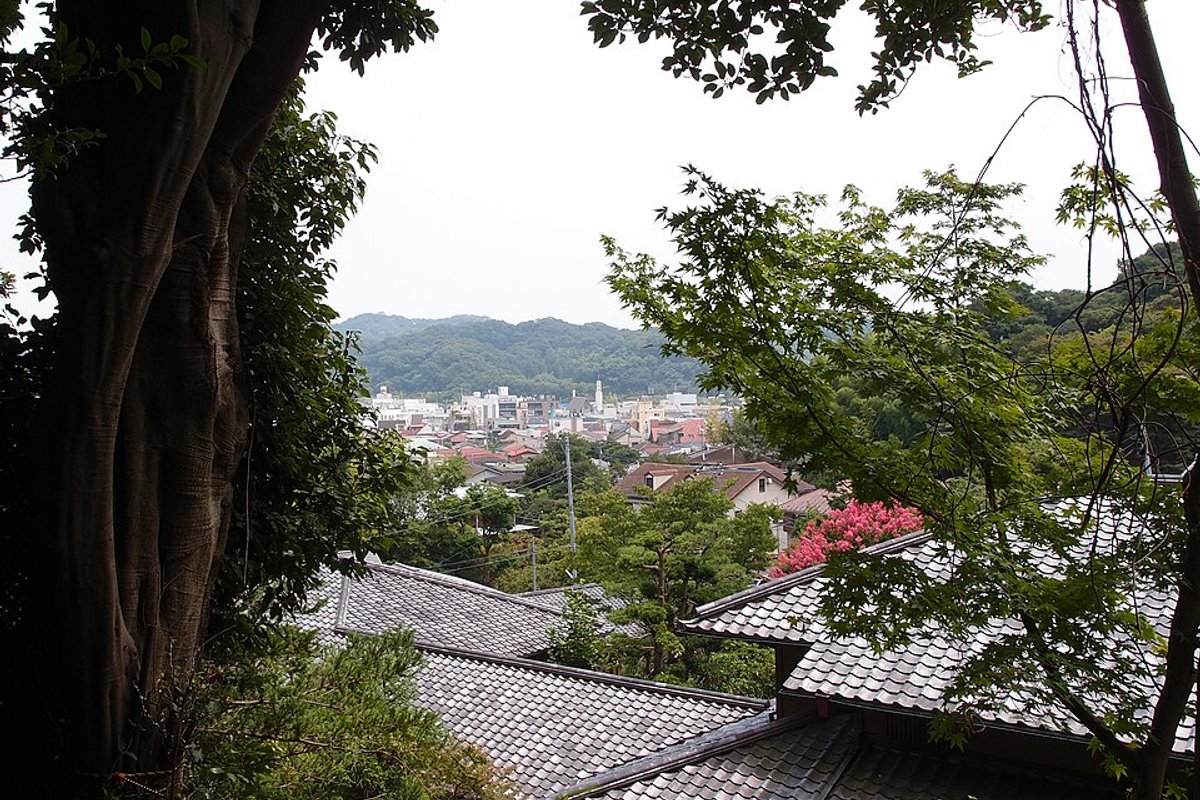
A park developed on a 93-meter hill rising behind central Kamakura, said to be the former site of Minamoto no Yoritomo's Shirahata Castle, and famous as a cherry-blossom spot. It serves as a waypoint on the hiking course from Zeniarai Benzaiten to Kuzuharaoka Shrine, with sweeping views over Kamakura from near the summit.
🚶 30 min walk from Kamakura Station
Kamakura Museum of Literature
鎌倉文学館
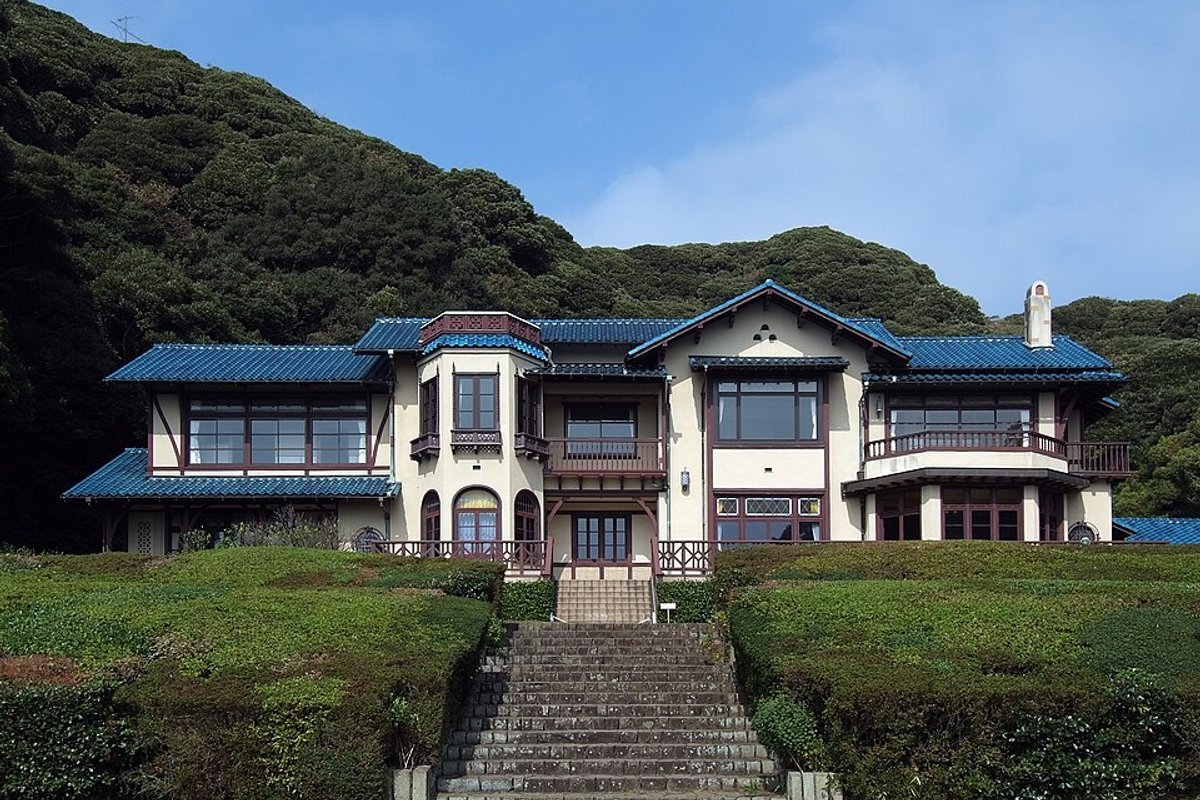
A literature museum housed in a Western-style mansion once used as the villa of the Maeda marquis family. It displays materials related to writers with deep ties to Kamakura, including Yasunari Kawabata, Ryunosuke Akutagawa, and Ton Satomi. The rose garden is famous, with about 250 varieties and 2,500 rose bushes blooming in spring and autumn.
🚶 7 min walk from Yuigahama Station
Enoshima Island
江ノ島
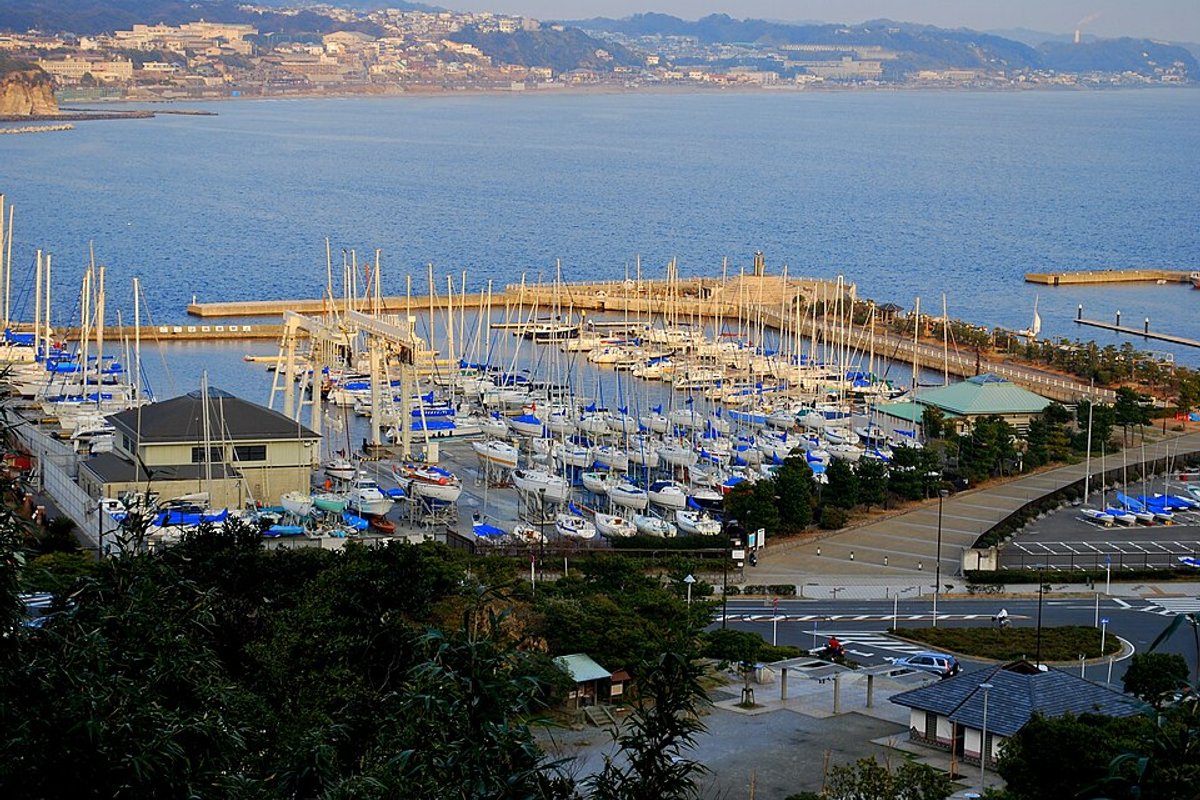
A small island roughly 4 km in circumference floating in Sagami Bay, Enoshima is a classic addition to any Kamakura sightseeing trip. Highlights are packed into a compact area, including Enoshima Shrine, the Iwaya Caves, and the Sea Candle observation tower. Accessible by the Enoshima Electric Railway or the Odakyu Line, it's best explored over half a day to a full day.
🚶 15 min walk from Enoshima Station
Shichirigahama Beach
七里ガ浜
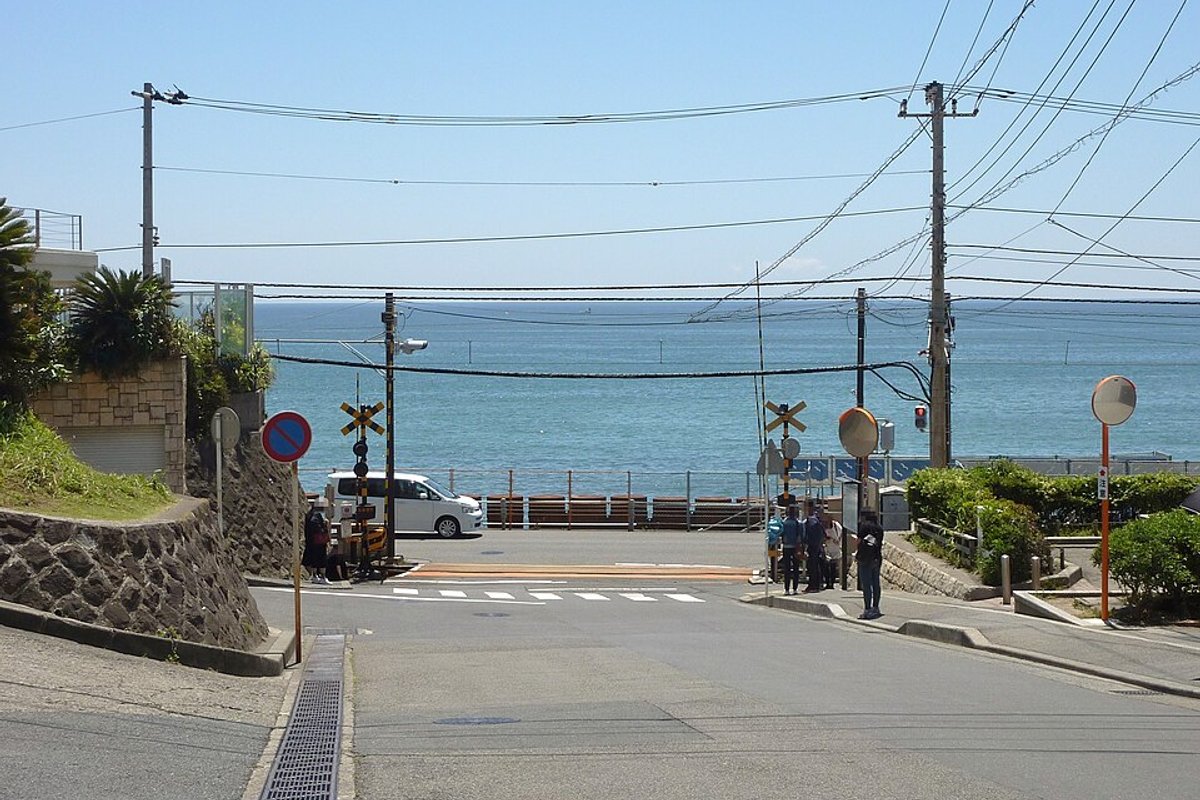
A roughly 3-kilometer arc of sandy beach stretching from Inamuragasaki to Enoshima. Known as a mecca for surfing, surfers can be seen here year-round. The panoramic view of the beach, Mount Fuji, and Enoshima from in front of Shichirigahama Station on the Enoden line is one of Kamakura's signature sights.
🚶 3 min walk from Shichirigahama Station
Kaizo-ji Temple
海蔵寺
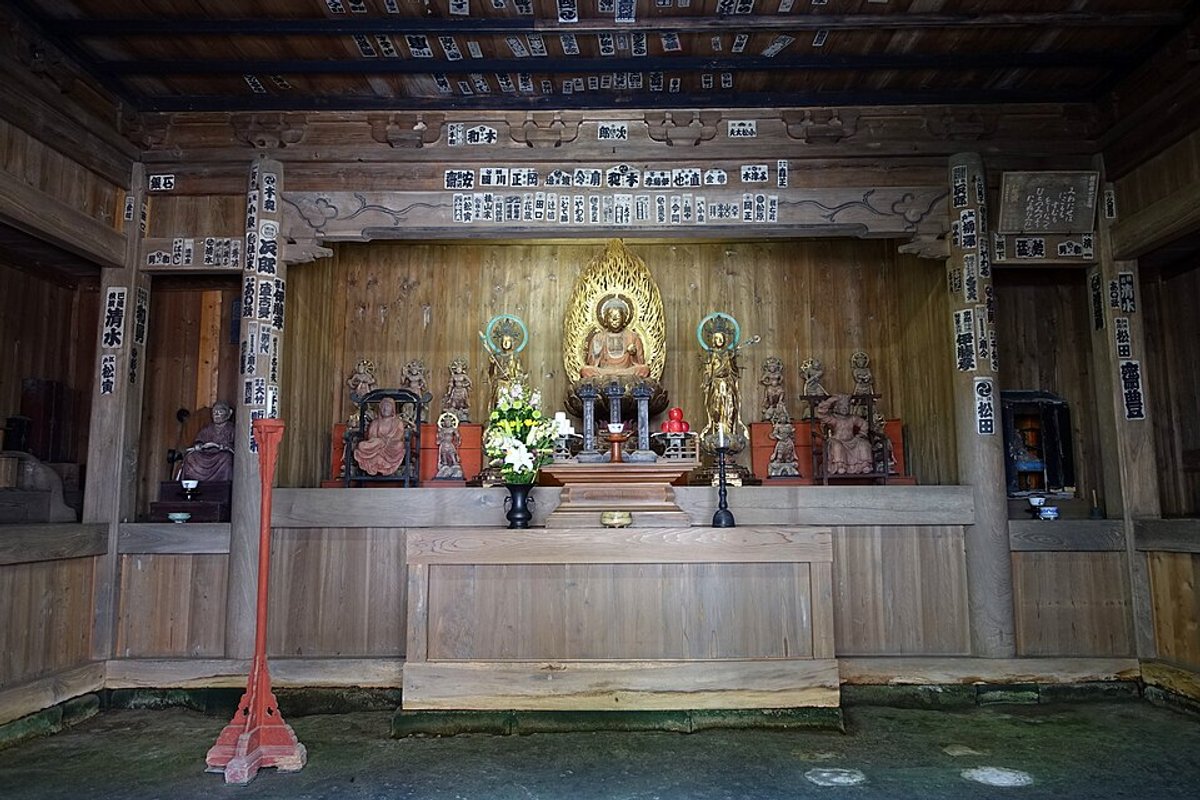
An old Rinzai-sect temple tucked at the end of a quiet valley (yato) in Ogigayatsu. Known as a "temple of flowers" for its beautiful narcissus, bush clover, and cotton rose through the seasons, it also has a mysterious rock cave at the back of the grounds called "Juroku-sei" (Sixteen Wells).
🚶 15 min walk from Kamakura Station
Ankokuronji Temple
安国論寺
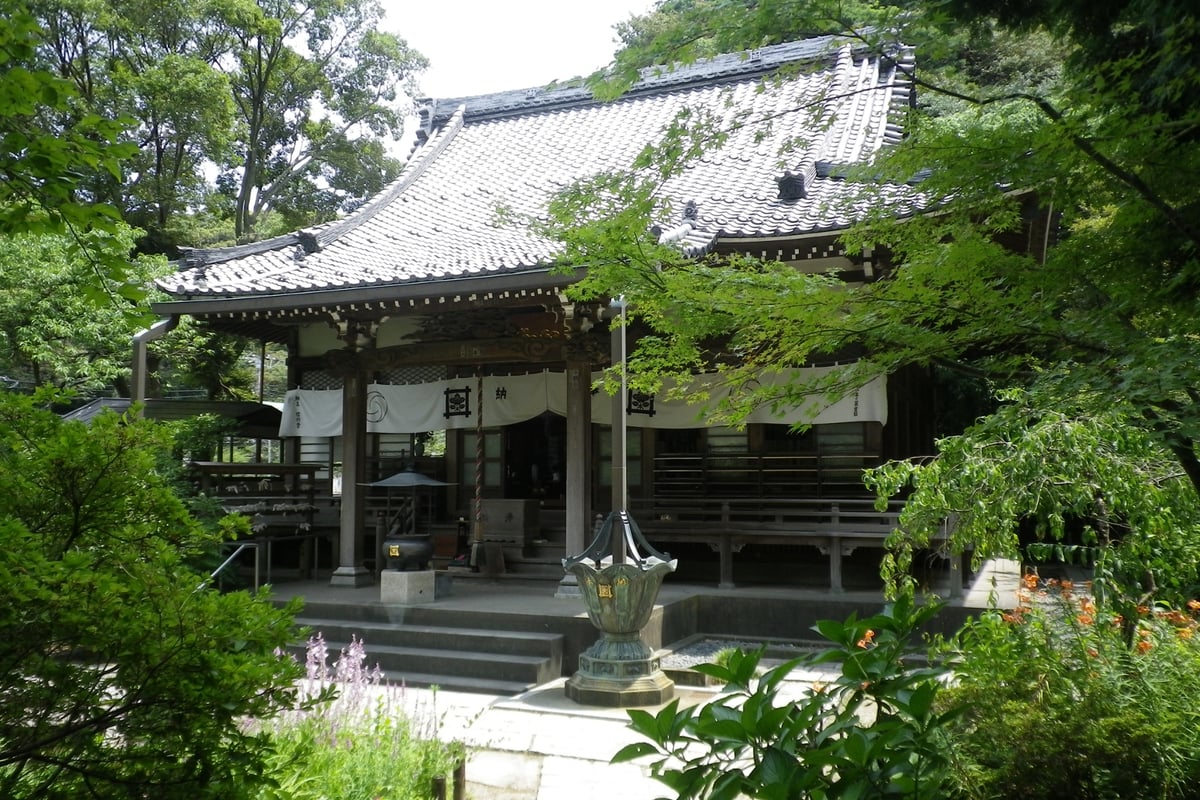
A Nichiren-sect temple built beside the cave where Nichiren is said to have written his treatise "Rissho Ankoku Ron." Known as the site of the Matsubagayatsu Persecution, the hill behind the temple, Fujimidai, offers a sweeping view toward Yuigahama Beach. Seasonal trees such as the Myohozakura cherry and a 350-year-old sasanqua camellia are also highlights.
🚶 20 min walk from Kamakura Station
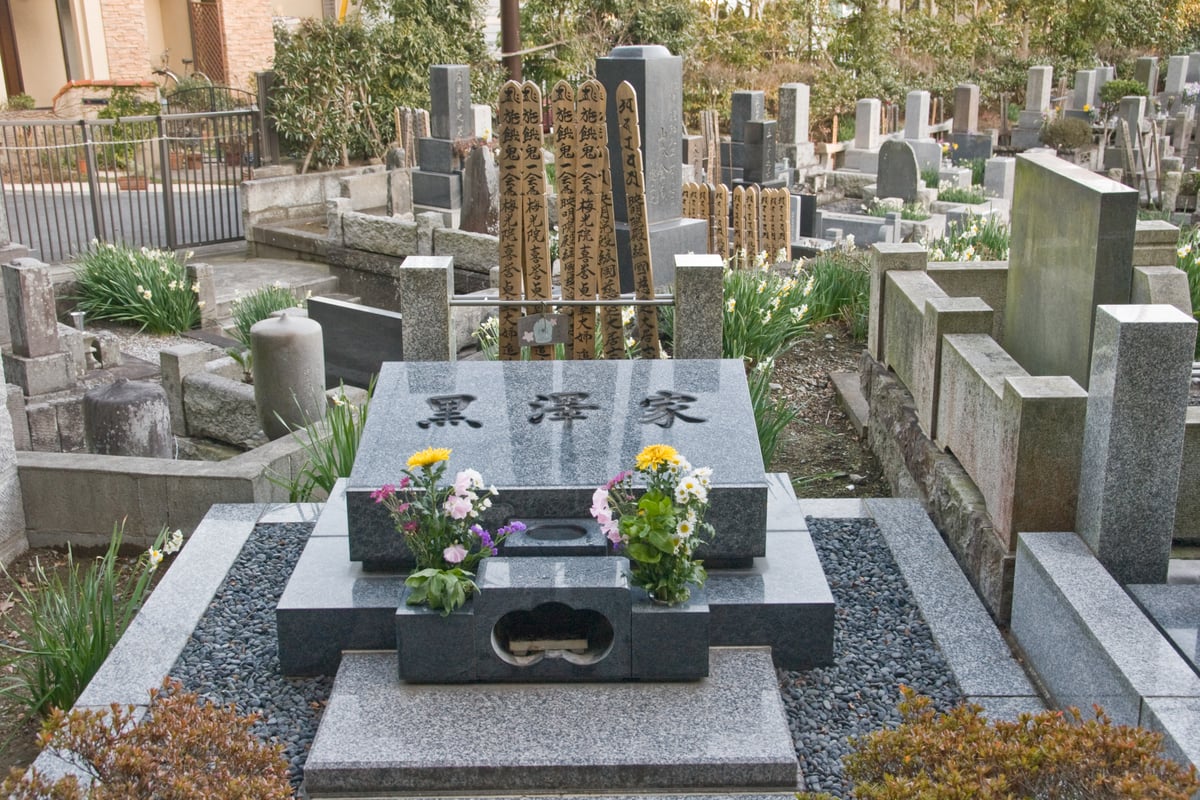
Anyoin Temple
安養院
A Jodo-sect temple said to be connected to Hojo Masako, and one of Kamakura's finest spots for azaleas. About 100 azalea bushes grow on the grounds, including a large specimen nicknamed "Obake Tsutsuji" (the "Ghost Azalea").
🚶 1 min walk from Kamakura Station

Mt. Kinubari Hiking Course
衣張山ハイキングコース
A hiking course through eastern Kamakura, running from the Hokoku-ji area over Mt. Kinubari toward Zushi, offering fine views along the way. From the 121-meter summit, you can see Mount Fuji, Izu Oshima, and the Miura Peninsula — a popular route often combined with Hokoku-ji, famous for its bamboo garden.
🚶 3 min walk from Kamakura Station
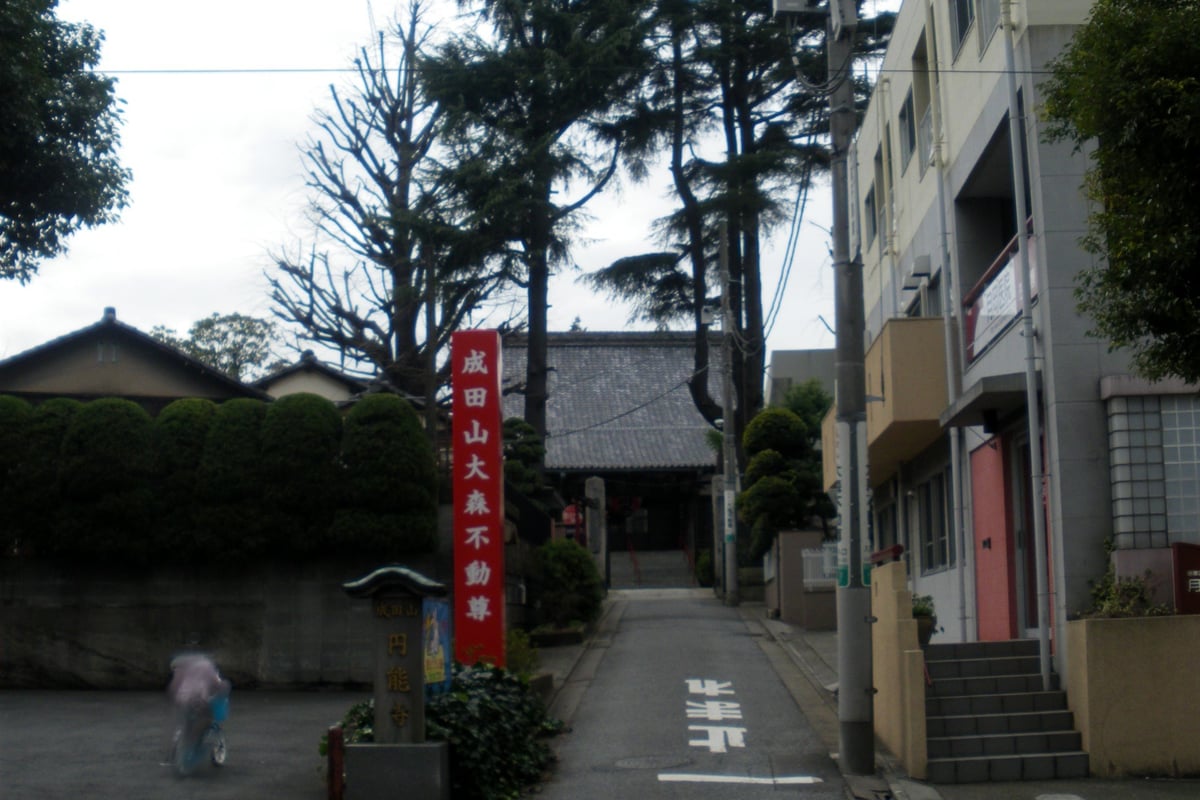
Ennoji Temple
円応寺
Perched on a small rise across from Kencho-ji Temple, this Rinzai-sect temple of the Kenchoji school is known for its seated statue of Enma, the King of Hell, said to date from the Kamakura period, along with its set of "Ten Kings" statues. It's a rare temple where visitors can come face to face with the deities said to judge souls in the afterlife, and is also known as "Arai Enma-do" or "Juo-do."
🚶 15 min walk from Kita-Kamakura Station
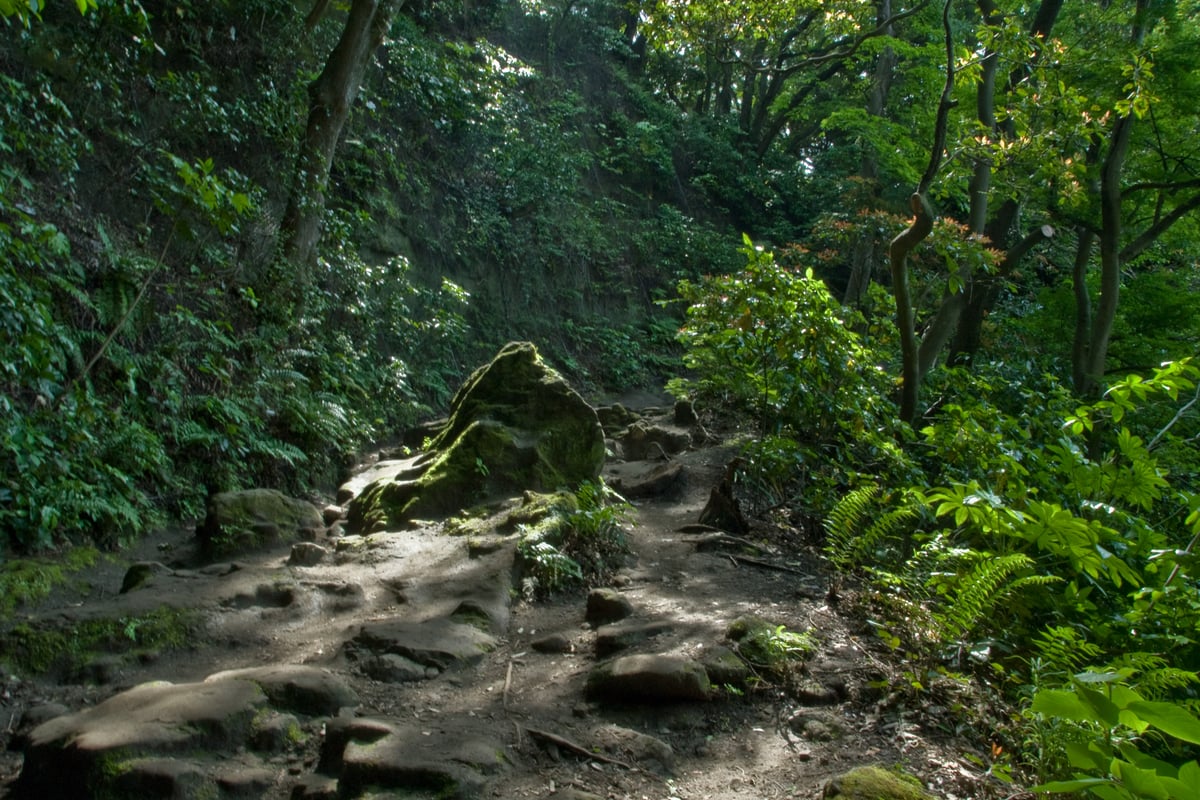
Kewaizaka Kiridoshi
化粧坂切通し
Considered the steepest of the "Seven Entrances of Kamakura," this rocky slope connects Ogigayatsu to Genjiyama Park and Kuzuharaoka Shrine. At the end of the unpaved mountain path awaits a view over Genjiyama Park.
🚶 20 min walk from Kamakura Station
Kamakura Renbai Farmers Market
鎌倉市農協連即売所(レンバイ)
Founded in 1928, this farmers' direct-sales market is a 3-minute walk from Kamakura Station's east exit. Rows of fresh "Kamakura vegetables" grown by local farmers draw everyone from top chefs to tourists — a morning-market-style spot that sustains Kamakura's food culture.
🚶 3 min walk from Kamakura Station
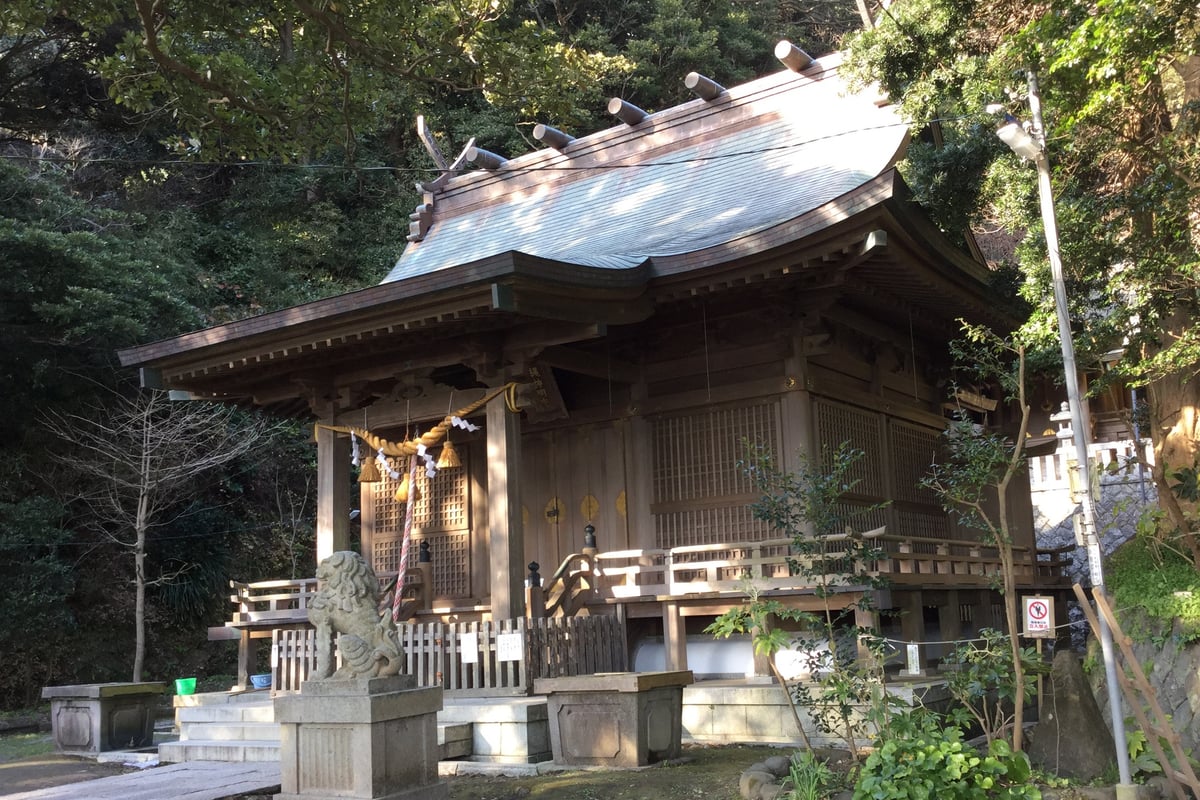
Amanawa Shinmei Shrine
甘縄神明神社
Said to have been founded in 710, this is considered the oldest shrine in Kamakura. It was devoutly worshipped by the Kamakura samurai clans, including Minamoto no Yoritomo, Hojo Masako, and Minamoto no Sanetomo, and its hilltop grounds look out over Yuigahama Beach. It's close to Hasedera Temple and the Great Buddha, making it easy to fit into a Hase-area walking route.
🚶 5 min walk from Hase Station
Kyoonji Temple
教恩寺
The 12th temple on the Kamakura Thirty-Three Kannon pilgrimage, belonging to the Ji sect. Its principal Amida Nyorai statue is traditionally attributed to the sculptor Unkei. Despite being within walking distance of Kamakura Station, it sees few visitors, making it a small temple where you can worship in quiet.
🚶 8 min walk from Kamakura Station
Onaridori Street
御成通り
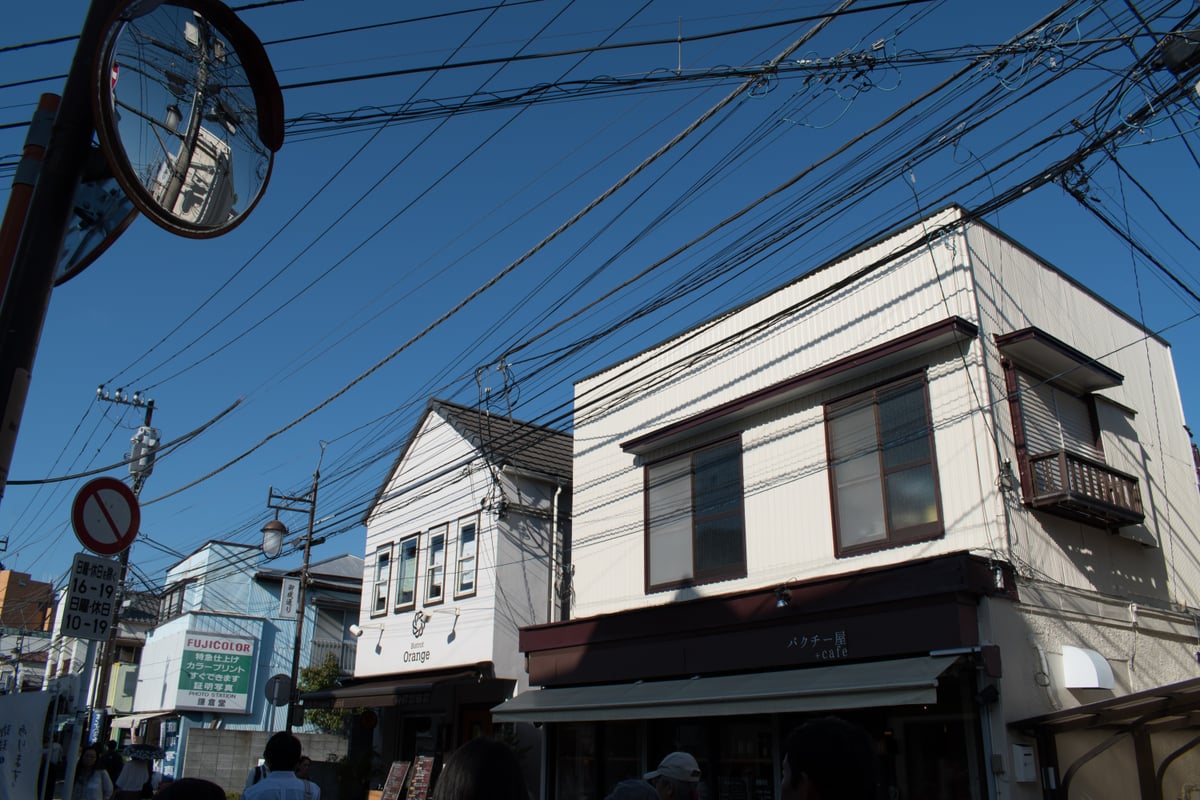
A shopping street running about 300 meters south from Kamakura Station's west exit. In contrast to the tourist-oriented Komachi-dori, it retains a Showa-era, everyday local atmosphere, and has recently gained a following as "Ura-Kama" ("Behind Kamakura"), known for its hidden-gem cafes and boutiques.
🚶 1 min walk from Kamakura Station
Kosokuji Temple
光触寺
A Ji-sect temple founded in 1278. Known for its principal image, the "Cheek-Burned Amida," and the "Salt-Licking Jizo" said to lick offerings of salt, this quiet, hidden gem sits along the Kanazawa Kaido road on the way to Asaina Kiridoshi.
🚶 3 min walk from Kamakura Station
Zaimokuza Beach
材木座海岸
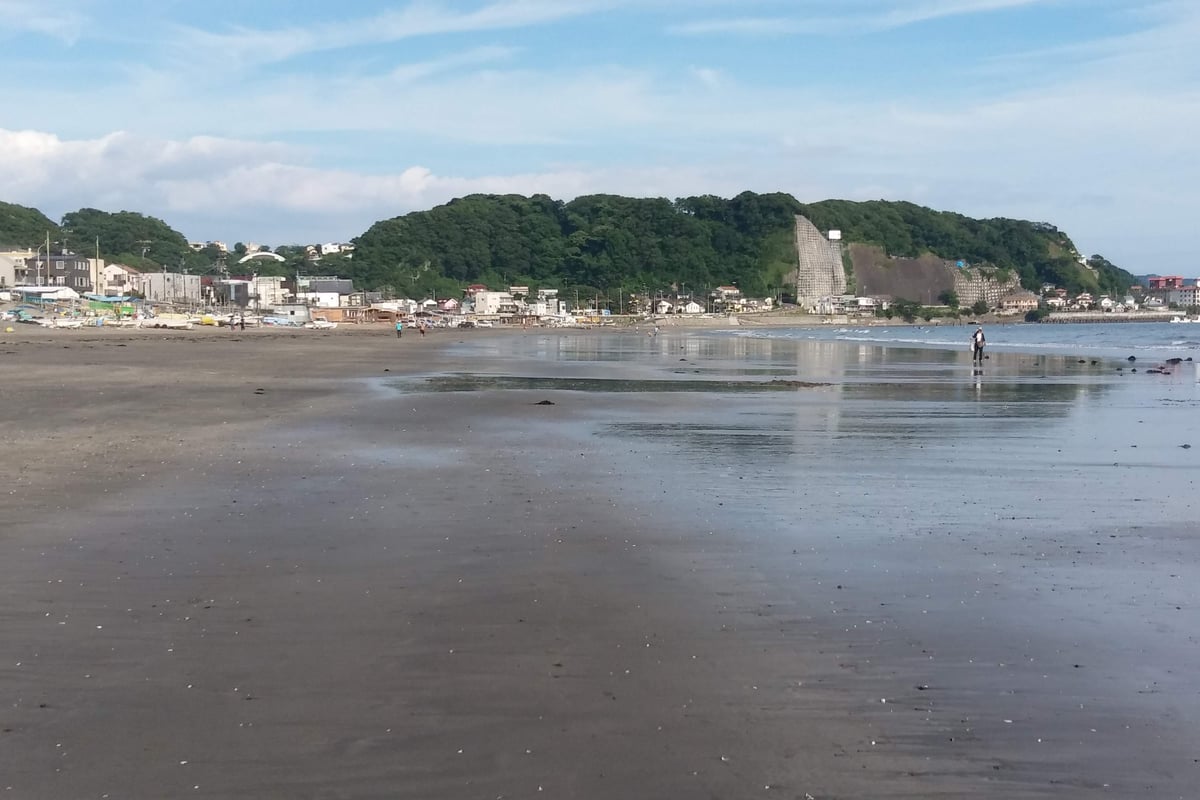
Stretching just east of Yuigahama, this is the longest stretch of sand among Kamakura's swimming beaches. A shallow, calm inlet, it bustles with beach huts in summer, while in other seasons it's a quiet spot for a walk with views of Mount Fuji and the yacht harbor.
🚶 20 min walk from Kamakura Station
Shugenji Temple
収玄寺
A small Nichiren-sect temple standing right beside the road on the way from Hase Station to Hasedera Temple. Built on the former residence of the Kamakura warrior Shijo Kingo, it's a "temple of flowers" where many passersby pause to admire the blooms — an easy stop along a Hase-area walk.
🚶 1 min walk from Hase Station
Jokomyoji Temple
浄光明寺
A Shingon-sect temple of the Sennyuji school connected to Ashikaga Takauji. Its storehouse holds a nationally designated Important Cultural Property, a triad of Amida statues, and the temple sits in a quiet valley in Ogigayatsu, retaining the un-touristy stillness that defines Kamakura at its best.
🚶 15 min walk from Kamakura Station
Daigyoji Temple
大巧寺
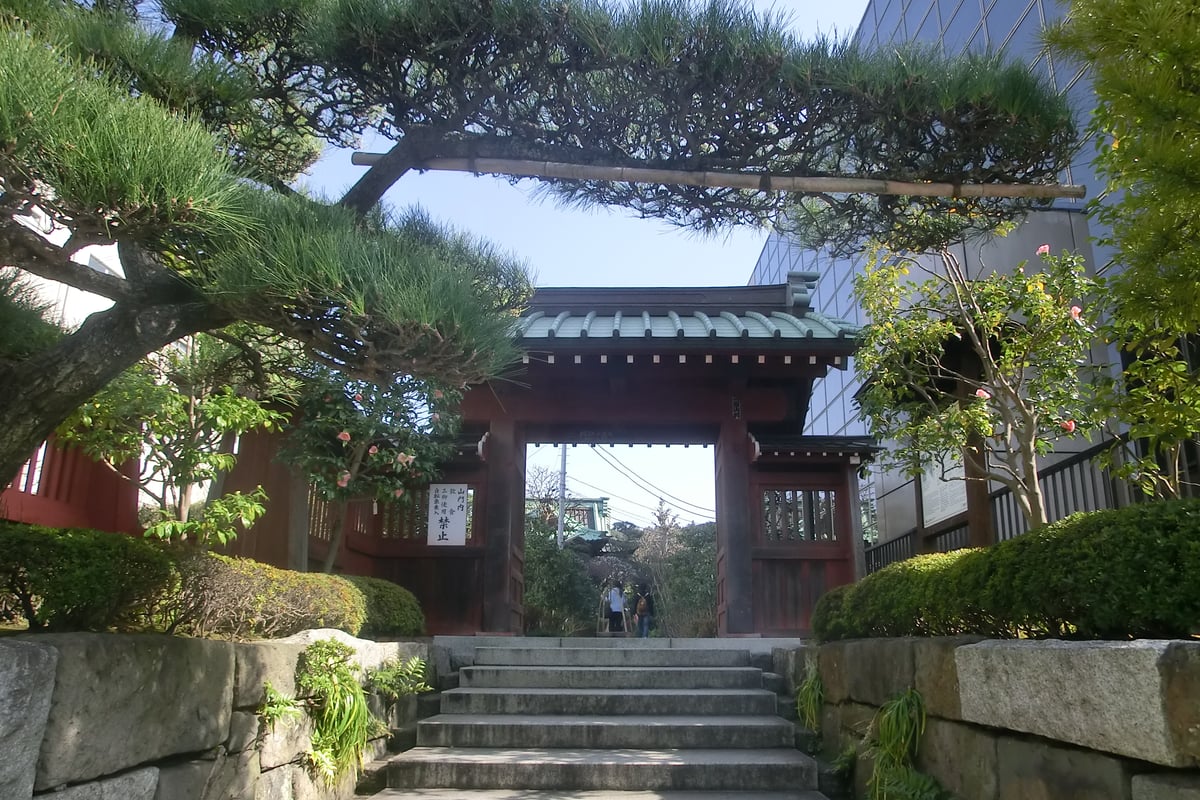
Just a 3-minute walk from Kamakura Station's east exit, this is one of the closest temples to the station. Known as a temple for safe childbirth, it is affectionately called "Onme-sama" and continues to draw expectant mothers from across Japan seeking protective charms.
🚶 3 min walk from Kamakura Station
Dankazura (Wakamiya Oji Avenue)
段葛(若宮大路)
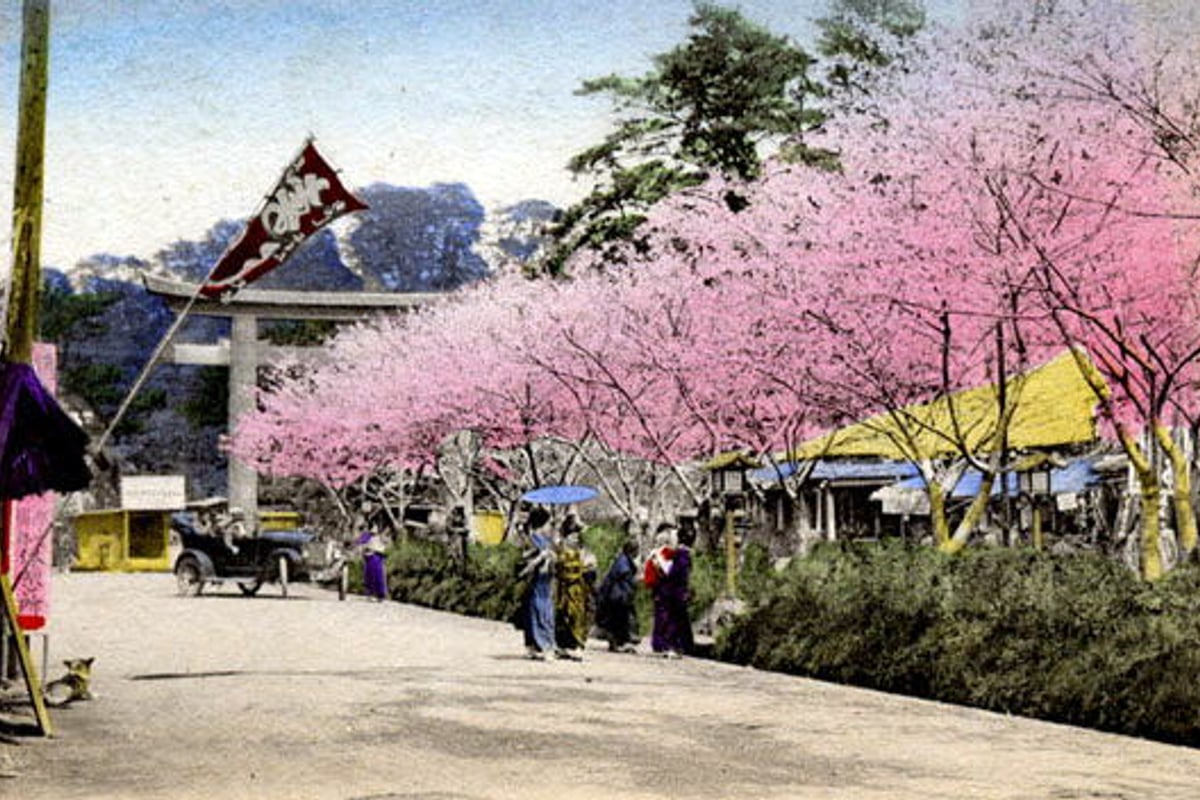
A roughly 500-meter raised section of Wakamiya Oji Avenue, the approach to Tsurugaoka Hachimangu Shrine, running from the second torii gate to the third. Lined with about 170 cherry trees, it is recognized as one of Japan's "100 Best Roads" and is said to have been built by Minamoto no Yoritomo to pray for his wife Masako's safe childbirth.
🚶 3 min walk from Kamakura Station
Asaina Kiridoshi
朝比奈切通し
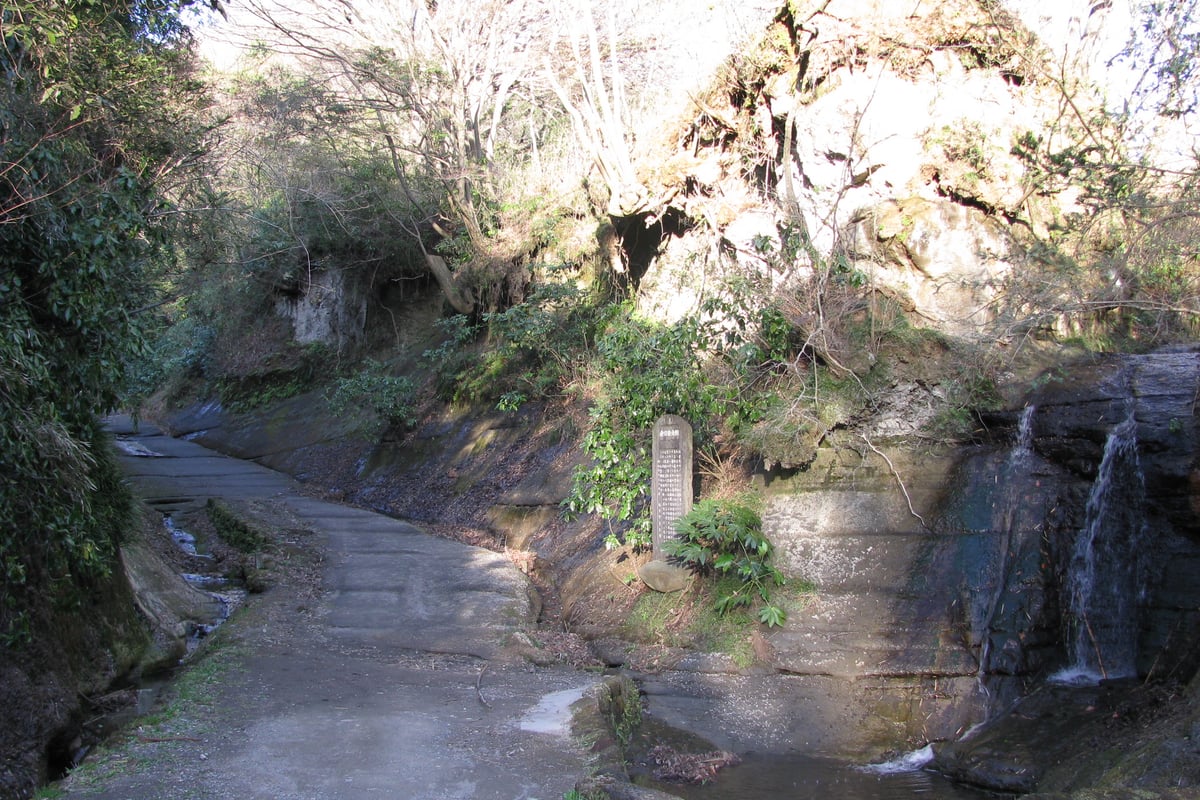
One of the "Seven Entrances of Kamakura," said to have been developed under the direction of Hojo Yasutoki, the third regent of the Kamakura shogunate. This mountain pass connects Junisho in Kamakura with Kanazawa Ward in Yokohama, and its moss-covered rock walls and babbling stream make it one of the most rugged, deeply wooded old roads in Kamakura.
🚶 25 min walk from Kamakura Station
Tenen Hiking Course
天園ハイキングコース
Kamakura's premier full-scale hiking course, following a ridge often called the "Kamakura Alps." You can enter from either the Zuisenji or Kencho-ji side, and Tengen (Rokkoku Pass) offers sweeping views over central Kamakura and even the Izu Peninsula.
🚶 12 min walk from Kamakura Station
Myohoji Temple
妙法寺
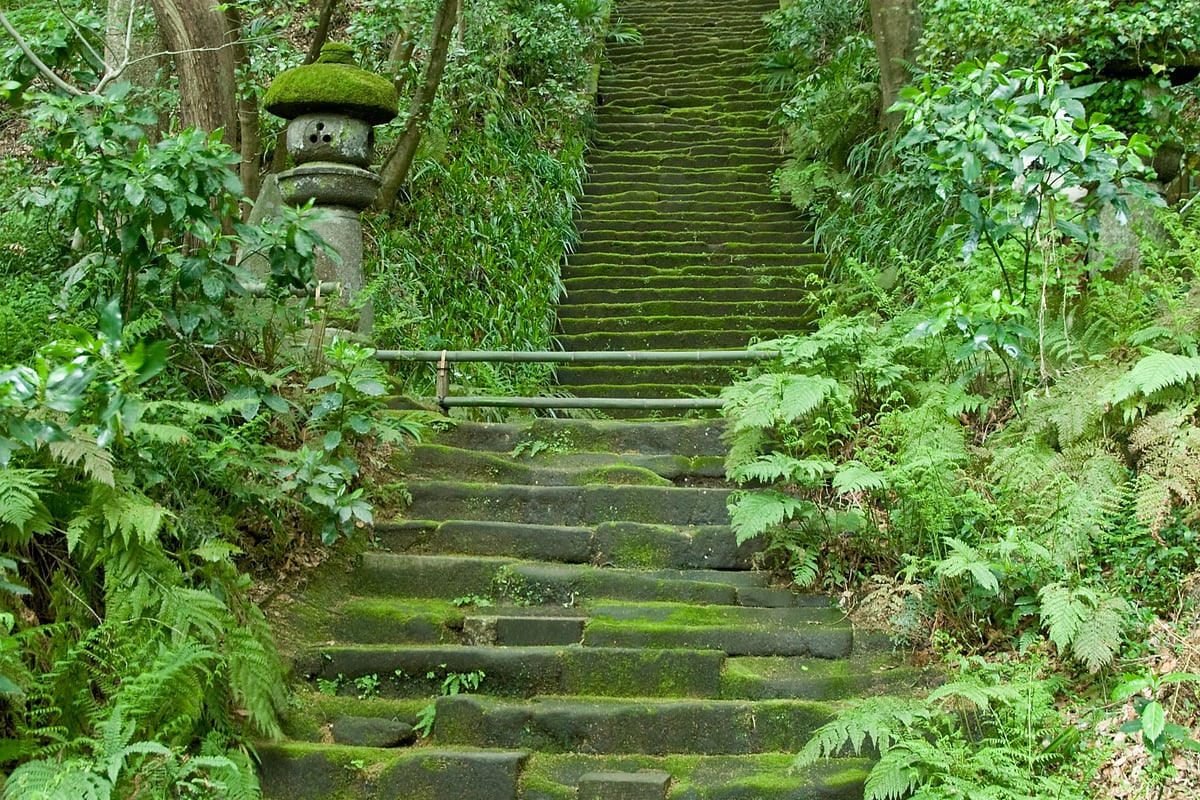
Known as "Kamakura's Moss Temple," this Nichiren-sect temple is famous for the moss-covered stone steps leading from its vermilion-lacquered Nio gate up to the Lotus Hall — a dreamlike scene. Tucked away from the crowds of the main tourist areas, it has a quiet, devoted following as a hidden gem.
🚶 20 min walk from Kamakura Station
Nagoe Kiridoshi
名越切通し
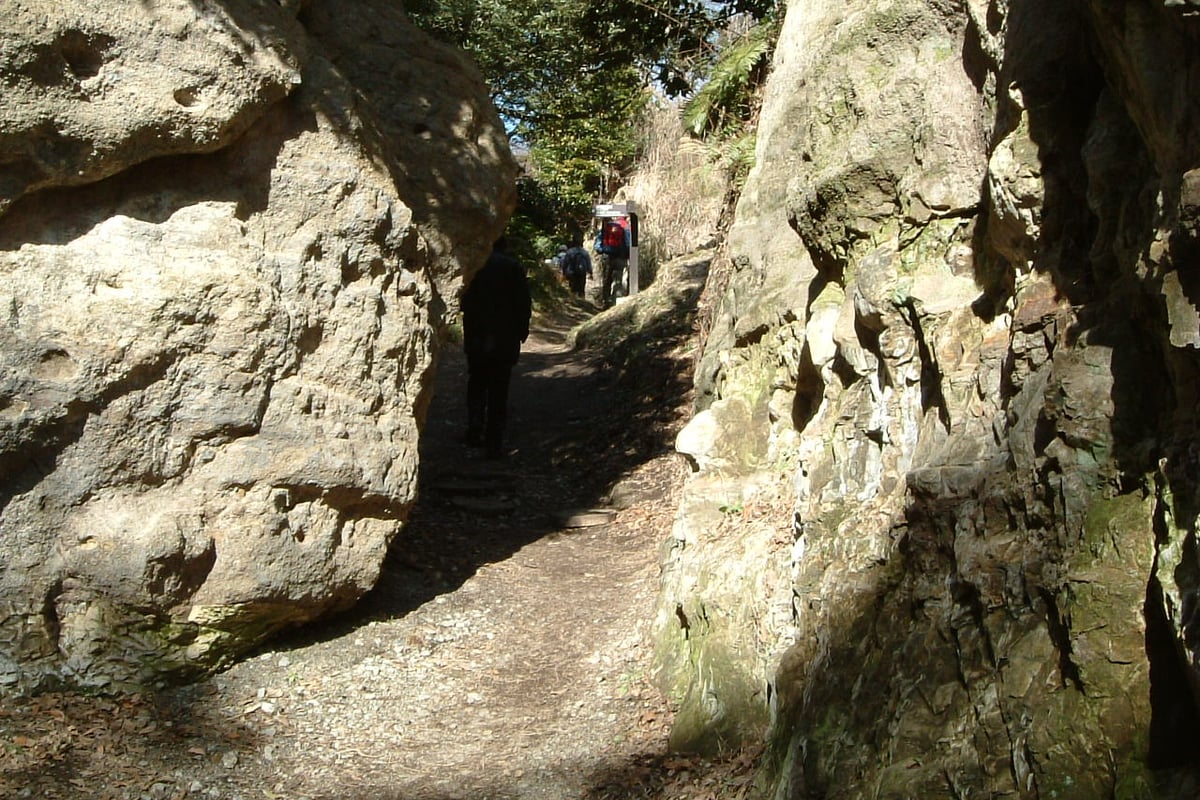
One of the "Seven Entrances of Kamakura" connecting Kamakura with the Miura Peninsula (Zushi), and a nationally designated historic site. Developed as a key route in the early 13th century, this old path is dotted with highlights such as the Mandala-do yagura tomb cluster and the Ogiri-giwa cliff, popular with history buffs and hikers alike.
🚶 8 min walk from Kamakura Station
Yui Wakamiya (Moto-Hachiman)
由比若宮(元八幡)
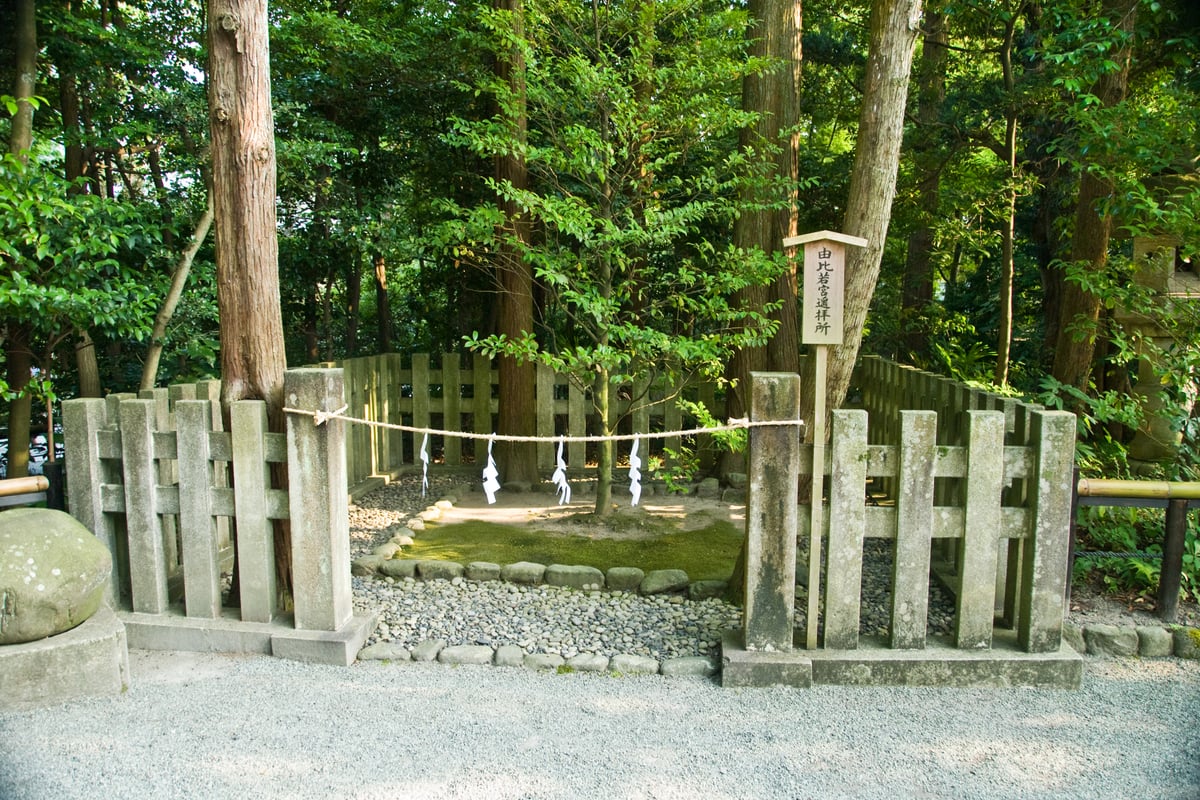
The original shrine from which Tsurugaoka Hachimangu descended. Founded in 1063 when Minamoto no Yoriyoshi, giving thanks for victory in the Former Nine Years' War, invited the deity of Iwashimizu Hachimangu Shrine in Kyoto, this site — also known as "Moto-Hachiman" — can be considered the very starting point of Kamakura's samurai government.
🚶 15 min walk from Kamakura Station
