Hase-dera Temple
長谷寺
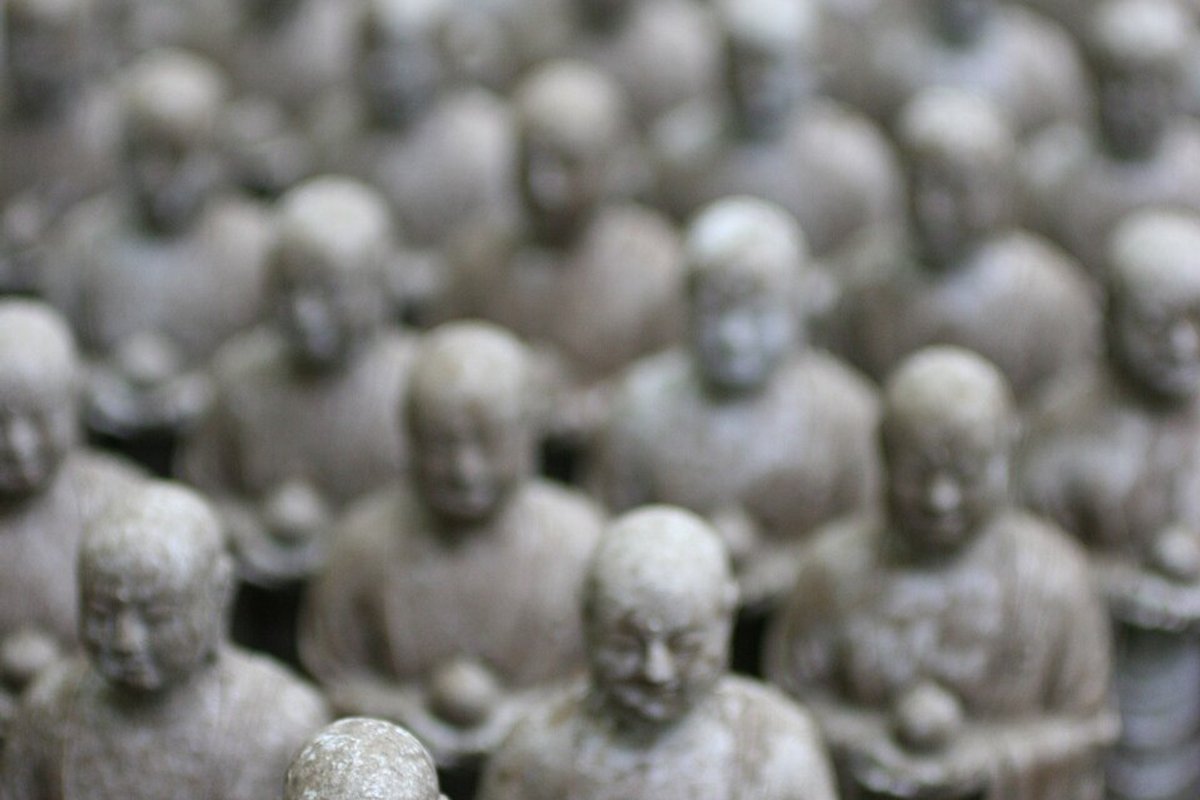
Founded during the Nara period according to tradition, Hase-dera Temple is known for its 9.18-meter-tall statue of the Eleven-Headed Kannon. From the observation deck on the grounds, visitors can look out over Yuigahama Beach and Sagami Bay, with the Izu Peninsula visible on clear days. The June hydrangea season is especially popular, when about 2,500 hydrangea bushes color the grounds and draw large crowds.
The Eleven-Headed Kannon
The principal image, a standing statue of the Eleven-Headed Kannon, stands 9.18 meters tall, one of the largest wooden Kannon statues in Japan. Legend holds that it was carved from a sacred tree that drifted ashore from Hase-dera in Nara in 736. Its gold-leafed, graceful form commands attention, and it is affectionately known as "Hase Kannon."
The view from the observation deck
The observation deck on the higher ground of the grounds is a prime spot overlooking Yuigahama Beach. On clear days you can see the Izu Peninsula across Sagami Bay, and sometimes even the silhouette of Mount Fuji in the distance. The temple's covered walkway also offers sea views along the way.
Hydrangea highlights
The "Hydrangea Path" on the grounds is planted with about 40 varieties and over 2,500 hydrangea bushes, reaching full bloom from June into early July. Admission tickets are sometimes distributed to manage crowds, so an early visit is recommended. Along the path are several scenic spots where hydrangeas can be enjoyed with the sea as a backdrop.

![[New Trip] スーツケース キャリーケース 拡張機能付き 機内持ち込み 軽量 大型 キャリーバック Sサイズ 40L 2~3泊 アイボリー | 旅行や出張で荷物が増えても安心!マチ幅5cm拡張で容量約20%アップ。耐衝撃ボディ、信頼のYKKファスナー、海外旅行に欠かせないTSAロック、静音ダブルキャスター、多段階調節キャリーバー搭載、S/M/Lの3サイズ展開。](https://m.media-amazon.com/images/I/61mh9ATG7UL._AC_SL1500_.jpg)

Seasonal Highlights
🌸 Spring (Mar-May)
Cherry blossoms and spring flowers are at their best from late March through April, with flowers blooming throughout the grounds for a gentle spring stroll.
🌿 Summer (Jun-Aug)
The June-July hydrangeas are the biggest highlight, with about 2,500 bushes filling the grounds — popular enough that admission tickets are sometimes required.
🍁 Autumn (Sep-Nov)
October and November bring autumn leaves and seasonal flowers, with the view from the observation deck looking even clearer in the crisp air.
❄️ Winter (Dec-Feb)
Plum blossoms begin as early as January and February. The bare winter grounds have a crisp, clean feel that makes the Kannon statue appear even more dignified.
Visit Tips
- Suggested duration
- About 60-90 minutes
- Crowd levels
- Hydrangea season (June) gets crowded enough that admission tickets are issued. A visit right at opening (8:00) or on a weekday is strongly recommended during this period.
- Best time to visit
- Early morning (8:00-10:00). The morning light is front-lit, making for beautiful photos from the observation deck.
| Address | 3-11-2 Hase, Kamakura, Kanagawa |
|---|---|
| Hours | 8:00-17:30 (until 17:00 from October to February) |
| Admission | Adults ¥400, elementary school students ¥200 |
| Official Website | Visit official website |
Access
- 5 min walk from Hase Station (Enoshima Electric Railway)