Jochi-ji Temple
浄智寺
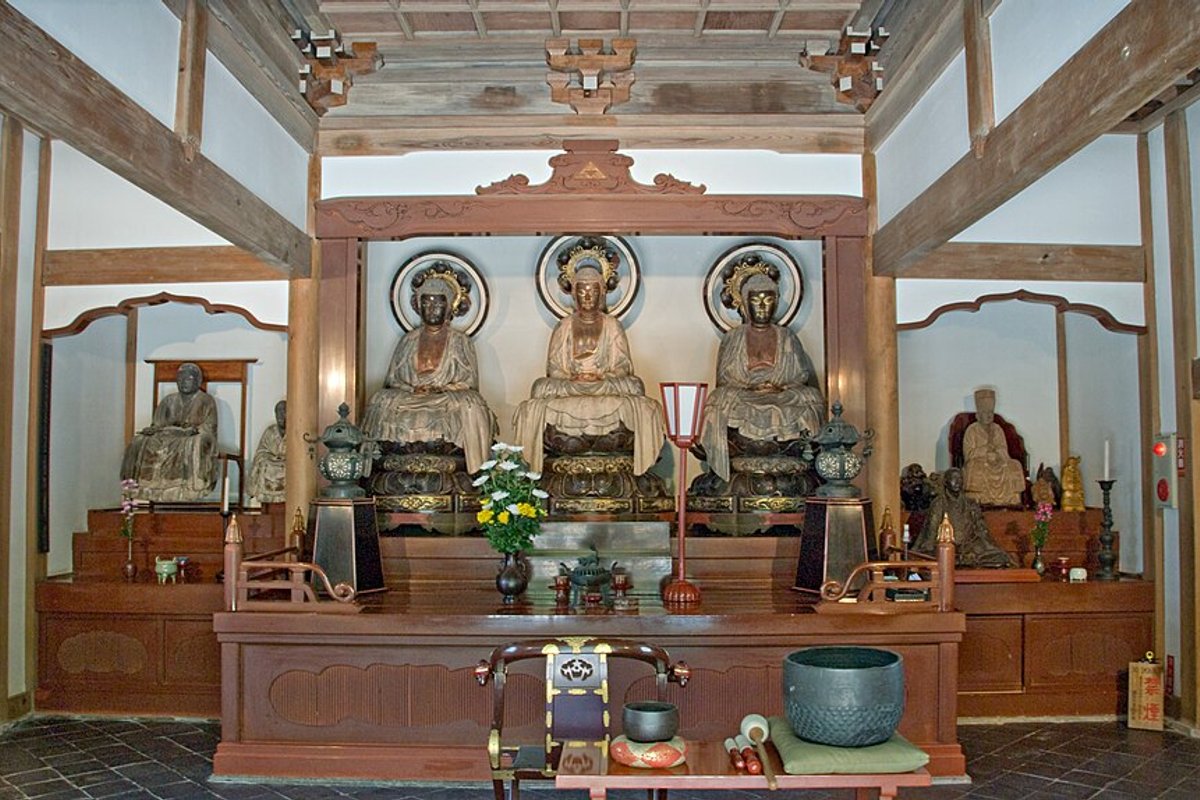
Founded in 1281 to console the soul of Hojo Morotoki, third son of Hojo Tokimune, this Rinzai-sect temple of the Engakuji school ranks fourth among the Five Mountains of Kamakura. Just north of Engaku-ji, its bamboo- and greenery-filled grounds have a calm, settled atmosphere. It's also known as the site of Hotei, one of the Seven Lucky Gods on the Kamakura-Enoshima pilgrimage — rubbing the belly of the Hotei statue enshrined in a cave on the grounds is said to bring longevity and freedom from illness.
The Chinese-style bell gate and grounds
The bell gate (main gate) at the entrance has an unusual "four pillars, three bays" design in the Chinese Zen style. The grounds are beautiful with bamboo and moss, with a stream running through a serene space. A dry-landscape garden is also maintained, allowing visitors to stroll while sensing the Zen worldview.
Hotei (Seven Lucky Gods pilgrimage)
The Hotei statue enshrined in a cave on the grounds is one stop on the "Kamakura-Enoshima Seven Lucky Gods Pilgrimage." Rubbing the large, round belly of this cheerful figure is said to grant longevity and good health, drawing many participants in the Seven Lucky Gods stamp rally. The pilgrimage can be done year-round, but it's especially busy from New Year's Day through the 15th.
History
Founded in 1281 as the family temple for Morotoki, son of Hojo Munemasa. Its founding priest was Nanshu Koukai, a disciple of the Song-dynasty priest Wuan Puning, who had been invited from China. Holding the rank of fourth among the Five Mountains of Kamakura, the temple enjoyed the patronage of the Hojo clan. Most of the current buildings were rebuilt from the Edo period onward, but cultural treasures remain that convey the atmosphere of earlier times.

![[New Trip] スーツケース キャリーケース 拡張機能付き 機内持ち込み 軽量 大型 キャリーバック Sサイズ 40L 2~3泊 アイボリー | 旅行や出張で荷物が増えても安心!マチ幅5cm拡張で容量約20%アップ。耐衝撃ボディ、信頼のYKKファスナー、海外旅行に欠かせないTSAロック、静音ダブルキャスター、多段階調節キャリーバー搭載、S/M/Lの3サイズ展開。](https://m.media-amazon.com/images/I/61mh9ATG7UL._AC_SL1500_.jpg)

Seasonal Highlights
🌸 Spring (Mar-May)
Plum, cherry, and narcissus blossoms color the grounds one after another. Plums begin blooming as early as early February, the first sign of spring.
🌿 Summer (Jun-Aug)
The bamboo grove turns vivid green, and combined with the clear stream on the grounds, creates a refreshingly cool scene.
🍁 Autumn (Sep-Nov)
The contrast between the autumn leaves and the green bamboo is beautiful, best from mid-to-late November.
❄️ Winter (Dec-Feb)
The Seven Lucky Gods pilgrimage season (January-February) brings many visitors. Outside that period, it can be enjoyed in quiet.
Visit Tips
- Suggested duration
- About 30-45 minutes
- Crowd levels
- Relatively uncrowded for the Kita-Kamakura area, allowing a leisurely visit. Busy during the New Year Seven Lucky Gods pilgrimage period.
- Best time to visit
- Early morning. It's efficient to visit together with Engaku-ji from Kita-Kamakura Station.
| Address | 1402 Yamanouchi, Kamakura, Kanagawa |
|---|---|
| Hours | 9:00-16:30 |
| Admission | Adults ¥200, elementary school students ¥100 |
| Official Website | Visit official website |
Access
- 8 min walk from Kita-Kamakura Station (JR Yokosuka Line)