Tourist Spots
23 spots listed
Category(multiple selection allowed)
Area(multiple selection allowed)
23 results
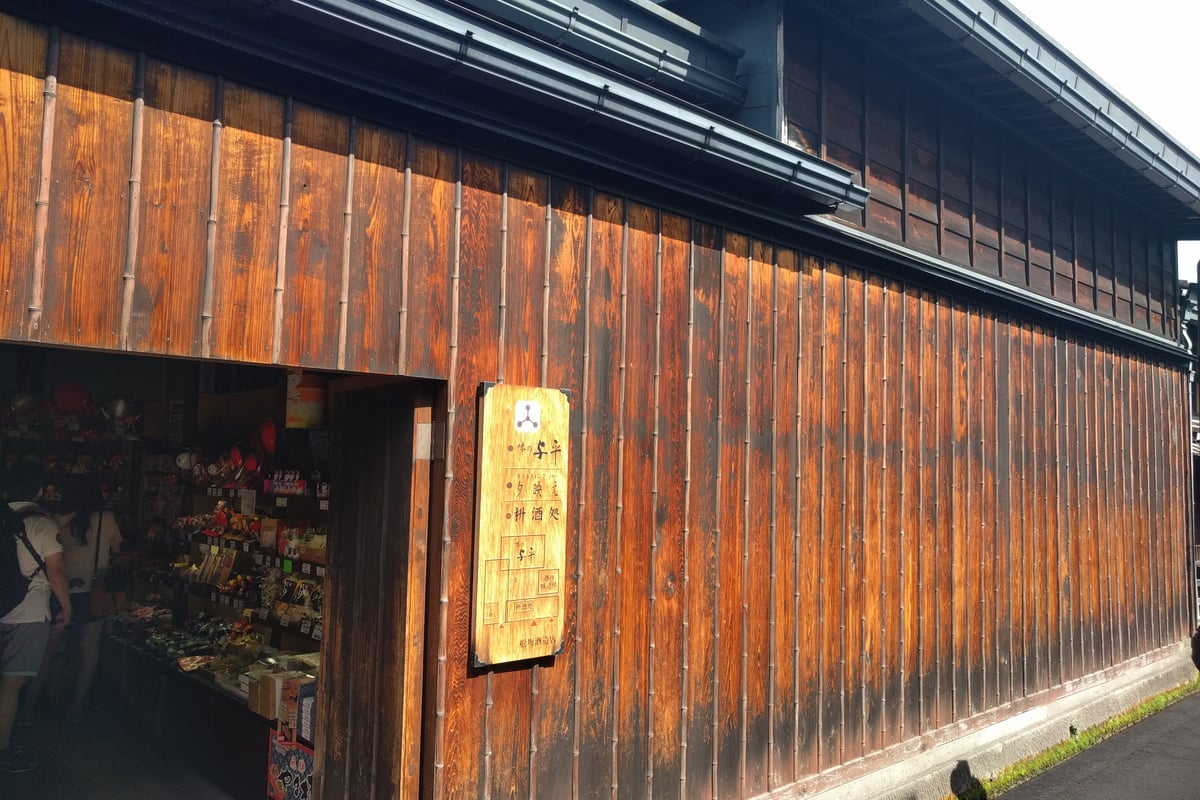
Sanmachi Historic District
古い町並み(三町伝統的建造物群保存地区)
A nationally selected Important Preservation District for Groups of Historic Buildings centered on Kami-sannomachi, Kami-ninomachi, and Kami-ichinomachi streets. Since Takayama Castle was abandoned in 1695, the merchant-district street layout and townhouses that flourished as the commercial center of the Hida region have been preserved almost as they were, with about 172 traditional buildings still standing. Low mezzanine-style townhouses with deep eaves and black-painted latticed windows and shutters line the streets, conveying the skills of Hida's master carpenters, while cedar-ball sake brewery signs, the murmur of irrigation channels, and noren curtains of long-established shops create a distinctive atmosphere. Today, the area is lined with souvenir shops, sake breweries, Japanese-style cafes, and food-tasting stalls set up in renovated townhouses, drawing many tourists from Japan and abroad as a strolling district sometimes called "Little Kyoto of Hida." Power lines are hidden beneath building eaves to protect the scenery, thoroughly preserving the beauty of the streetscape.
🚶 15 min walk from Takayama Station
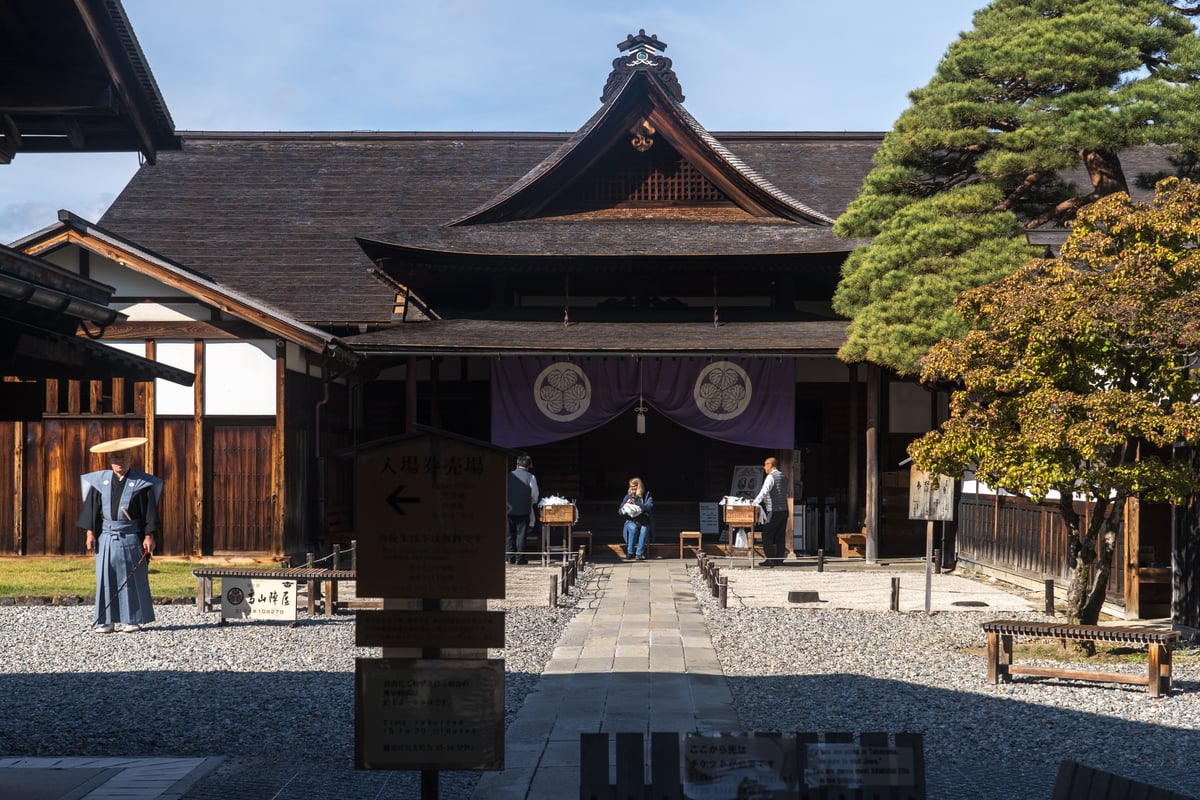
Takayama Jinya
高山陣屋
A group of buildings that once housed the magistrate's and intendant's office through which the Edo shogunate governed Hida Province as its direct territory, designated a national historic site as the only surviving Edo-period jinya (regional administrative office) building complex in Japan. After Hida became shogunate territory in 1692, 25 successive magistrates and intendants conducted government affairs here for about 176 years until the Meiji Restoration. The government office, administrative hall, intendant's living quarters and kitchen, and the courtroom (Oshirasu) are open to the public, either preserved as they were or restored, letting visitors closely see the working spaces of Edo-period officials and the setting of civil trials. The rice storehouse (Okura) on the grounds is Japan's oldest and largest surviving storehouse and is also used to display historical materials about Hida. Conveniently located as a starting point for touring Takayama's old townscape, a morning market is also held in the plaza in front of the jinya.
🚶 10 min walk from Takayama Station
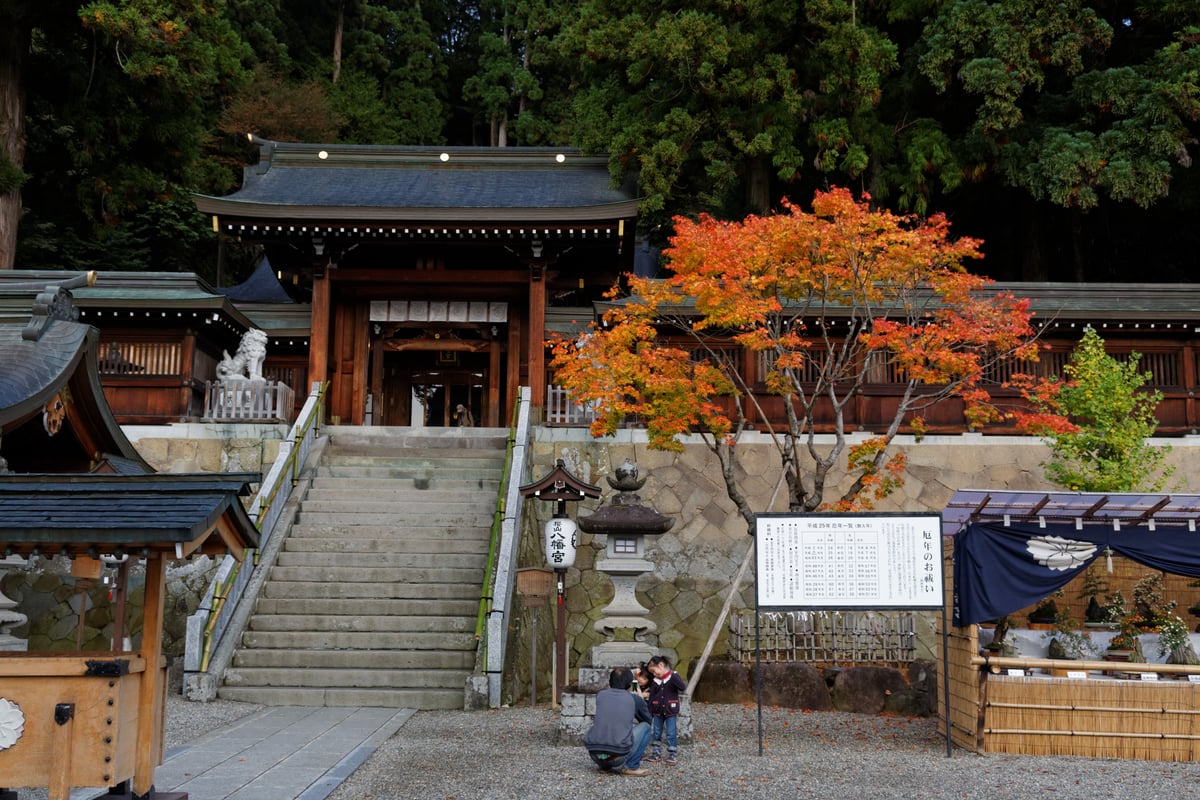
Sakurayama Hachimangu Shrine
桜山八幡宮
A leading old shrine in Takayama said to have been founded over 1,600 years ago during the reign of Emperor Nintoku, enshrining Emperor Ojin as its principal deity. Long revered as the guardian shrine of all Hida, its magnificent shrine buildings, conveying the skills of Hida's master carpenters, stand at the entrance to the Higashiyama temple district. Its annual festival held October 9-10, the "Autumn Takayama Festival," is one of Japan's three great beautiful festivals, featuring 11 gorgeous festival floats parading through the castle town; the festival, including its float traditions, is registered as both a national Important Intangible Folk Cultural Property and a UNESCO Intangible Cultural Heritage. The adjacent Takayama Festival Floats Exhibition Hall permanently displays actual floats used in the autumn festival, letting visitors closely engage with Hida's craftsmanship and festival culture alongside their shrine visit. Also known as a cherry blossom spot, the trees for which the shrine is partly named color the grounds each spring.
🚶 20 min walk from Takayama Station
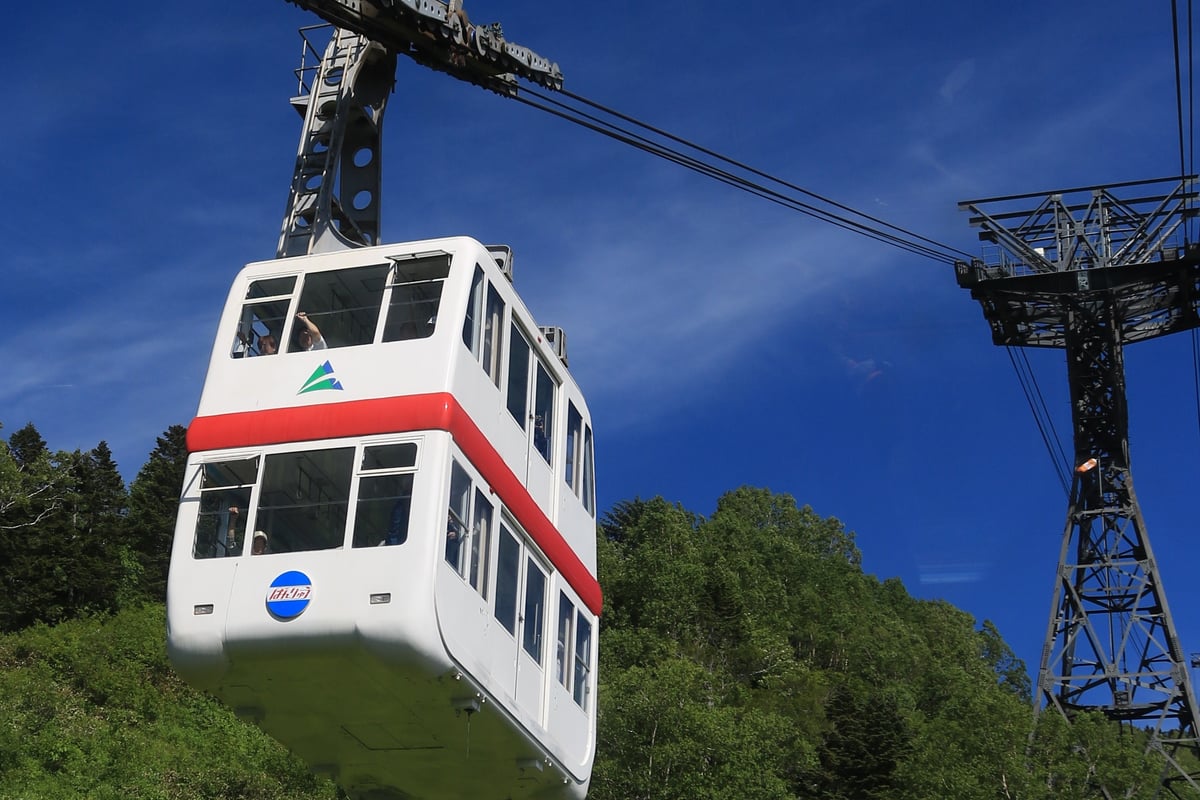
Shin-Hotaka Ropeway
新穂高ロープウェイ
A ropeway connecting Shin-Hotaka Onsen to Nishi-Hotakaguchi (elevation 2,156m) in the Northern Alps, featuring Japan's only double-decker gondola. Riding the First Ropeway (Shin-Hotaka Onsen to Nabedaira Highlands) and the Second Ropeway (Shirakaba-daira to Nishi-Hotakaguchi) in succession rapidly gains elevation, and the summit observation deck offers a grand panorama of the Northern Alps' 3,000-meter-class peaks, including Mount Yari and the Hotaka mountain range, up close. On clear days, visitors can see as far as Mount Kasa, Mount Norikura, and even Mount Fuji. From alpine flowers and cloud seas in summer to autumn foliage and frosted trees and stargazing in winter, it shows a different face each season, popular not only with climbers but also with tourists simply wanting to enjoy spectacular views — a leading tourist attraction representing the Okuhida Onsen area.
🚶 1 min walk from Takayama Nohi Bus Center
Shirakawa-go Gassho-zukuri Village
白川郷合掌造り集落
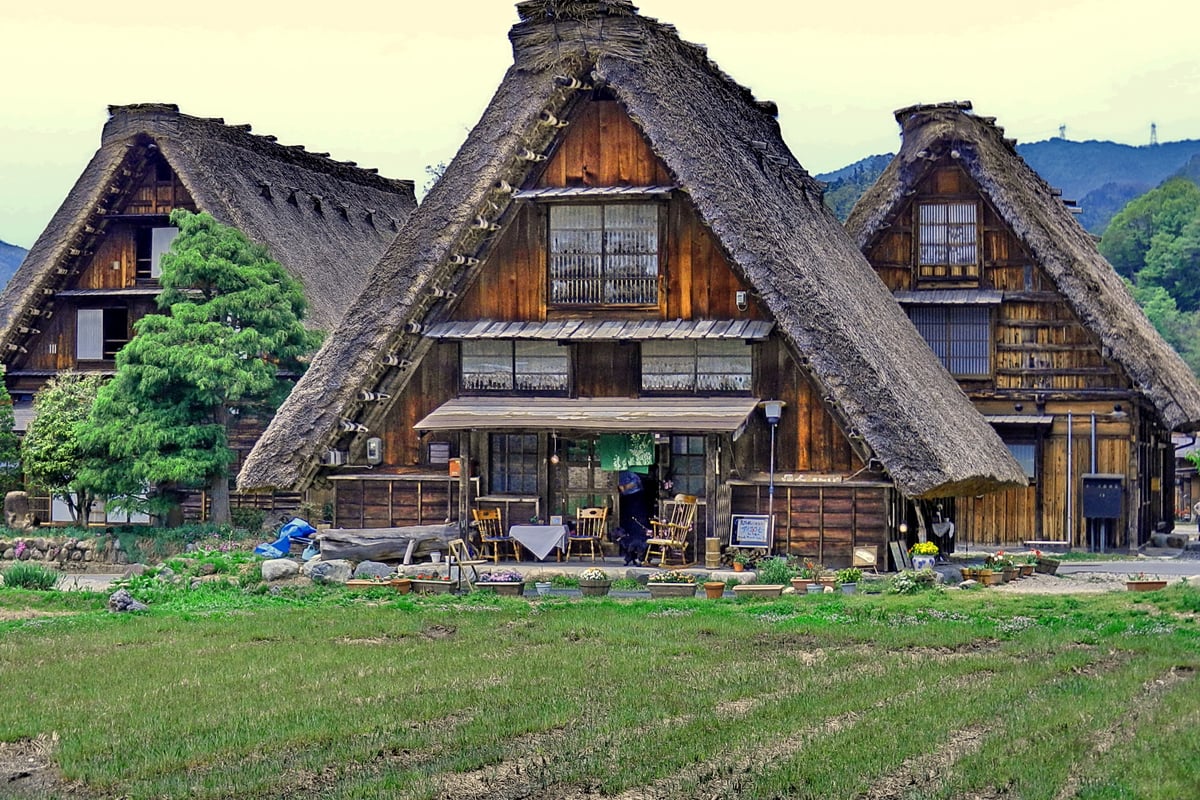
A mountain village in Ogimachi, Shirakawa Village, Ono District, Gifu, where over 100 steep-thatched-roof "gassho-zukuri" houses still stand today. Registered as a UNESCO World Heritage Site in 1995 together with Gokayama in Toyama Prefecture. Born of wisdom unique to a heavy-snowfall region, gassho-zukuri architecture features a steep roof shape designed to bear the weight of snow, and the tradition of "yui" — neighbors helping each other re-thatch roofs — continues to this day. The village includes the Wada House (a national Important Cultural Property) and other surviving houses, tourist facilities such as the Myozen-ji Kuri Folk Museum, and souvenir shops and restaurants, offering beautiful satoyama scenery year-round. Though located in Shirakawa Village, a separate municipality from Takayama City, it's a classic touring route often visited together with Takayama.
🚶 0 min walk from JR Takayama Station
Takayama Matsuri Yatai Kaikan
高山祭屋台会館
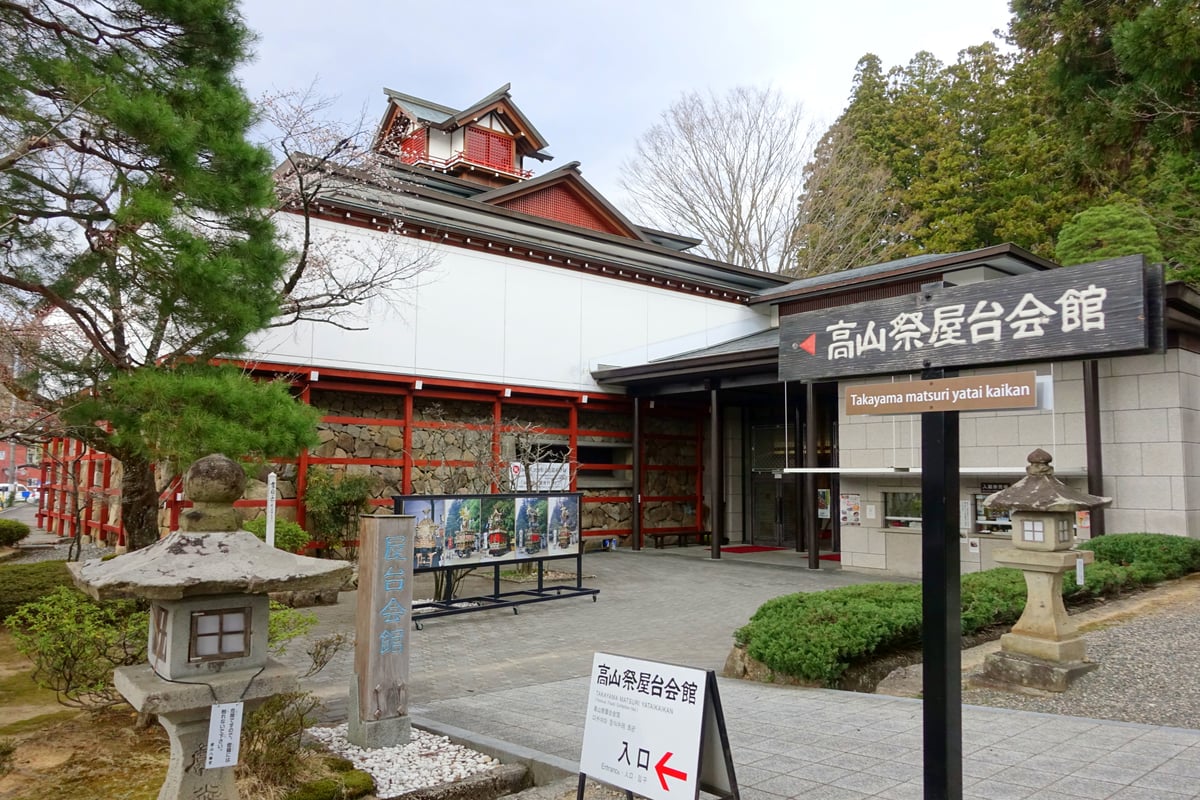
A museum on the grounds of Sakurayama Hachimangu Shrine, a nationally rare facility permanently displaying, as actual objects, the festival floats — designated national Important Tangible Folk Cultural Properties — that are actually paraded during the autumn Takayama Festival. Since opening in 1968, it has rotated 4 of the 11 floats owned by Sakurayama Hachimangu on display every 4 months, so visitors encounter different floats depending on when they visit. Visitors can closely admire floats embodying the refined skills of Hida's master carpenters, including gold leaf, carvings, and mechanical dolls, while the adjoining Sakurayama Nikko-kan also displays an elaborate model of Nikko Toshogu Shrine. The Takayama Festival, including its float traditions, is registered as a UNESCO Intangible Cultural Heritage, making this a popular spot to experience the power and beauty of the Takayama Festival outside of festival season.
🚶 20 min walk from Takayama Station
Kusakabe Folk Museum
日下部民藝館
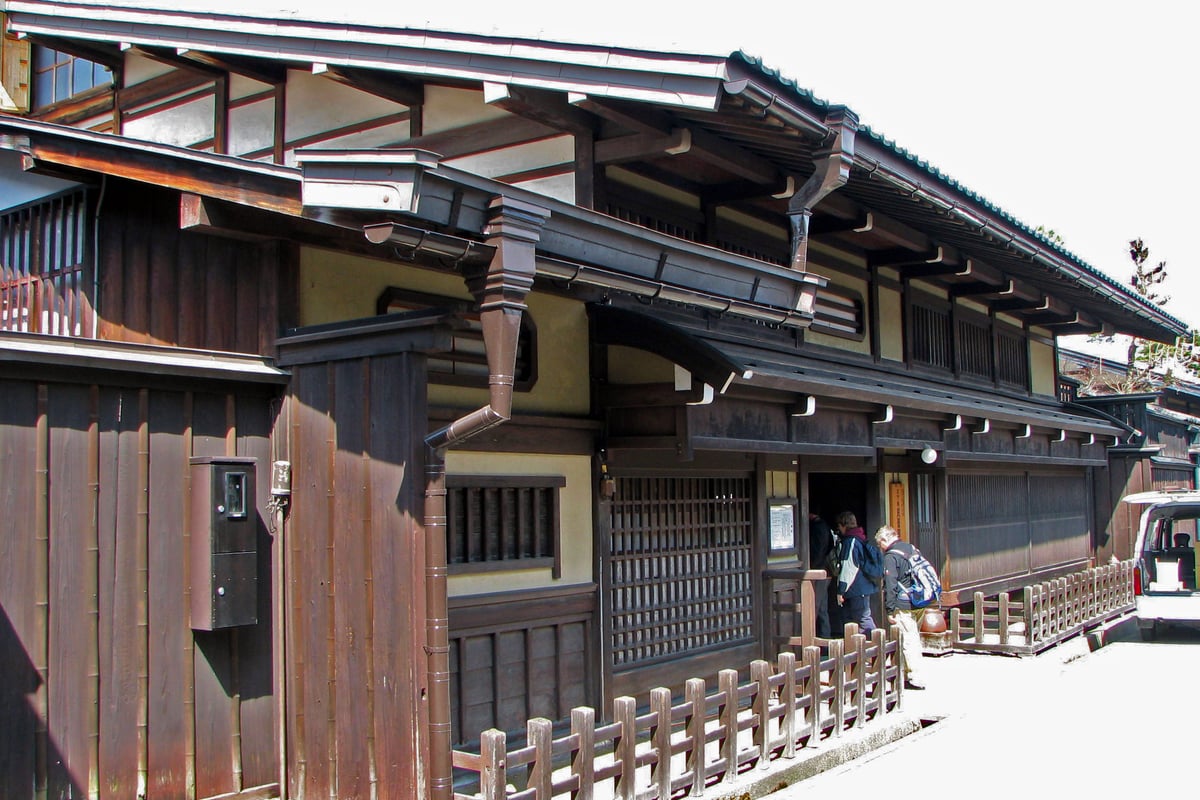
A folk art museum open to the public in the former residence of the Kusakabe family, a wealthy merchant house that prospered as a purveyor to the Hida magistrate's office during the Edo period, when Hida was shogunate territory. The building, destroyed in the great fire of 1875 and rebuilt in 1879, is a national Important Cultural Property that faithfully conveys traditional Edo-period townhouse architecture. The bold, soaring beam structure visible from the earthen-floor entryway is described as having a "masculine beauty" and is known as a space embodying the skills of Hida's master carpenters. The storehouse holds artworks and folk crafts passed down through the Kusakabe family, everyday tools from the late Edo to Meiji periods, and Shibukusa ware ceramics, offering a glimpse of a wealthy merchant's former way of life. Often visited together with the neighboring Yoshijima Heritage House, it's a leading destination for viewing traditional Hida architecture.
🚶 15 min walk from Takayama Station
Yoshijima Heritage House
吉島家住宅
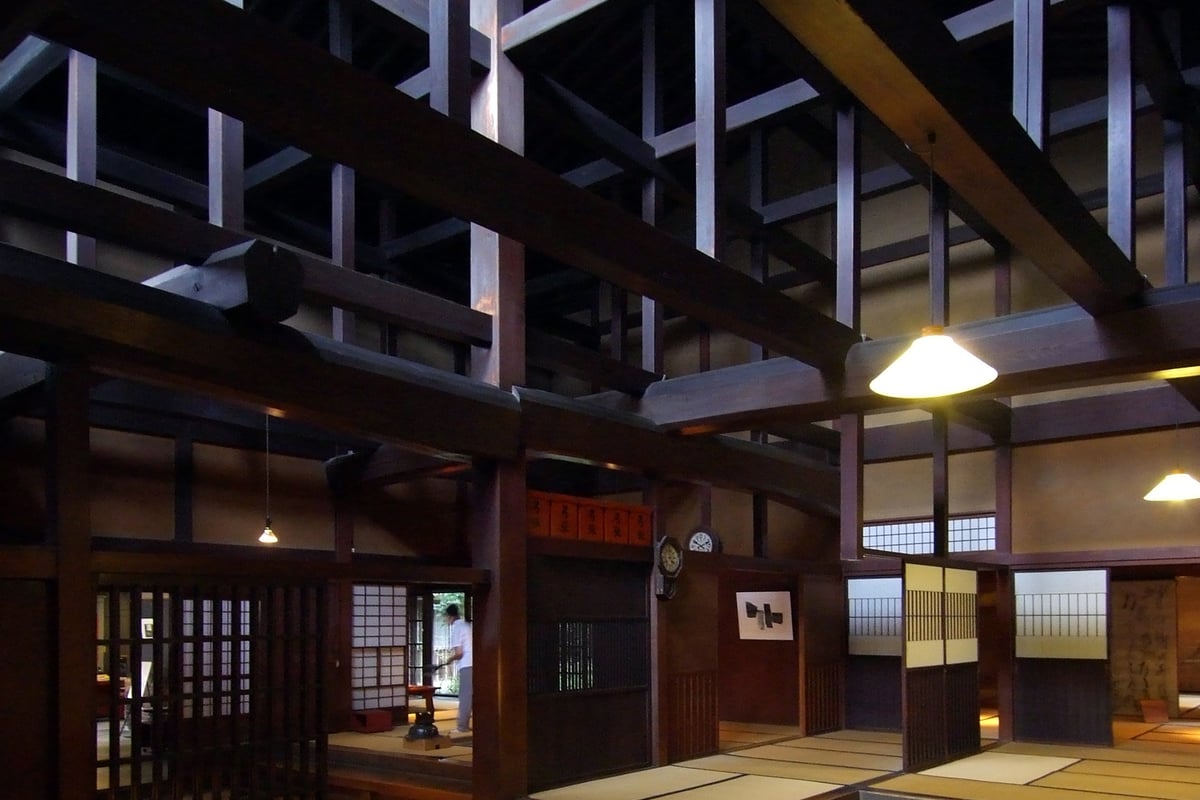
The former residence of the Yoshijima family, a wealthy merchant house that amassed a fortune trading raw silk and silkworm cocoons from the late Edo period onward, designated a national Important Cultural Property together with the neighboring Kusakabe Folk Museum as a leading example of Takayama townhouse architecture. The current building was rebuilt in 1907 after being destroyed by fire in 1905. The open, soaring space just inside the entrance, viewed from the earthen floor, presents a fantastical sight where beams and struts are geometrically assembled around a central pillar, illuminated by light streaming in from a skylight onto polished wood surfaces. With overall low eaves and delicate detailing throughout, it's described as having a "feminine beauty" in contrast to the powerful "masculine beauty" of the Kusakabe House, and as a masterpiece of refined townhouse architecture born of Hida's master carpentry skills, it's also popular among architecture fans and photography enthusiasts.
🚶 17 min walk from Takayama Station
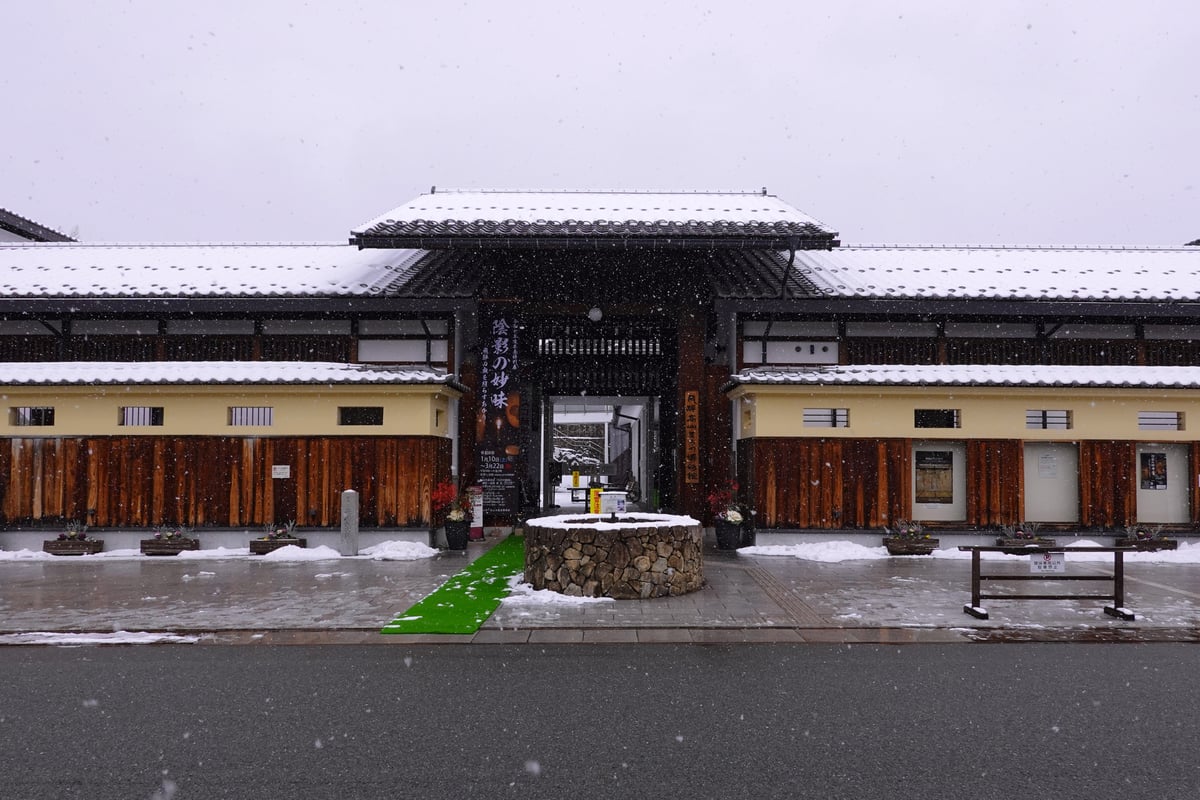
Takayama City Museum of History
飛騨高山まちの博物館
A hands-on museum introducing the history, culture, and craftsmanship of Takayama for free, using the former residence of Edo-period wealthy merchant Nagata Kichiemon and the adjoining Yajima family's storehouse complex. More than 10 surviving storehouses on the former merchant property have been repurposed directly as exhibition rooms, and the museum, divided into 14 zones, offers a multifaceted look at Hida's master carpentry skills, the Takayama Festival's float culture, and the origins of the castle town. The dignified atmosphere unique to storehouse architecture, along with the alleys and courtyards connecting the storehouses, is itself a highlight. Located roughly midway between the Sanmachi old townscape and the Takayama Jinya/Miyagawa Morning Market area, it's cherished locally as a rest-and-learning spot to casually stop by during a stroll.
🚶 20 min walk from Takayama Station
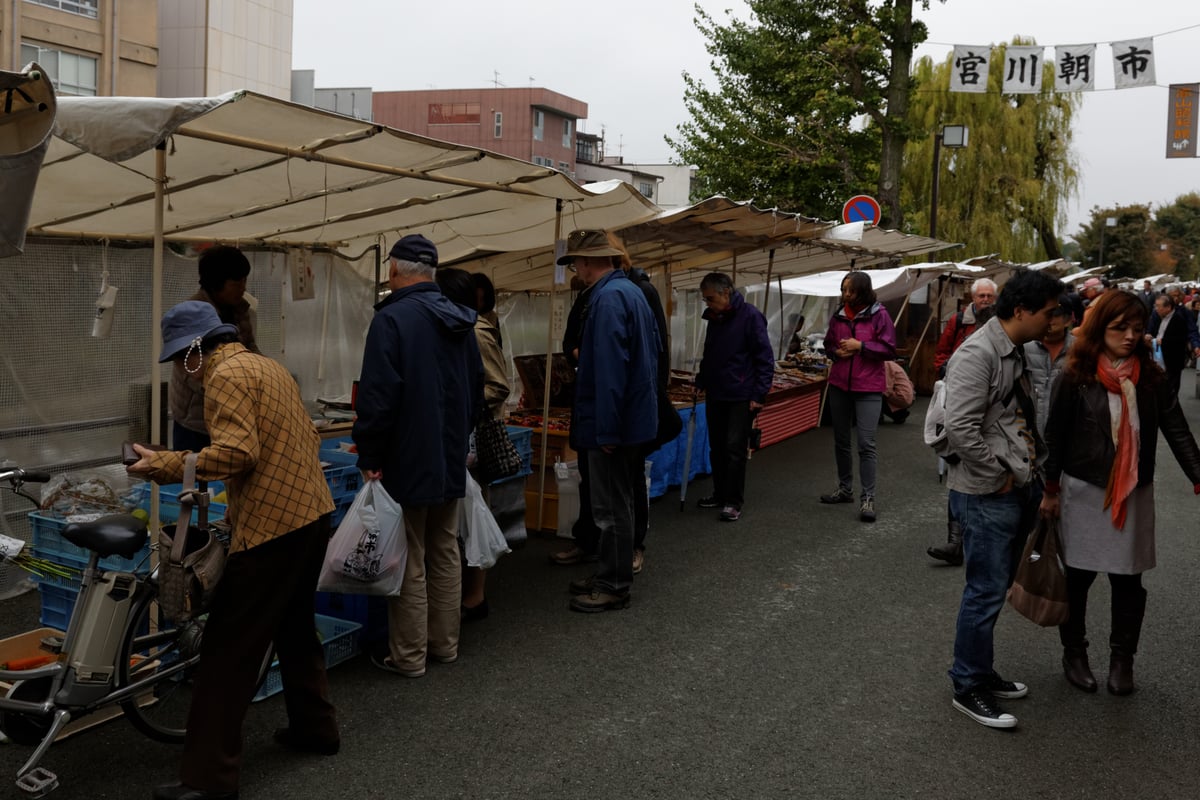
Miyagawa Morning Market
宮川朝市
A morning market held every morning along the east bank of the Miyagawa River running through central Takayama, stretching about 350 meters from Kaji Bridge to Yayoi Bridge, counted among "Japan's Three Great Morning Markets" alongside the morning markets of Wajima in Ishikawa and Katsuura in Chiba. More than 40 stalls belonging to the Hida-Takayama Miyagawa Morning Market Cooperative line up, selling fresh vegetables and fruit grown by local farmers, pickles, miso, and cut flowers, along with rustic handmade folk crafts and souvenirs. Originally held on Yasukawa-dori street, it moved to its current location along the Miyagawa River in 1962 for traffic safety reasons. Adjacent to the Sanmachi old town, it offers visitors a quintessential Hida-Takayama morning experience, with food-tasting and conversation with locals against the murmur of the river, drawing many tourists from Japan and abroad.
🚶 12 min walk from Takayama Station
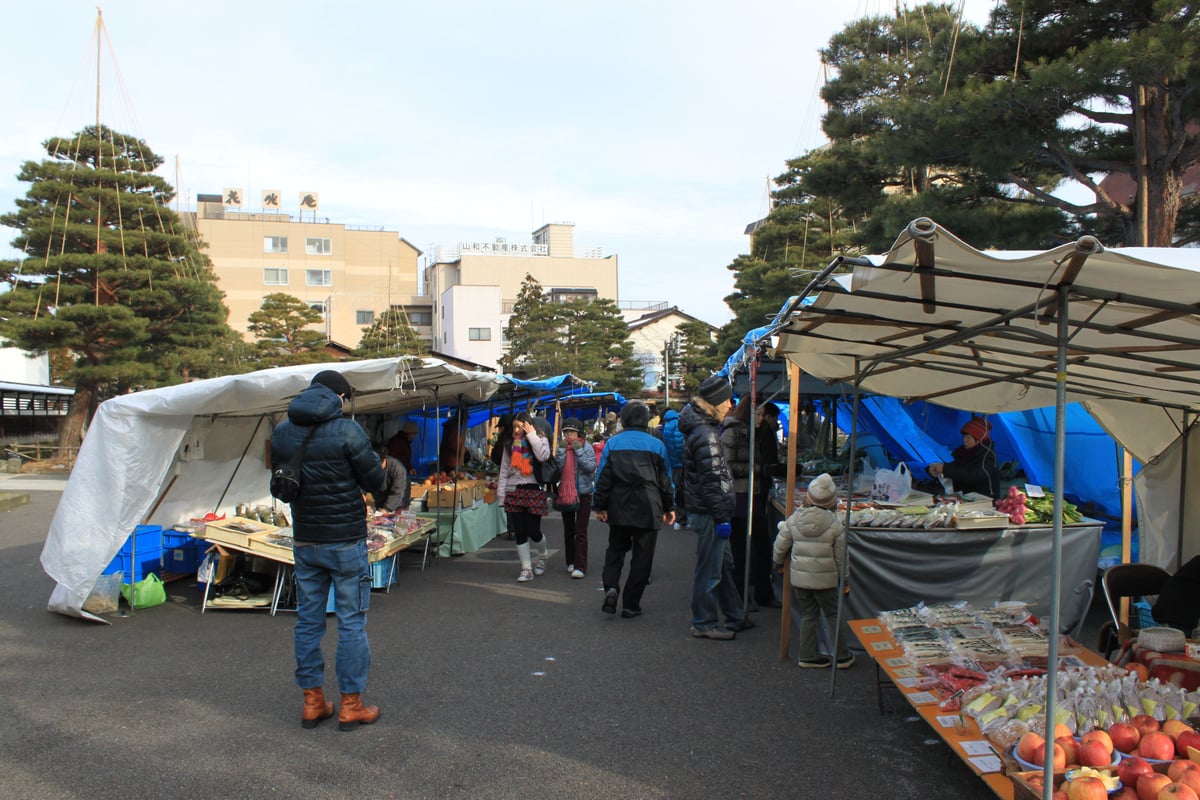
Jinya-mae Morning Market
陣屋前朝市
A morning market held every morning in the front plaza of Takayama Jinya, a national historic site, standing alongside the Miyagawa Morning Market as one of "Japan's Three Great Morning Markets" representing Hida-Takayama's market culture. It's said to originate from a mulberry market held on the grounds of Takayama Betsuin around 1820 during the late Edo period, later moving to Yayoi Bridge and Naka Bridge before settling at its current location in front of the Jinya. Local farmers bring freshly picked Hida-grown vegetables and fruit, pickles such as red turnip pickles, mochi, and cut flowers, sold at reasonable prices against the atmospheric backdrop of the Jinya's white walls and storehouses. Smaller in scale than the Miyagawa Morning Market, it suits those who want to shop at a leisurely pace while chatting with local producers.
🚶 10 min walk from Takayama Station
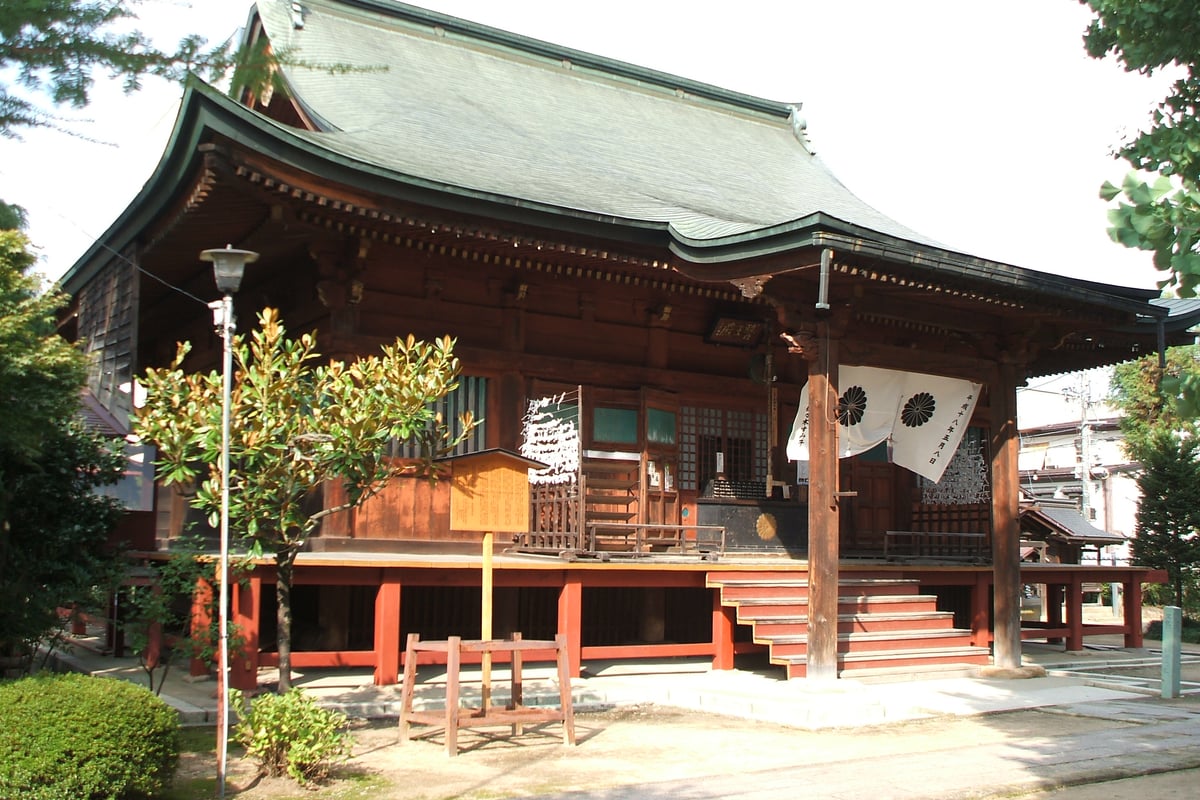
Hida Kokubun-ji Temple
飛騨国分寺
An old temple of the Koyasan Shingon sect said to have been founded around 746 by imperial decree of Emperor Shomu as one of the provincial temples (kokubunji) built nationwide, carrying over 1,250 years of history despite being just a 5-minute walk from Takayama Station in the heart of the city. The main hall, rebuilt during the Muromachi period, is a national Important Cultural Property and enshrines a seated wooden statue of Yakushi Nyorai. The great ginkgo tree on the grounds, said to have been planted at the temple's founding, is a national Natural Monument over 1,200 years old and a well-known spot for autumn foliage. The existing three-story pagoda, rebuilt in 1821, is the only surviving pagoda structure in the Hida region.
🚶 5 min walk from Takayama Station
Higashiyama Walking Course
東山遊歩道
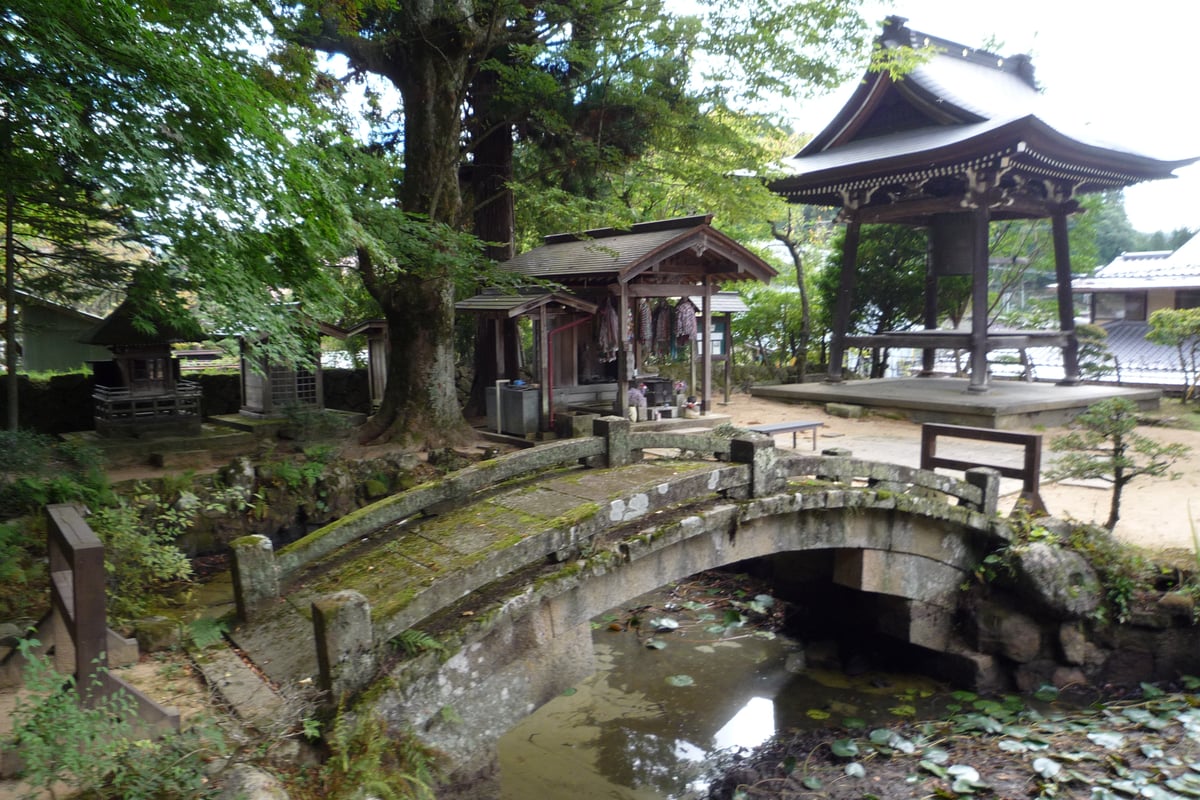
A roughly 5.5-km walking course running along the foothills east of Takayama Castle town. It originates from the first Takayama domain lord, Kanamori Nagachika, gathering temples and shrines on the east side of the castle for both defense and spiritual protection when developing the castle town, and about 13 temples and shrines, including Unryu-ji, Sogen-ji, and Dairyu-ji, are dotted along the route, forming a "corridor of history." Following the murmur of the Enako River away from the bustle of the old town, the path winds through tree-lined lanes, letting visitors quietly visit each temple's gate, garden, and historical sites connected to the Kanamori clan. The endpoint, Shiroyama Park, is a hillside area preserving the remains of the Sengoku-era Takayama Castle, and is also among Japan's selected 100 best forest-bathing sites. Walking the full route takes about two hours, offering a taste of Takayama's quiet charm, distinct from the old townscape.
🚶 13 min walk from Takayama Station
Sogen-ji Temple
素玄寺
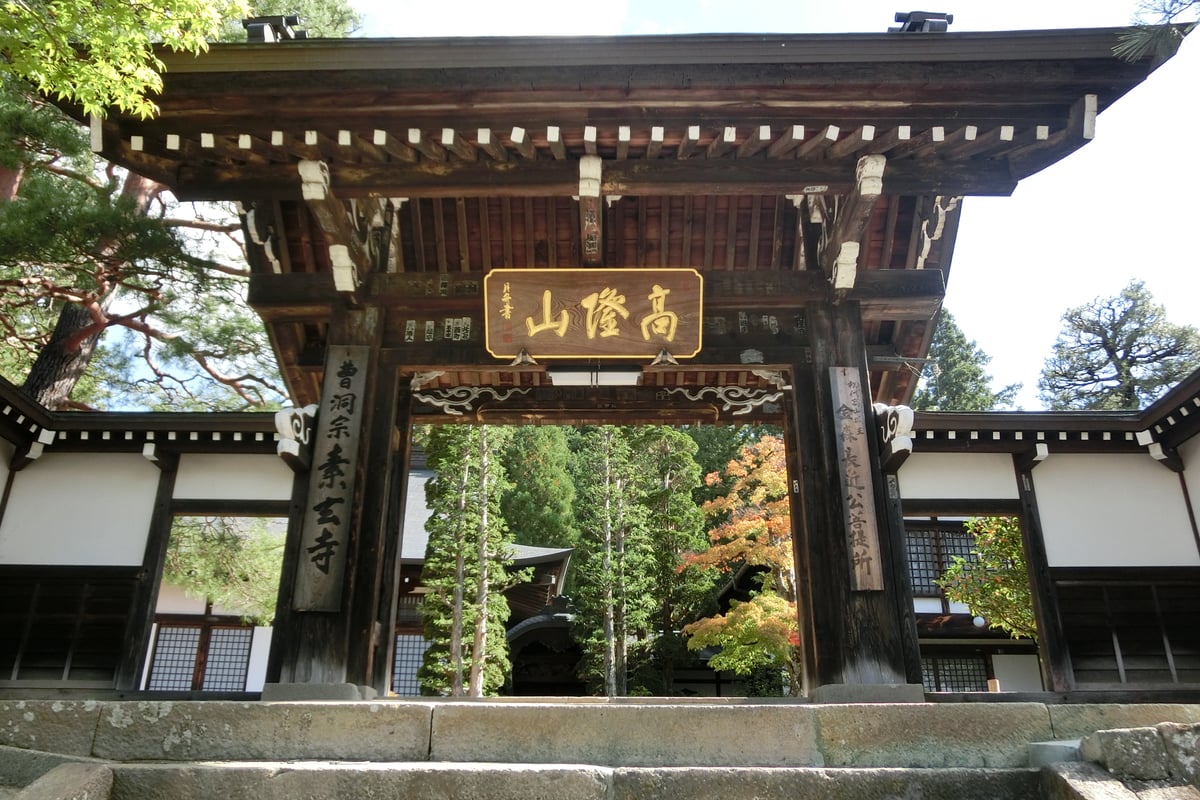
A Soto Zen temple in the Higashiyama temple district, built in 1608 by Kanamori Arishige, successor to Kanamori Nagachika, the first lord of the Takayama domain who laid the foundations of the Takayama castle town, to pray for Nagachika's repose after his death. The temple's name derives from Nagachika's Buddhist name, "Kinryuin-den Zenhyobu-shosho Hoin Yochu Sogen Daikoji." The current main hall was relocated in 1635 from the council chamber that once stood in the third bailey of Takayama Castle, and is designated a Takayama City tangible cultural property. The temple garden, laid out in the early Edo period, is a strolling-style pond garden making use of a mountainside slope, with waterfalls and streams creating an evocative landscape designated a Takayama City scenic spot. The temple also holds Nagachika's war fan, baton of command, and portrait, making it a must-visit historic site connected to the Kanamori clan while walking the Higashiyama Walking Course.
🚶 30 min walk from Takayama Station
Dairyu-ji Temple
大隆寺
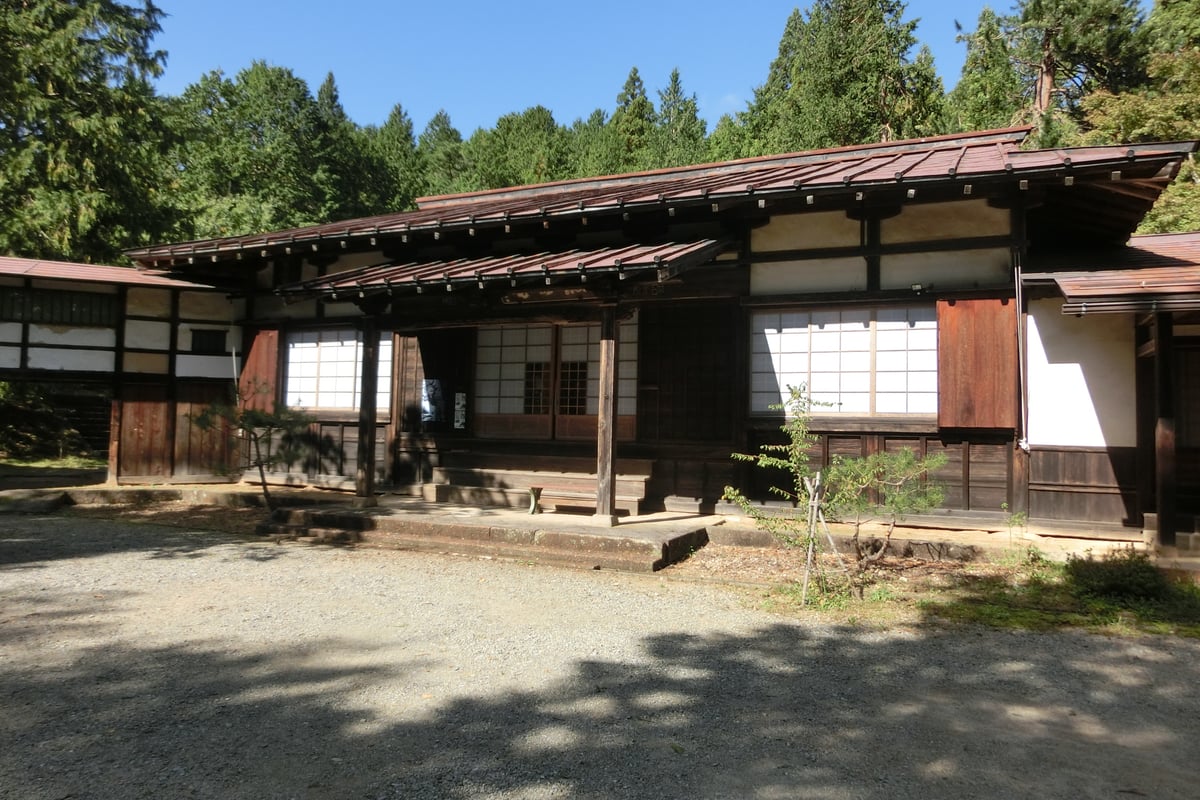
A Soto Zen temple at the foot of Mt. Shiroyama in the Higashiyama temple district, founded in 1652 by Kanamori Yorinao, the 4th lord of the Takayama domain, with the priest Zenkai Soshun of Kyoto's Daitoku-ji as founding abbot. Originally a Rinzai Zen temple of the Daitoku-ji lineage, it fell into decline after the Kanamori family left Takayama, but was revived as a Soto Zen temple in 1776. The grounds hold the graves of Lord Yorinao and his wife, and a Benten-do hall built in 1801 is a city cultural property, while a bell-shaped gong dated 1289 is a Gifu Prefecture Important Cultural Property.
🚶 25 min walk from Takayama Station
Okuhida Onsen Village (Hirayu Onsen)
奥飛騨温泉郷(平湯温泉)
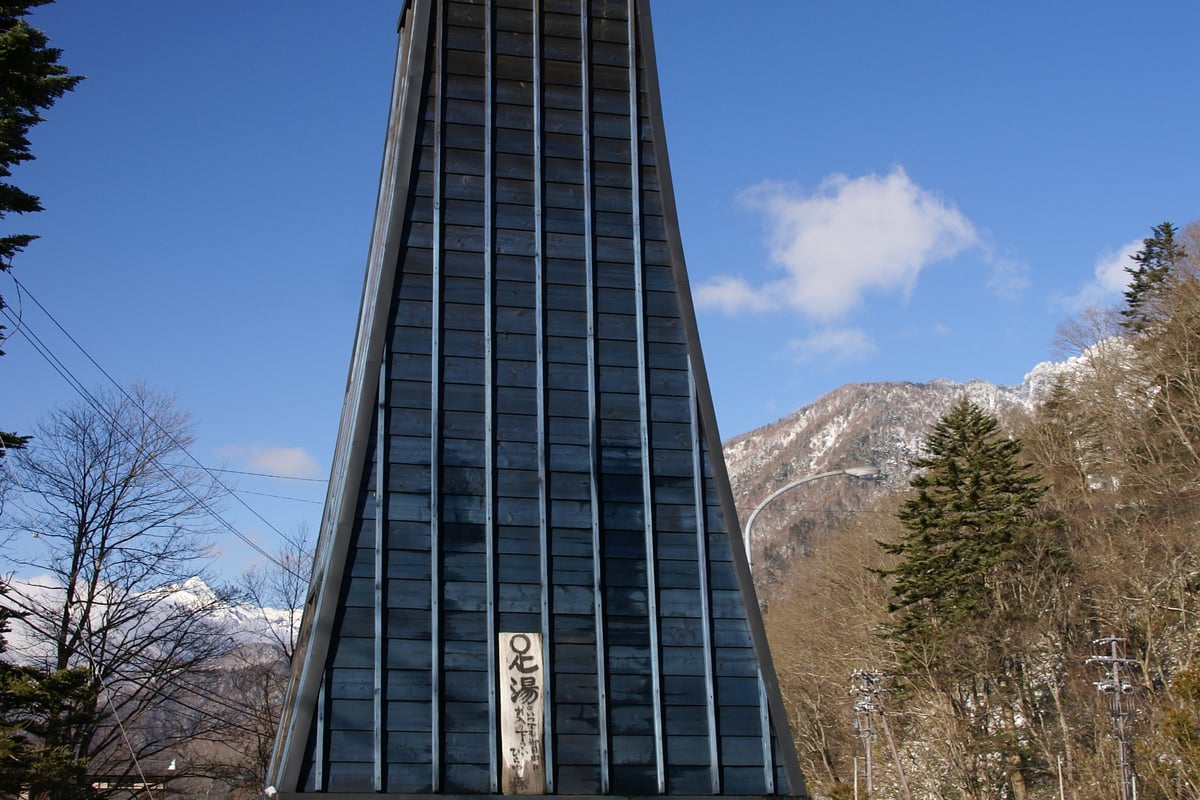
Hirayu Onsen, the gateway to the Okuhida Onsen Village area in Takayama, Gifu, serves as a base for visiting Kamikochi, Mount Norikura, and the Shin-Hotaka Highlands, and is said to be Hida's oldest hot spring, with over 1,300 years of history. A legend tells of Takeda Shingen's troops healing arrow wounds here, giving it the nickname "Shingen's Hidden Bath," and its abundant hot spring water supplies numerous ryokan and hotels. Around the Hirayu Bus Terminal are free foot baths, the day-use bathing facility "Hirayu no Mori," and public bathhouses, letting visitors enjoy a hot-spring tour even on a day trip. Across the whole Okuhida Onsen area, five hot spring towns — Hirayu, Fukuji, Shin-Hirayu, Tochio, and Shin-Hotaka — line a valley, earning it the nickname "outdoor-bath paradise," where visitors can hop between baths while taking in the murmur of the river and the peaks of the Northern Alps.
🚶 1 min walk from Takayama Nohi Bus Center
Hirayu Great Waterfall
平湯大滝
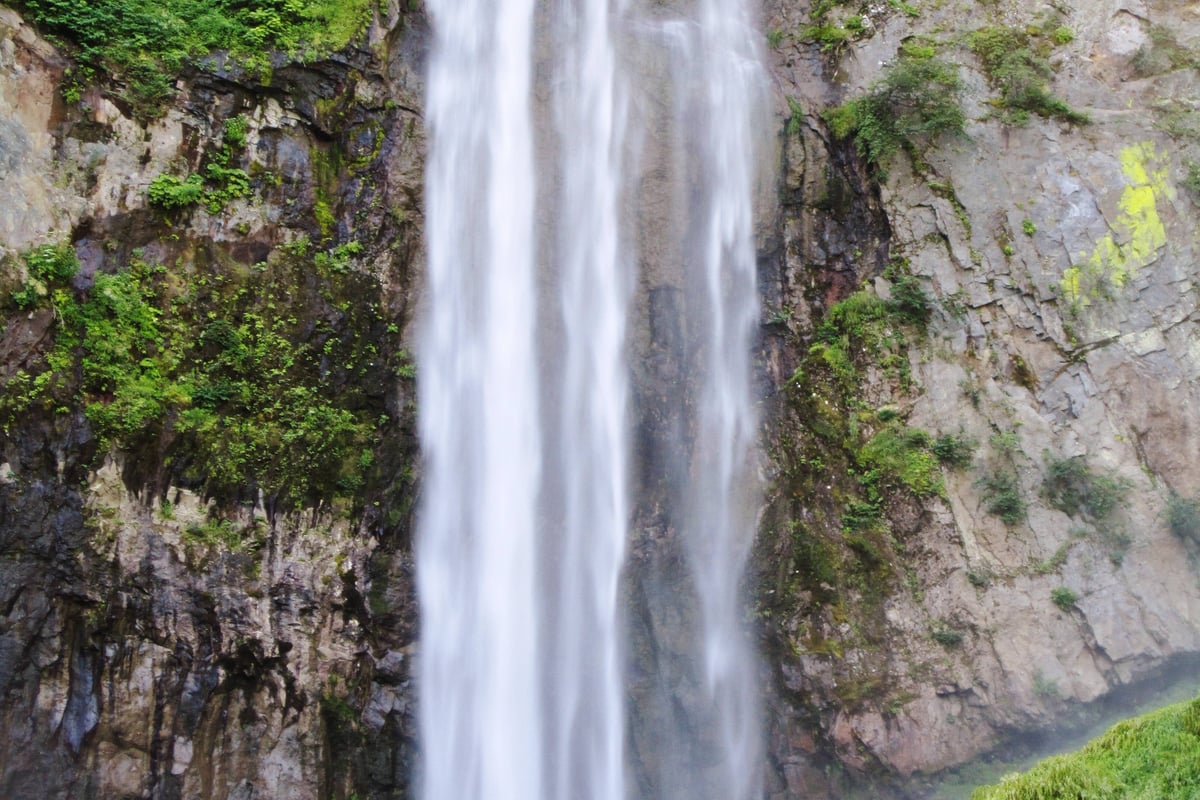
A waterfall near Hirayu Onsen in Takayama, Gifu, with a drop of 64 meters and a width of 6 meters, one of Gifu Prefecture's largest and selected as one of "Japan's 100 Best Waterfalls." A walking trail through virgin beech and oak forest leads close to the base of the falls, where visitors can experience the refreshing, negative-ion-rich air and the dynamic spray up close. In deep winter, the entire falls freeze into a giant, glowing blue-white ice pillar known as "hyobaku" (ice falls) — a major highlight — and the "Hirayu Great Waterfall Freeze Festival" is held each mid-February, offering a fantastical view of the illuminated ice falls.
🚶 20 min walk from Takayama Nohi Bus Center
Hida Great Limestone Cave
飛騨大鍾乳洞
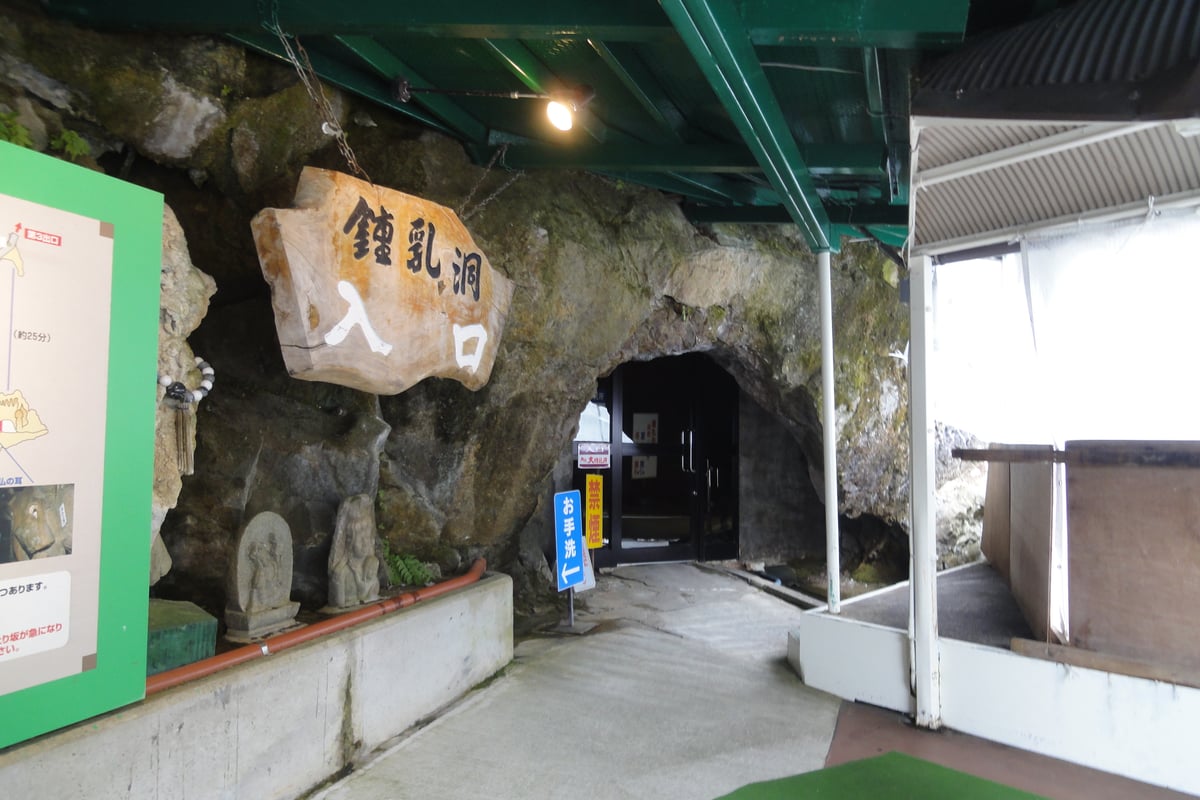
A limestone cave at an elevation of 900 meters, said to be the highest-elevation tourist cave in Japan. The roughly 800-meter-long cave interior features a mysterious landscape of milky-white stalactites and stalagmites, offering a cool, 12-degree-Celsius space year-round that evokes the passage of ancient geological time. The fantastically lit stalactite formations are also popular as a photogenic spot, and the cave includes several distinctively named highlights. The adjacent Ohashi Collection Museum displays roughly 1,000 items including world-class art, jewelry, and fossils, making it a great pairing with the cave tour.
🚶 1 min walk from Takayama Nohi Bus Center
Ogimachi Castle Ruins Observation Deck
荻町城跡展望台
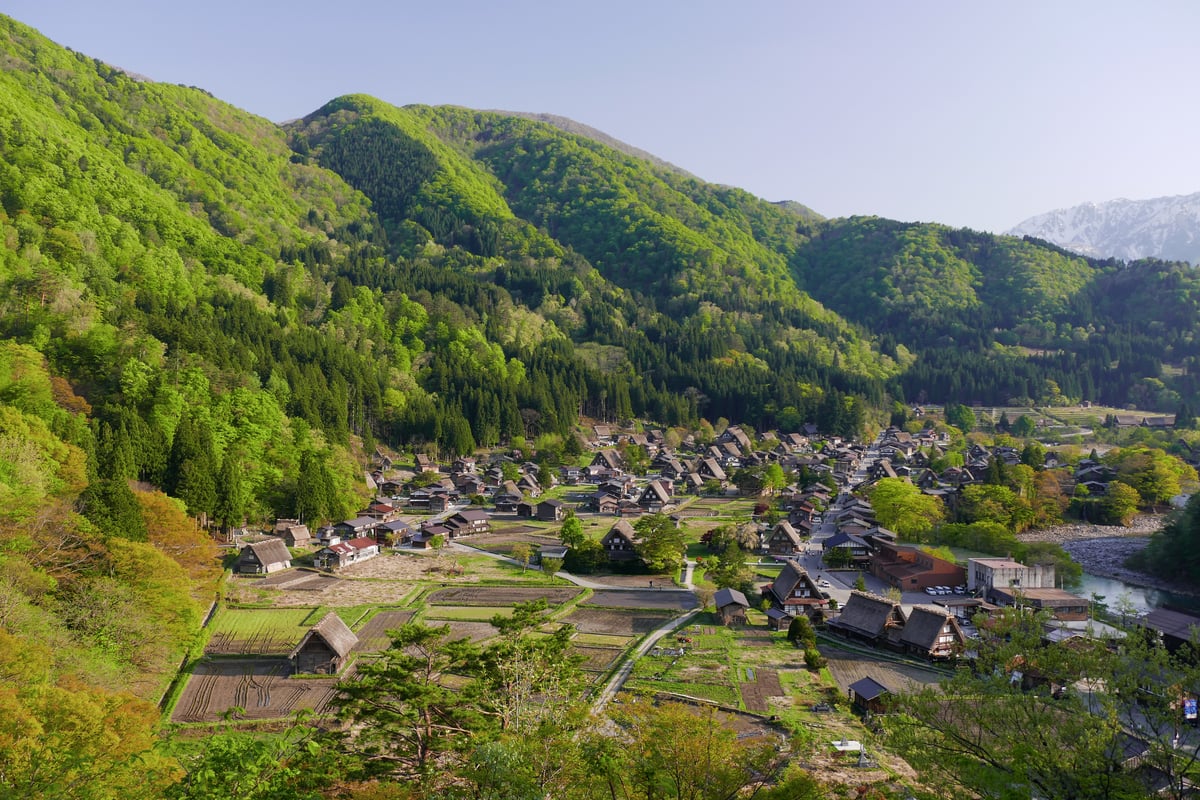
An observation deck on a hilltop overlooking the Ogimachi village of Shirakawa-go, developed on the ruins of Ogimachi Castle, built during the Sengoku period. Below spreads a rural landscape dotted with gassho-zukuri houses, with the Hakusan mountain range towering beyond — a classic photo spot commonly used in guidebooks and posters introducing Shirakawa-go. The snow-covered winter scenery and the night view of the illuminated village after sunset especially attract many photography enthusiasts. It can be reached by climbing a roughly 15-20 minute walking trail from the village center, or by shuttle bus, and shops are set up around the observation deck.
🚶 20 min walk from Shirakawa-go Bus Terminal
Shirakawa Hachimangu Shrine
白川八幡神社
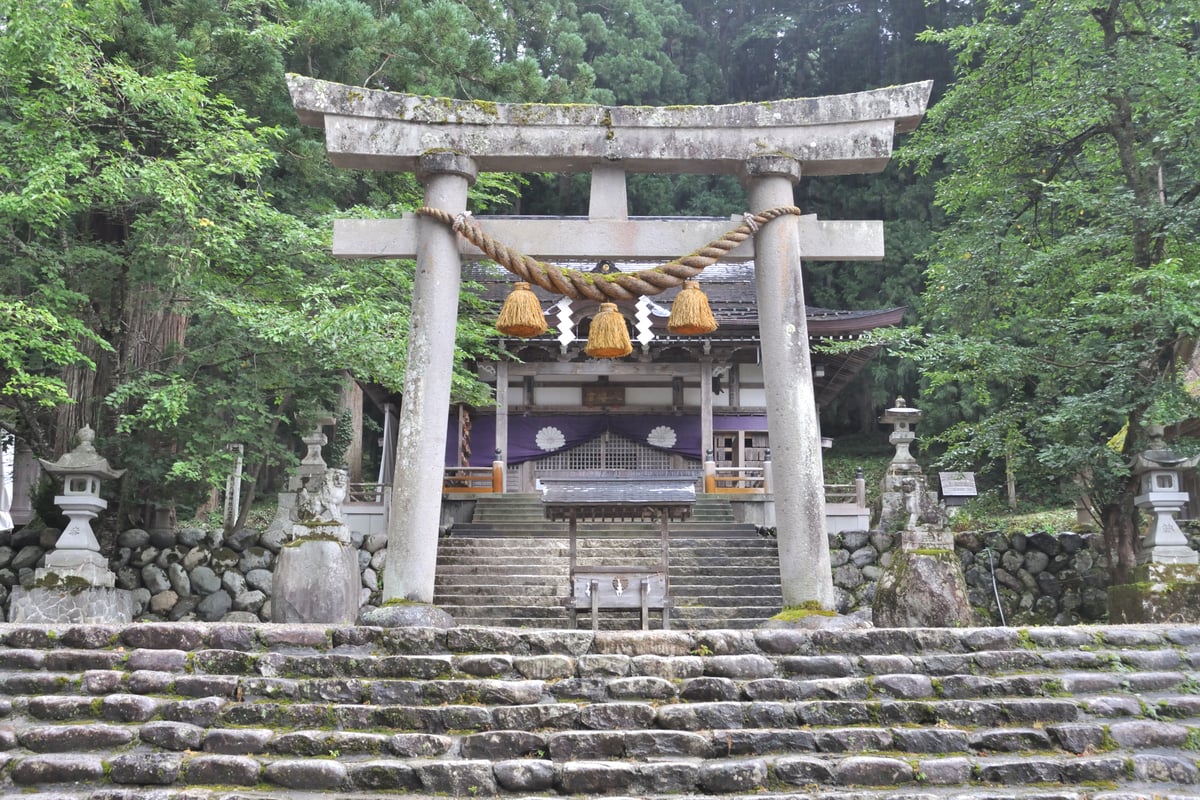
A shrine enshrined in the center of the Ogimachi village of Shirakawa-go, long revered as the village's guardian shrine. The grounds retain a gassho-zukuri ema hall (formerly a performance hall), showing an appearance distinctive of Shirakawa-go. Nationally known for the "Doburoku Festival" held each October 14-15, a rare folk tradition in which parishioners offer homemade unrefined sake (doburoku), brewed with care in thanks for the harvest, to the deities and share it with worshippers — a designated national Important Intangible Folk Cultural Property. During the festival, lion dances and folk songs are also performed and offered on the grounds, drawing large crowds. At other times, it's a quiet village guardian shrine visited by worshippers praying for safe travels and family well-being.
🚶 12 min walk from Shirakawa-go Bus Terminal
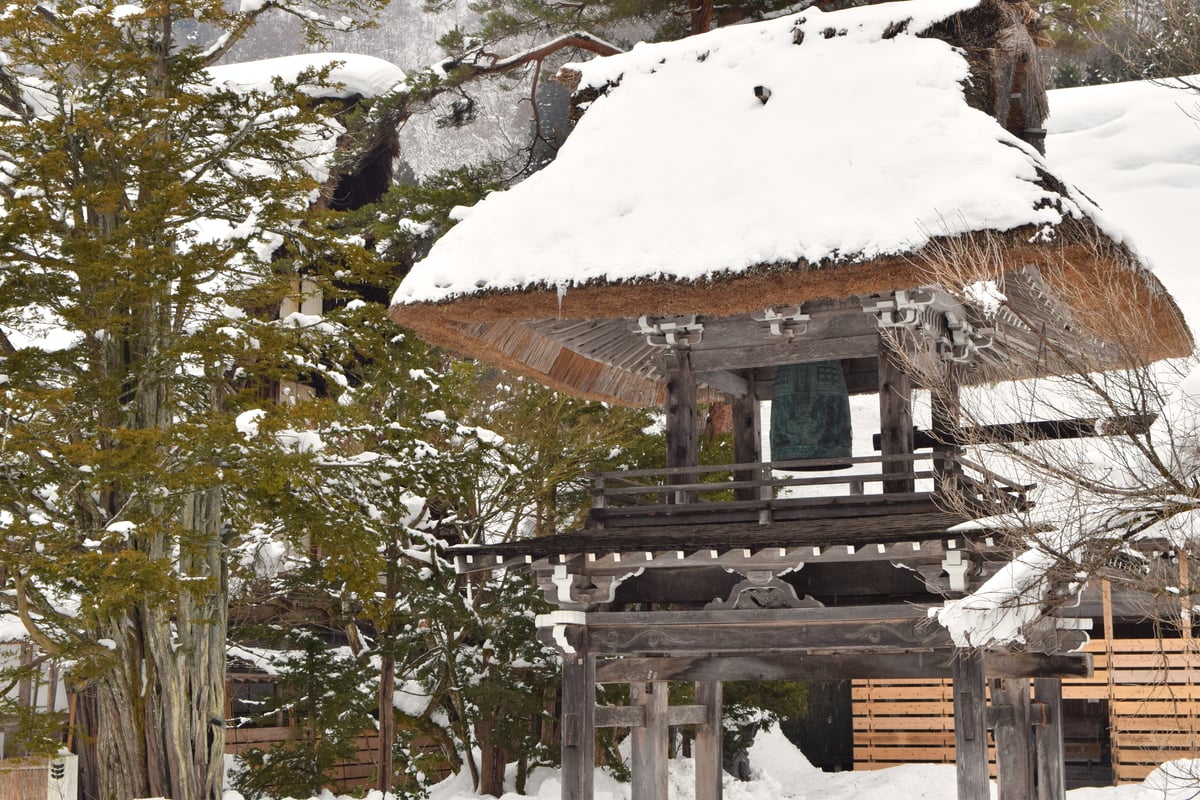
Myozen-ji Kuri
明善寺庫裡
The kuri (residential quarters) of Myozen-ji, a Jodo Shinshu (Otani-ha) temple in the Ogimachi village of Shirakawa-go, a nationally rare example of temple architecture where the main hall, bell-gate, and kuri all survive as gassho-zukuri structures. The kuri, built in 1817, is a massive five-story gassho-zukuri building whose interior is open to the public as the "Myozen-ji Kuri Folk Museum," letting visitors closely view a spacious sunken hearth room on the first floor and sericulture tools and farming implements displayed in the attic space spanning floors two through five — an intimate look at how people once lived in a gassho-zukuri house. The 1801 thatched-roof bell-gate is also a prefecturally designated cultural property, and the unique scenery blending temple architecture with gassho-zukuri construction is one of the highlights of a Shirakawa-go stroll.
🚶 10 min walk from Shirakawa-go Bus Terminal
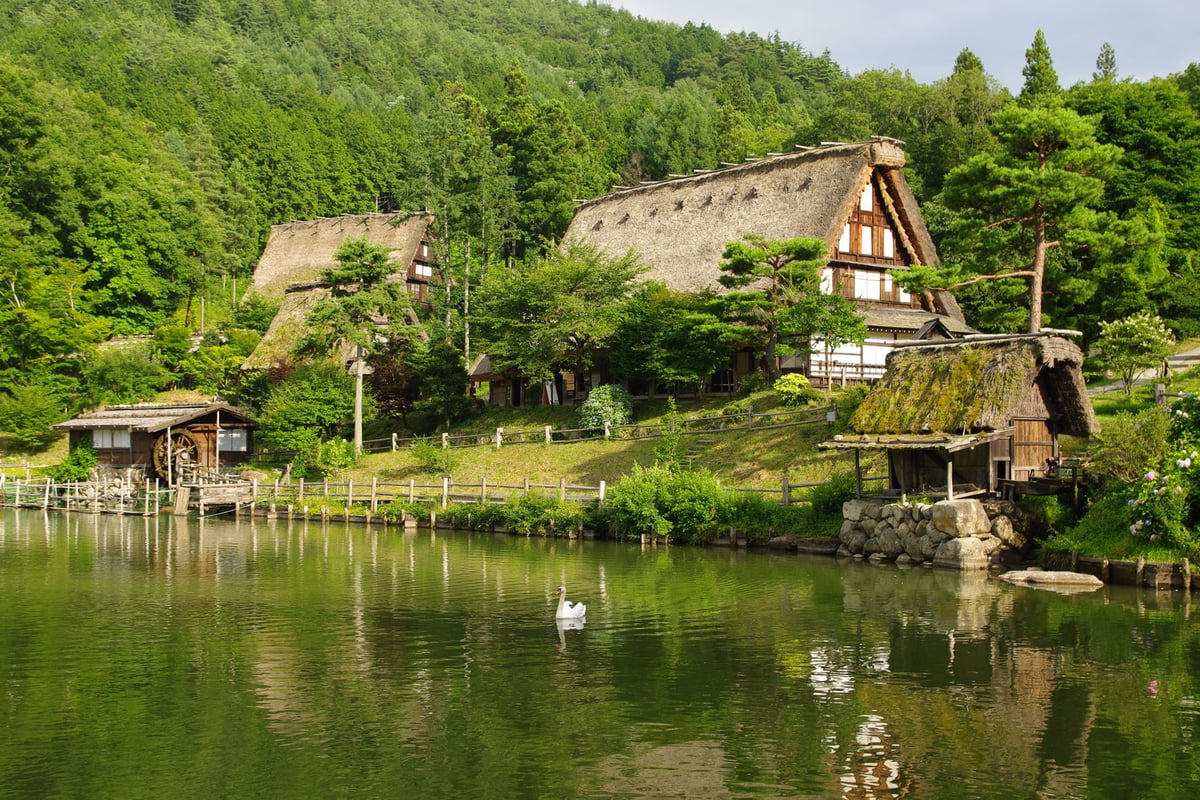
Hida Folk Village
飛騨の里
An open-air museum, "Hida no Sato" (Hida Folk Village), spread across a hillside in western Takayama. About 30 gassho-zukuri houses and storehouses from the Edo to Meiji periods, relocated and restored from across the Hida region, are arranged amid a satoyama landscape with a pond, including four buildings designated national Important Cultural Properties that visitors can enter and explore. Unlike Shirakawa-go, it's only about a 10-minute drive from central Takayama, and features hands-on workshops for weaving and plant dyeing along with exhibits on the skills of Hida's master carpenters. In winter, a fantastical illumination event lights up the frozen pond, making it popular with travelers who can't make it to Shirakawa-go but still want to experience the world of gassho-zukuri architecture.
🚶 0 min walk from JR Takayama Station
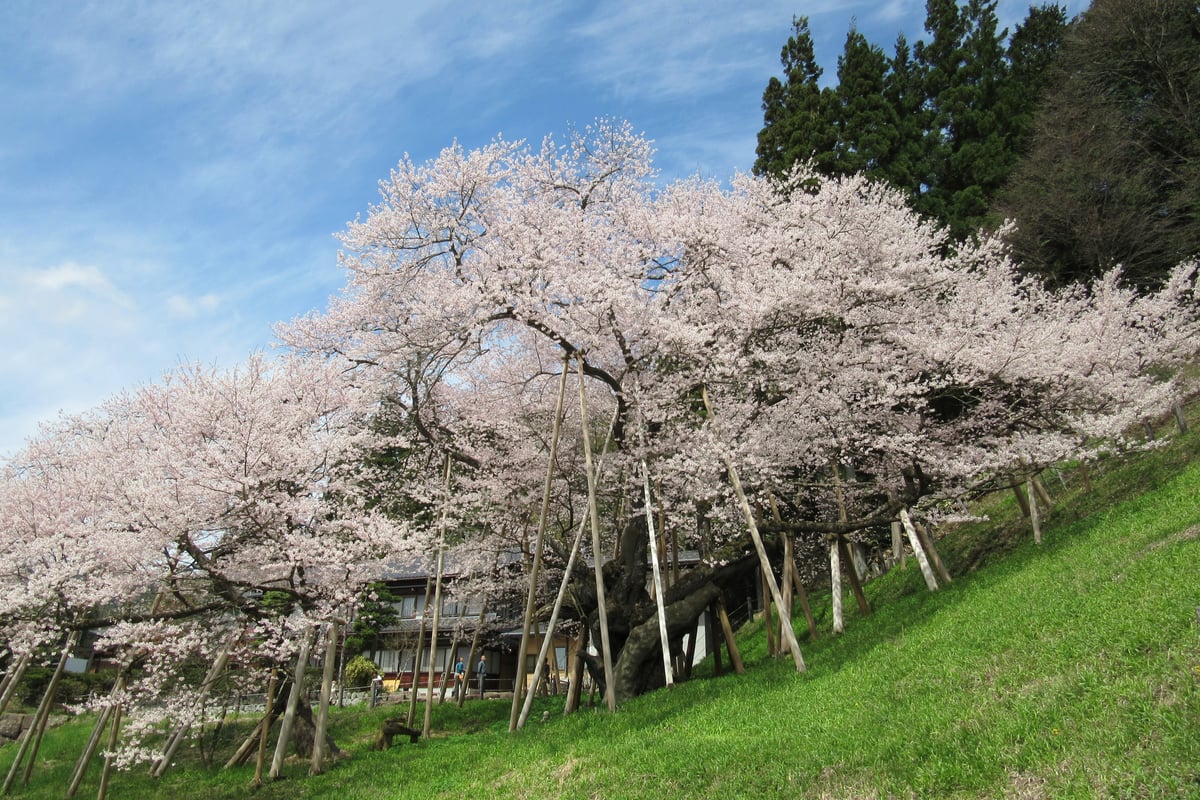
Garyu Sakura
臥龍桜
A giant Edo-higan cherry tree over 1,100 years old standing in Garyu Park in Ichinomiya-cho, Takayama. Its branches spread low and wide near the ground, with a gnarled, winding trunk resembling a crouching dragon, giving the tree its name, "Garyu Zakura" (Crouching Dragon Cherry). Designated a national Natural Monument in 1922 as one of Japan's foremost solitary cherry trees, it boasts an overwhelming branch spread of about 30 meters and a height of about 20 meters. It blooms each year from mid to late April, when the "Garyu Zakura Festival" is held with nighttime illumination.
🚶 1 min walk from JR Hida-Ichinomiya Station
