Tourist Spots
24 spots listed
Category(multiple selection allowed)
Area(multiple selection allowed)
24 results
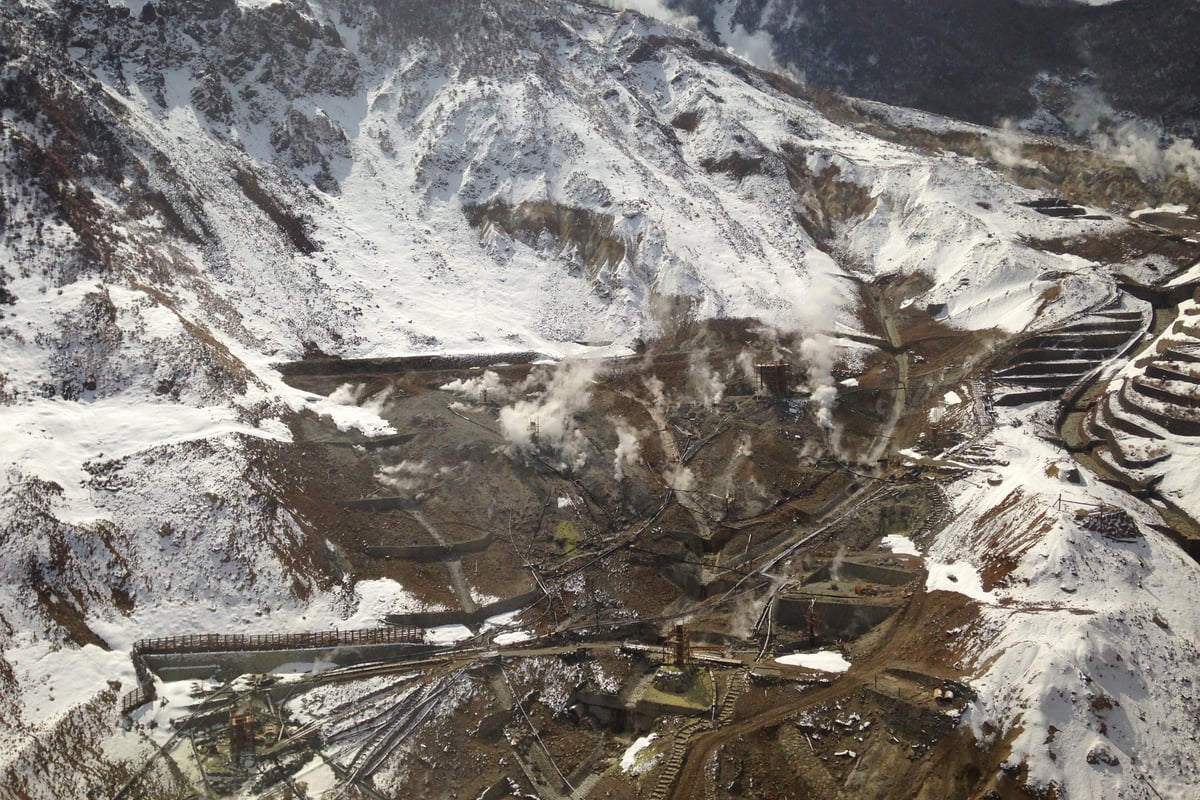
Owakudani
大涌谷
A crater formed by an explosive eruption on the northwest slope of Mt. Kami, a central cone of the Hakone volcano, from which steam still rises today. Formed by a phreatic eruption about 3,000 years ago, it was once called "Great Hell" but was renamed to its current name to mark Emperor Meiji's visit in 1873. Amid the barren volcanic landscape and drifting scent of sulfur, the local specialty "black eggs" are boiled in the heat of the hot-spring ponds, turning their shells black, and are said to add seven years to your life if you eat one. Historic sites tied to faith are also scattered about, including the Enmei Jizo statue associated with Kobo Daishi, and on clear days, Mount Fuji can be seen. As a major stop on the Hakone Ropeway, with the Owakudani Kurotamago-kan and other shops nearby, it is one of the most bustling spots in Hakone sightseeing.
🚶 1 min walk from Owakudani Station
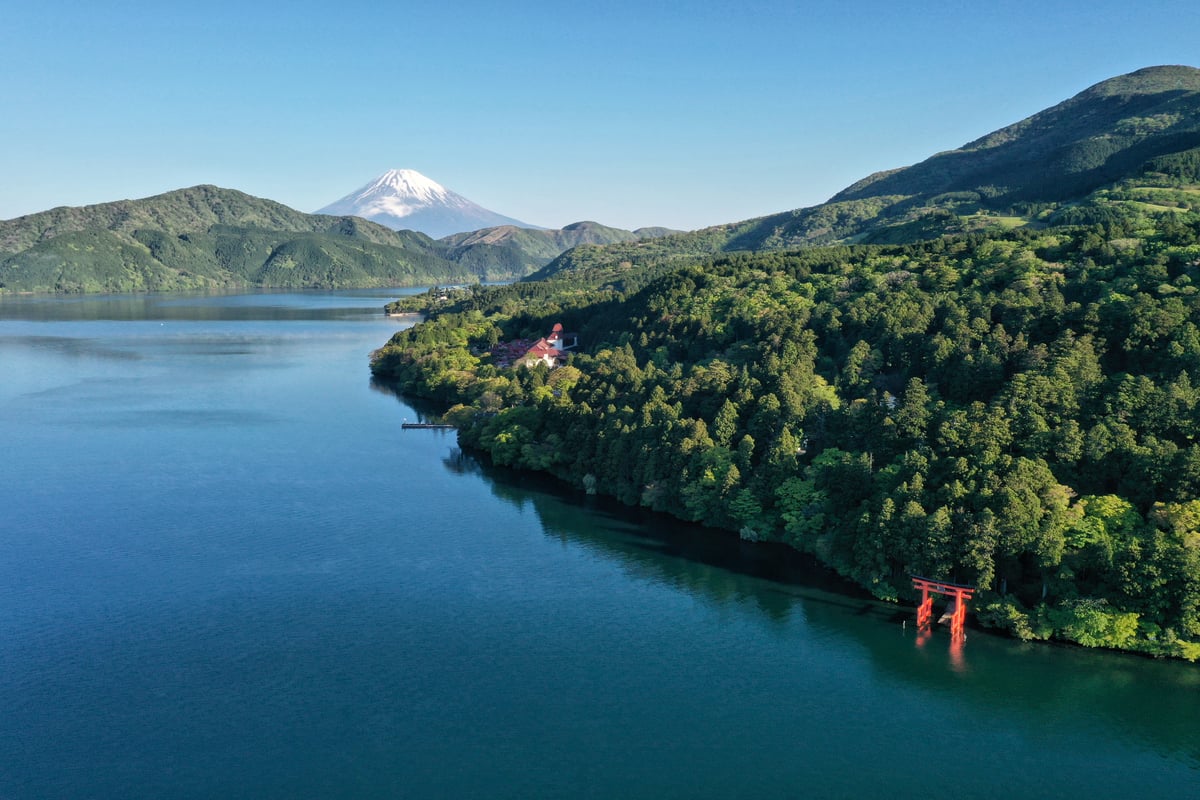
Lake Ashi
芦ノ湖
A caldera lake formed by the activity of Mt. Kami and other central cones of the Hakone volcano. With a circumference of about 18 km and an area of about 7 square km, it is Hakone's premier scenic spot, offering views of Mount Fuji from its shores under good conditions. Sightseeing boats known as the "Hakone Sightseeing Cruise" ply the lake, connecting the three ports of Togendai, Hakone-machi, and Moto-Hakone. Highlights dot the lakeshore, including Hakone Shrine's "Peace Torii," the cedar avenue of the old Tokaido road, and the site of the Hakone Checkpoint, making this a central hub of Hakone sightseeing that can be enjoyed for a full day combined with cruises, hiking, and lakeside drives. Known since ancient times as a mysterious lake with dragon-god legends, it draws many visitors year-round.
🚶 40 min walk from Hakone-Yumoto Station
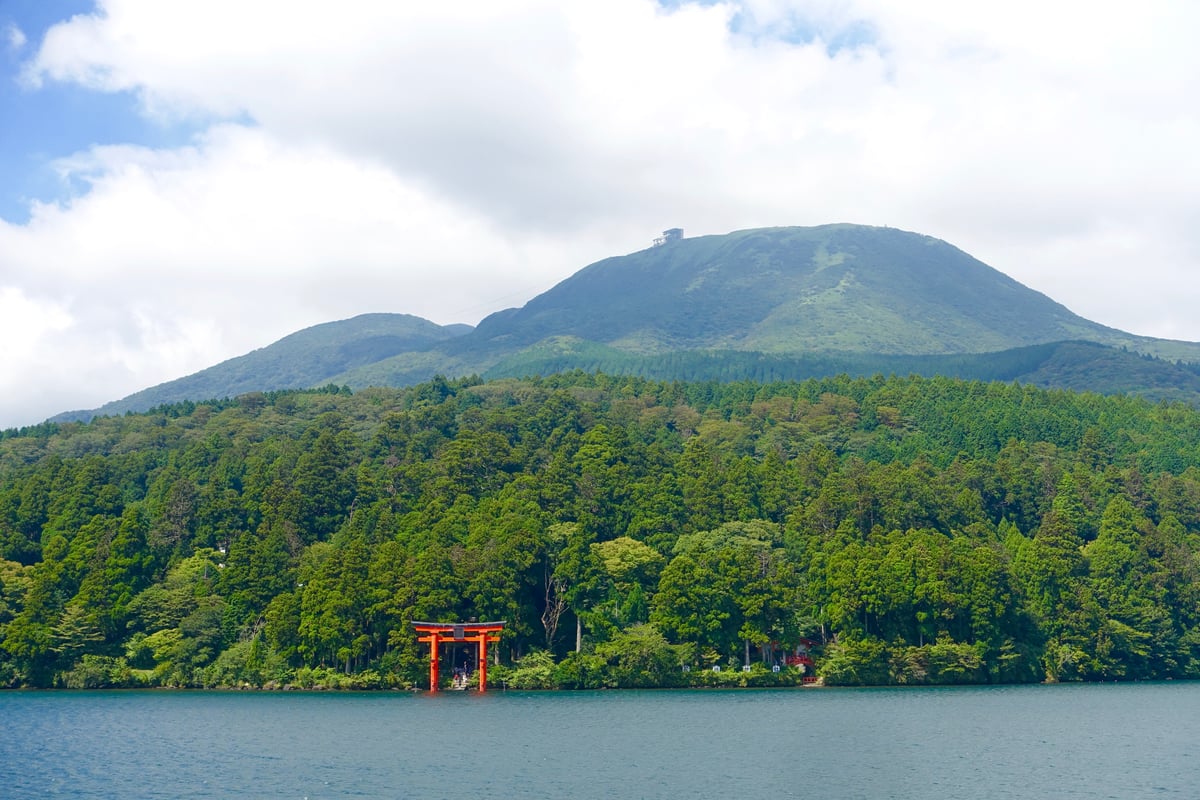
Hakone Shrine
箱根神社
Hakone's guardian shrine, said to have been founded in 757 by the priest Mangan. Long revered as the "Guardian Shrine of the Kanto Region," Hakone Daigongen, it drew deep devotion from many warlords including Minamoto no Yoritomo and Tokugawa Ieyasu, and is known for blessings of good fortune, warding off misfortune, wish fulfillment, and traffic safety. The "Peace Torii" standing at the edge of Lake Ashi is a popular photo spot that appears to float on the water, and the grounds enshrine Kuzuryu Shrine (Shingu), an auxiliary shrine deeply tied to the dragon-god legend. With a long approach lined by cedar trees hundreds of years old combined with the lakeside scenery, it is one of Hakone's foremost power spots, drawing many visitors for New Year's prayers and matchmaking wishes.
🚶 10 min walk from Hakone-Yumoto Station
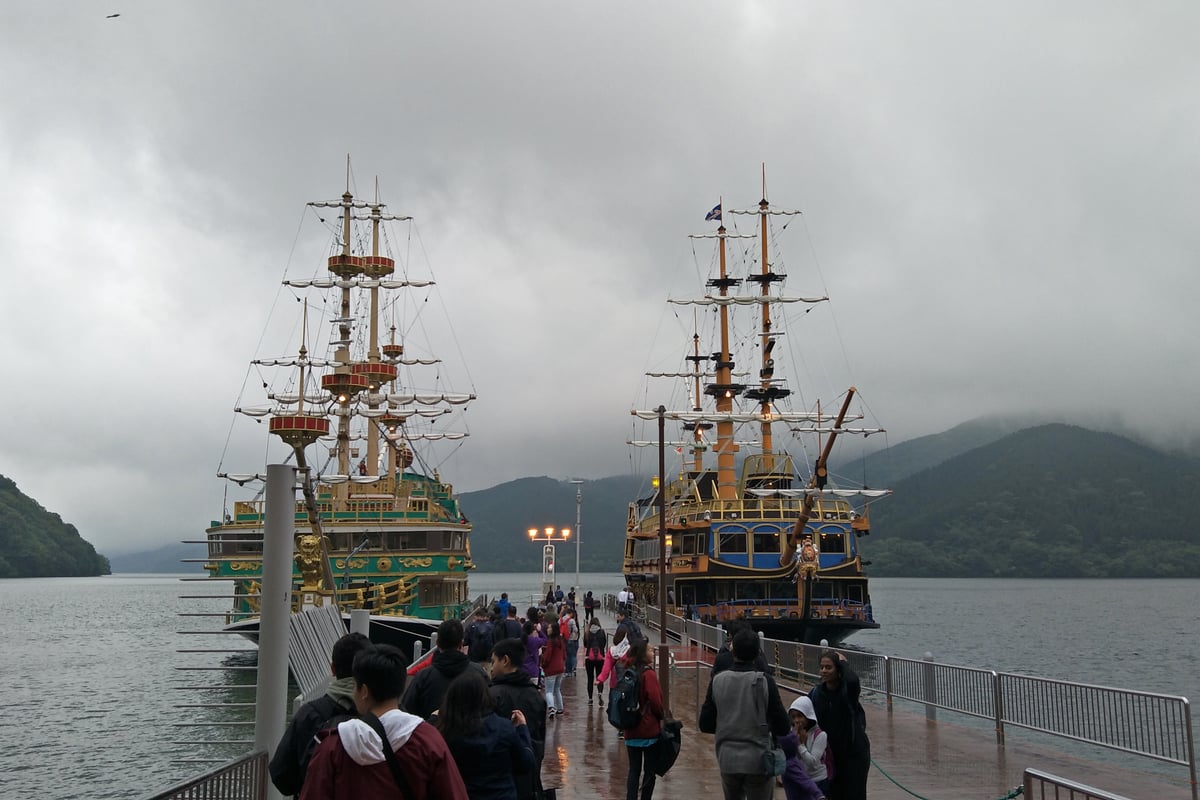
Hakone Sightseeing Cruise (Pirate Ship)
箱根海賊船
A sightseeing cruise ship on Lake Ashi, its ornate and elaborate appearance catching the eye. Connecting the three ports of Togendai, Hakone-machi, and Moto-Hakone, it's one of Hakone's signature scenic cruises, offering views from the deck of Mount Fuji, the Hakone mountains, and Hakone Shrine's vermilion torii on the lakeshore. Three ships modeled on 18th-century sailing vessels — the Queen Ashinoko, Royal II, and Victory — are in service, and the roughly 25- to 40-minute one-way routes also serve as a convenient way to travel between the Owakudani/Togendai area and the Moto-Hakone/Hakone-machi area. Combined with the Hakone Ropeway, visitors can complete a full loop from Owakudani to the shores of Lake Ashi using only vehicles.
🚶 40 min walk from Hakone-Yumoto Station
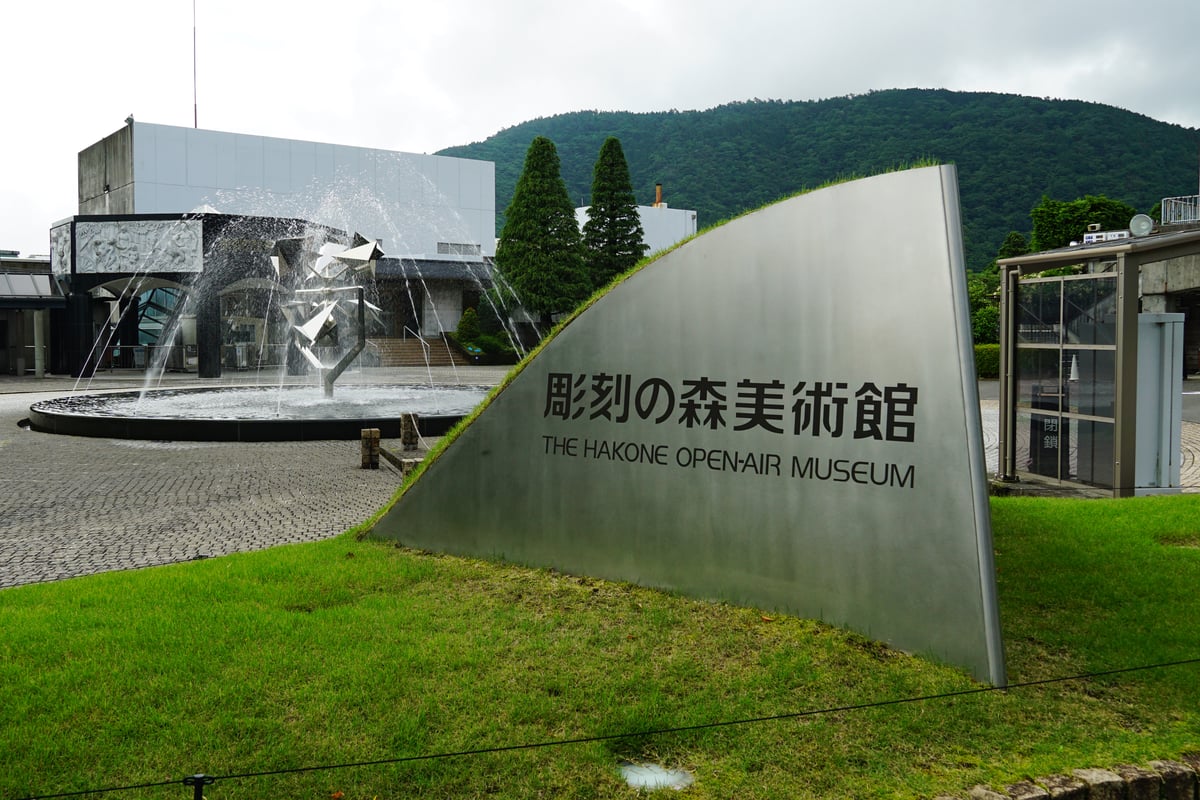
Hakone Open-Air Museum
彫刻の森美術館
Opened in 1969 as Japan's first open-air museum. Set on expansive grounds surrounded by Hakone's nature, it displays about 120 outdoor sculptures by Japanese and international artists including Henry Moore and Rodin. Highlights include the "Picasso Pavilion," gathering the painter's paintings and ceramic works, the stained-glass tower "Symphonic Sculpture," and a foot bath where visitors can soak their feet while admiring the art — a unique viewing experience blending art and nature. It's a two-minute walk from Chokoku-no-Mori Station on the Hakone Tozan Railway, making access easy.
🚶 2 min walk from Chokoku-no-Mori Station
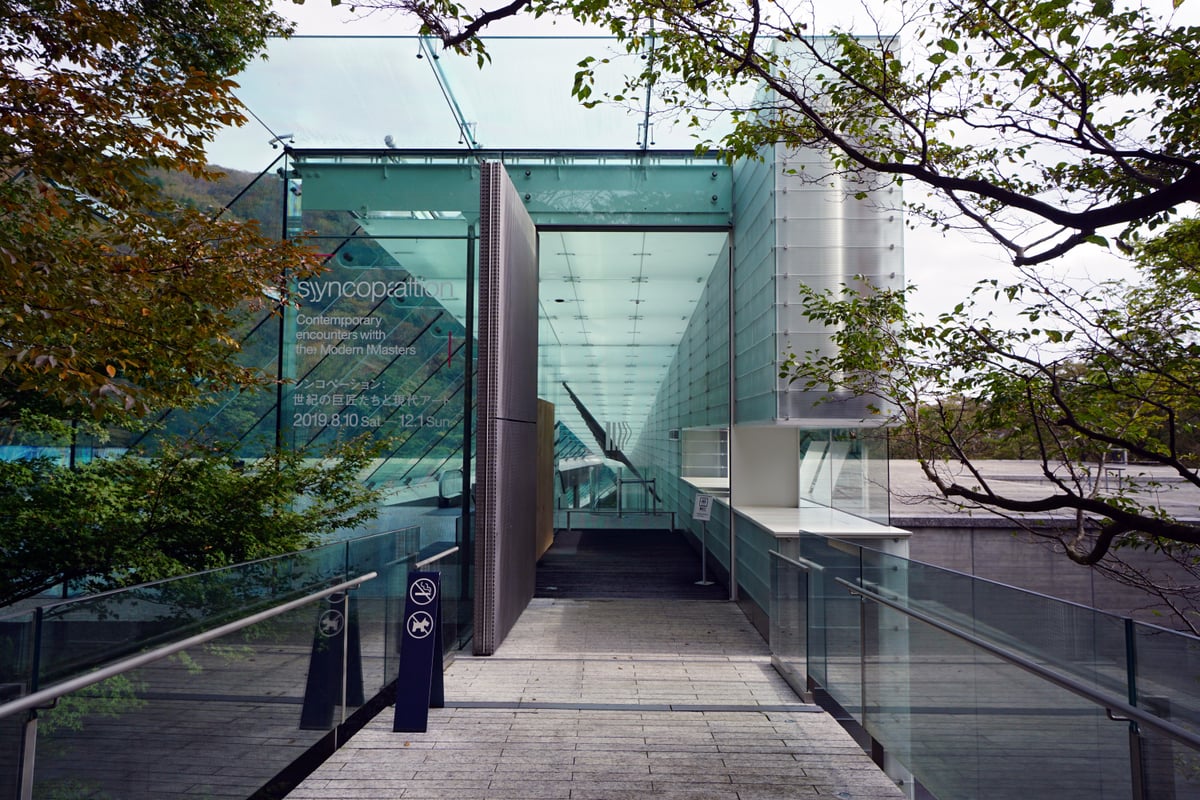
Pola Museum of Art
ポーラ美術館
A museum in the rich forest of Sengokuhara, designed with an underground structure to harmonize with the natural surroundings. It houses a collection of about 10,000 works, gathered over more than half a century by the cosmetics maker Pola, ranging from French Impressionism to modern Japanese painting, allowing visitors to view works by masters such as Monet, Renoir, and Picasso. Highlights include the open, glass-walled architecture and the "Forest Promenade," a walking trail through the woods, making this one of Hakone's leading museums where visitors can enjoy art and nature at once.
🚶 8 min walk from Gora Station
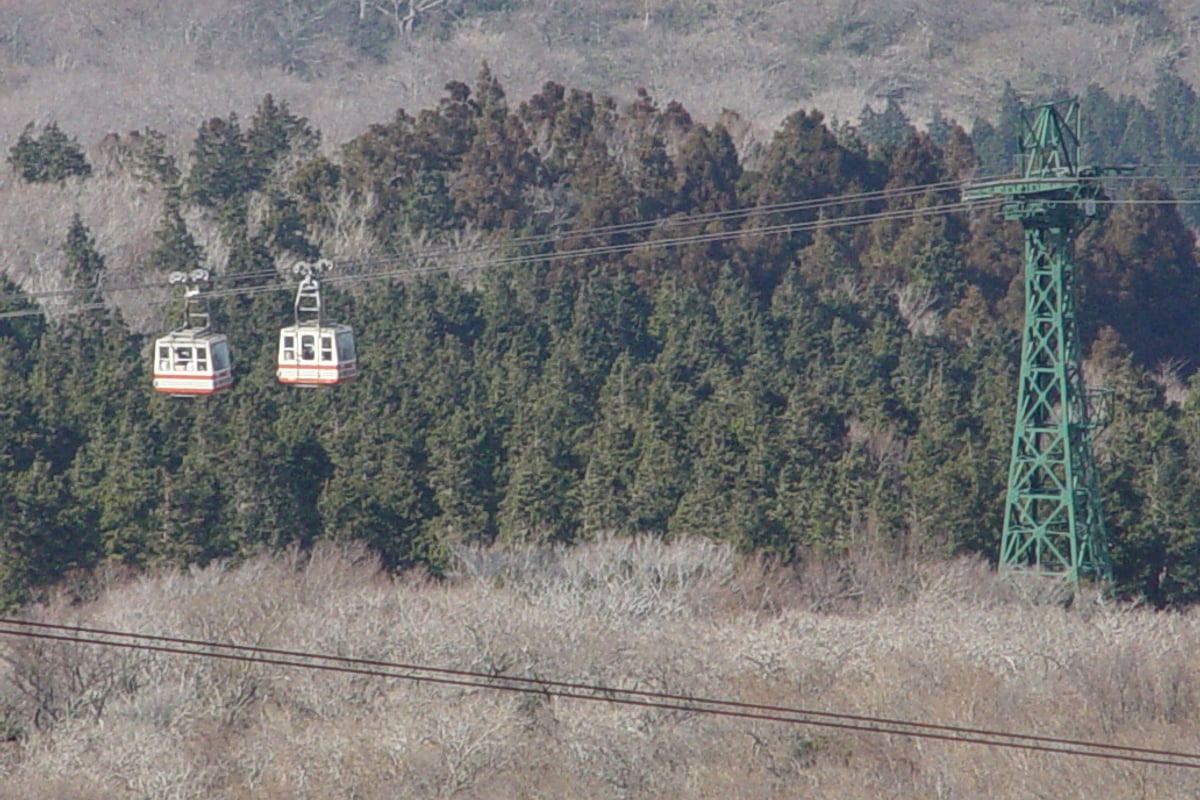
Hakone Ropeway
箱根ロープウェイ
An aerial ropeway roughly 4 km long connecting Sounzan and Togendai stations. It links four stations, including Owakudani and Ubako along the way, at roughly one-minute intervals, and riding it end to end offers about 30 minutes of aerial sightseeing. Between Sounzan and Owakudani, passengers look down on the rugged crater-floor landscape below, while between Owakudani and Togendai, a grand panorama of Mount Fuji and Lake Ashi unfolds — making the Hakone Ropeway itself one of the highlights of a Hakone visit. Combined with the Hakone Tozan Cable Car and the Hakone Sightseeing Cruise, visitors can complete a loop from Hakone-Yumoto to the shores of Lake Ashi using only public transportation. Service may be suspended in strong winds, so checking operating status in advance is recommended.
🚶 5 min walk from Gora Station
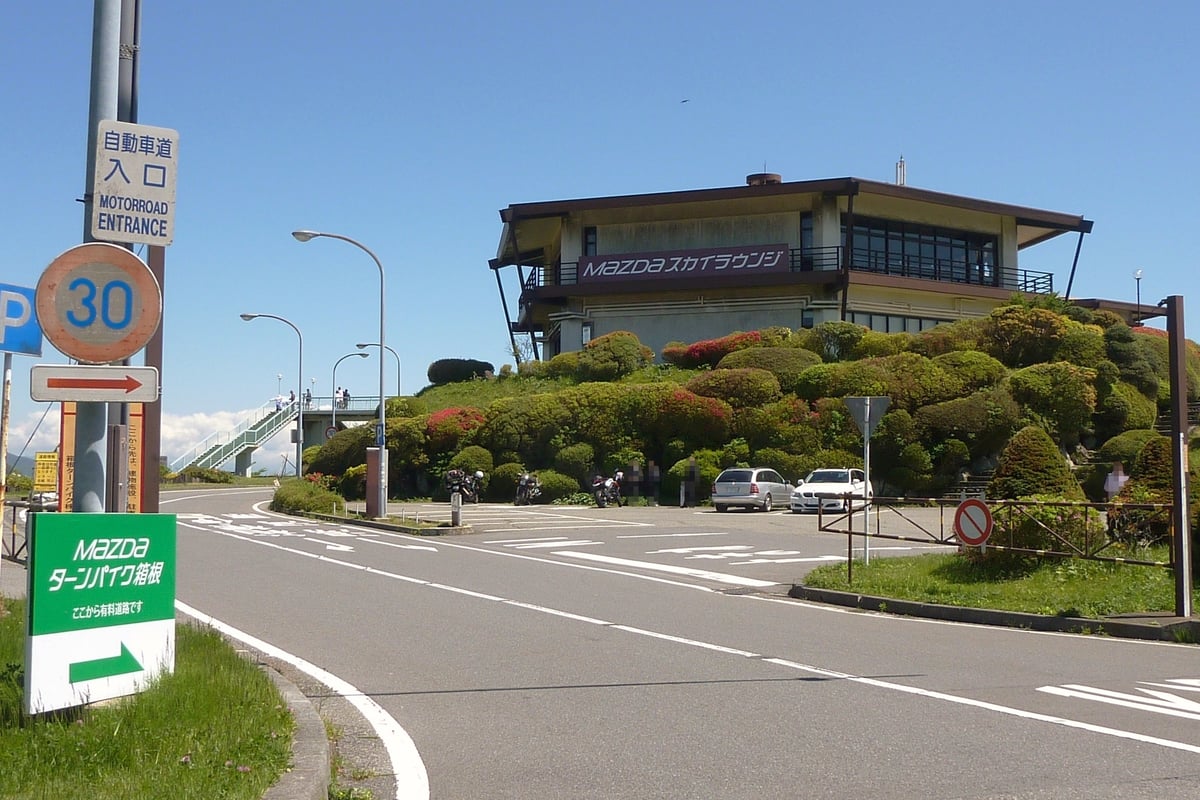
Daikanzan
大観山
A scenic viewpoint at 1,011 meters elevation on the border between Yugawara and Hakone towns. Known as one of Hakone's premier spots for viewing Mount Fuji, with the great panorama placing Lake Ashi in the foreground, it also offers views on clear days of central cones like Mt. Komagatake, the outer rim mountains including Mt. Kintoki, and, further afield, Izu Oshima and the Boso Peninsula across Sagami Bay. At the summit sits a rest house and sky lounge marking the end of the Anest Iwata Turnpike Hakone toll road, where visitors can dine or rest at a cafe or restaurant while taking in the view, and ample parking has long made it a favorite destination for drivers and motorcycle tourers. Dawn brings an especially magical sight when a sea of clouds forms.
🚶 50 min walk from Odawara Station
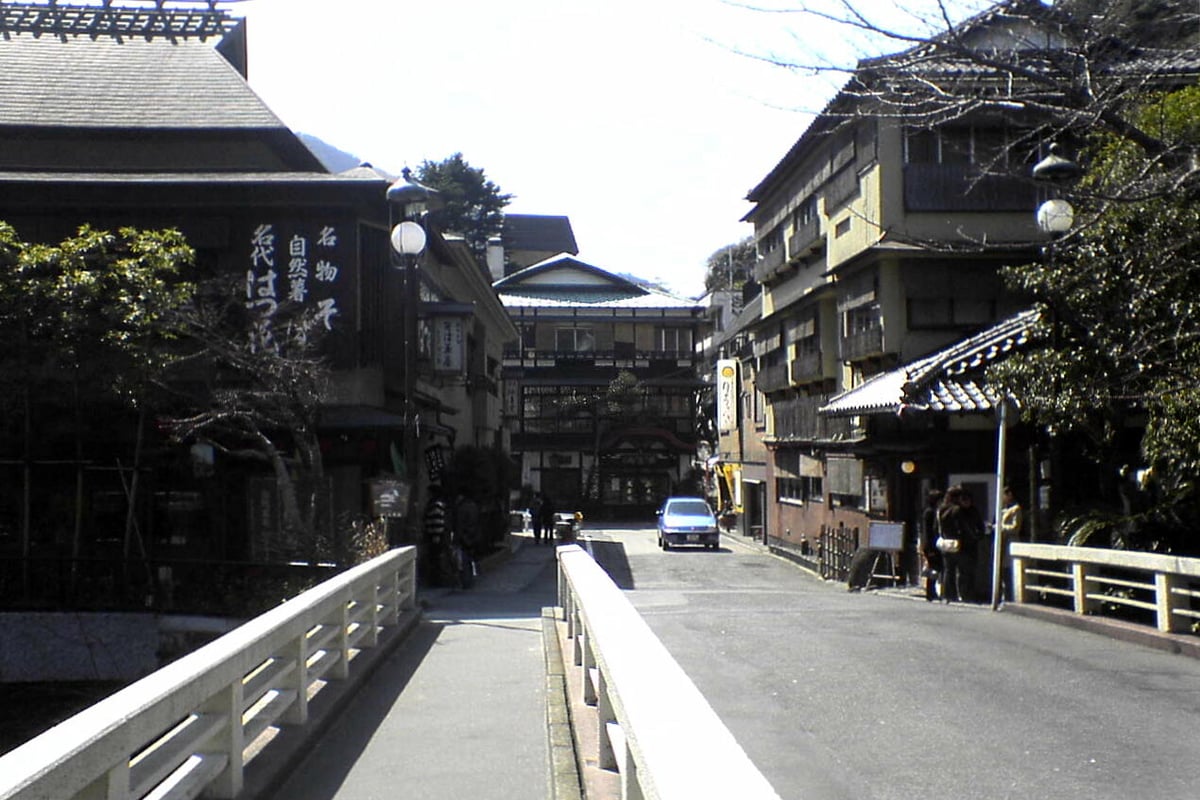
Hakone-Yumoto Onsen Town
箱根湯本温泉街
The hot-spring town spreading around Hakone-Yumoto Station, the terminus of the Hakone Tozan Railway and Odakyu Romancecar, and the gateway to Hakone sightseeing. Along the gorge where the Hayakawa and Sukumogawa rivers meet, venerable inns, day-trip hot-spring facilities, souvenir shops, and street-food stalls line the streets, part of a tradition dating to the Edo period as one of the Seven Hot Springs of Hakone. The shopping street in front of the station offers Hakone souvenirs such as hot-spring manju buns, kamaboko fish cake, and local sake, while highlights including the vermilion-lacquered "Ajisai Bridge" over the Hayakawa River and Soun-ji, an old temple associated with Hojo Soun, dot the area, making it an area enjoyable simply for strolling. With access of about 85 minutes from Shinjuku via the Romancecar, it's also popular as a base for day trips.
🚶 1 min walk from Hakone-Yumoto Station
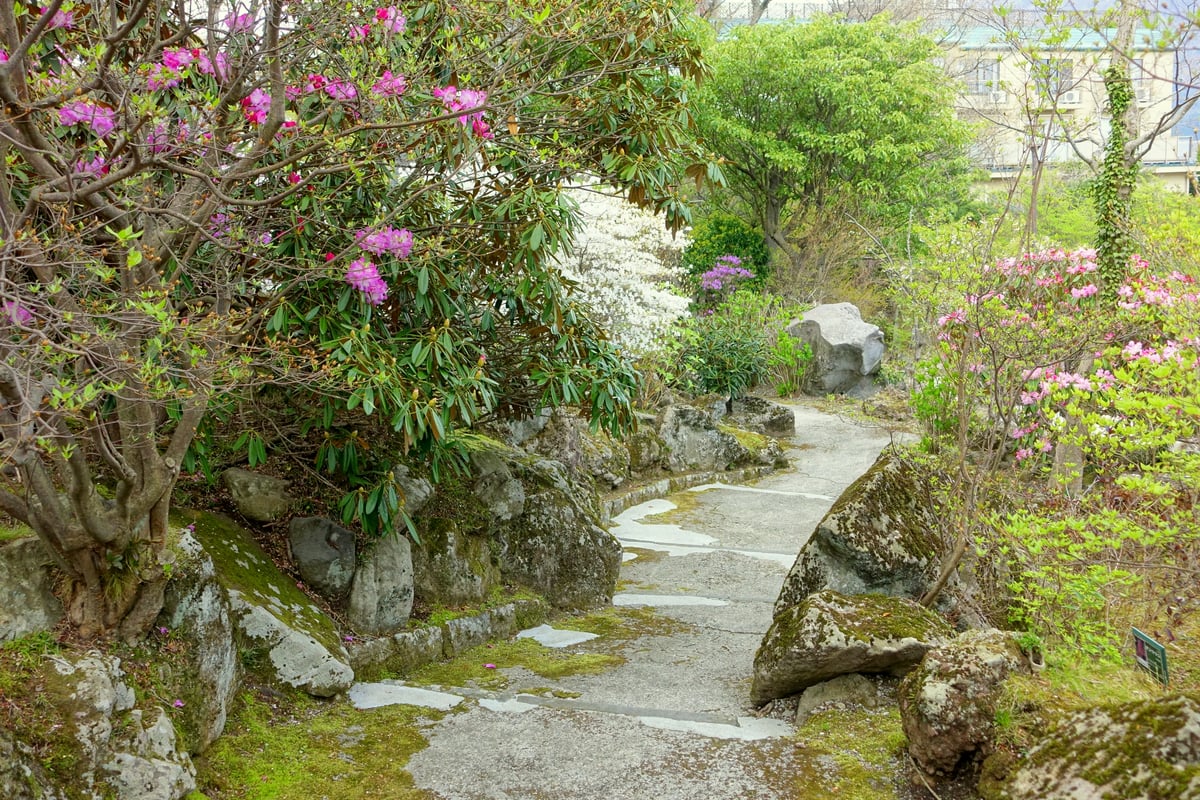
Gora Park
強羅公園
Opened in 1914, this is Japan's oldest French-style formal garden. Centered on a symmetrically arranged fountain plaza, it features a rose garden, tea house, tropical botanical garden, and rock garden, with cherry blossoms, azaleas, hydrangeas, roses, and other flowers to enjoy through the seasons. The grounds also house the Hakone Craft House, where visitors can try pottery, glassblowing, and dragonfly-bead making, making this a popular spot for combining a garden stroll with hands-on art experiences.
🚶 10 min walk from Gora Station
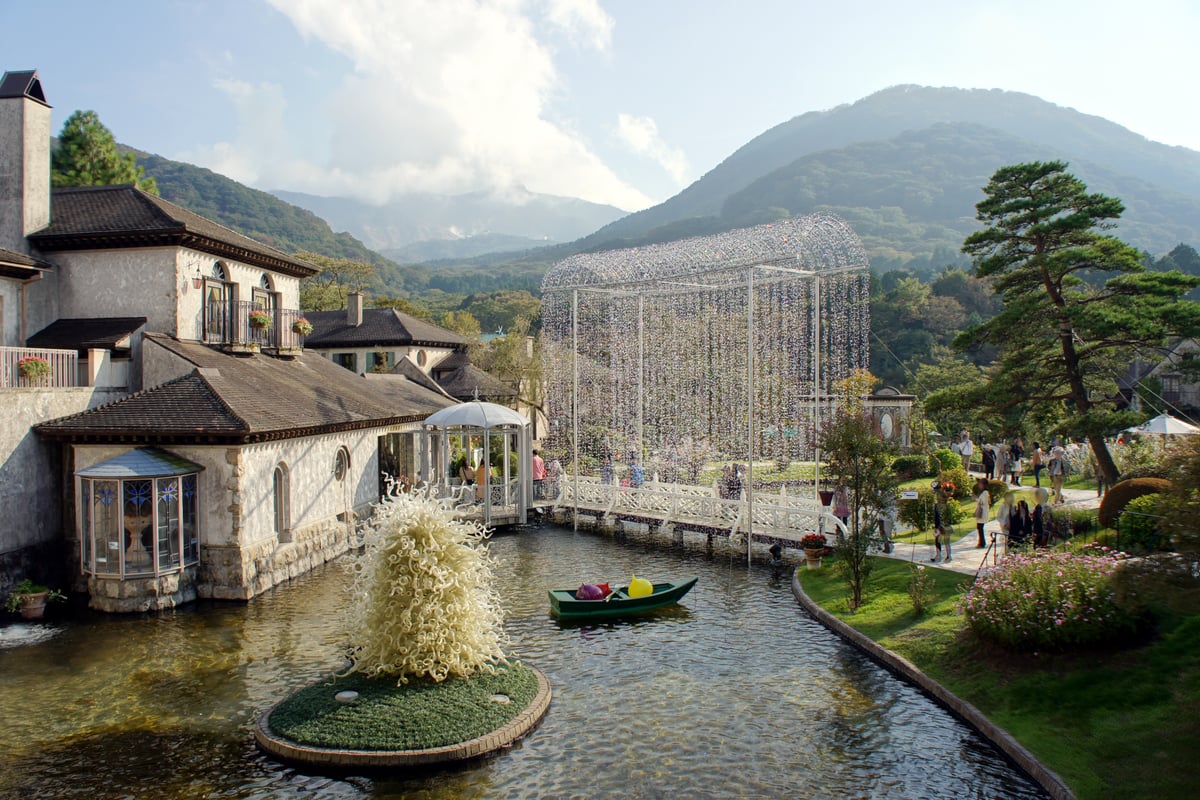
Hakone Glass Forest Museum
箱根ガラスの森美術館
Japan's first museum dedicated to Venetian glass, set on lush grounds in Sengokuhara. It consists of two buildings: the Venetian Glass Museum, displaying precious 15th- and 16th-century Venetian glass, and the Modern Glass Museum, introducing a wide range of contemporary glass art. The outdoor garden features a walking path where flowers of every season compete with glass artworks, including the "Corridor of Light," sparkling with about 160,000 crystal beads. With views of Owakudani from the garden combined with the beauty of glass craftsmanship, it's one of Hakone's leading art destinations.
🚶 25 min walk from Hakone-Yumoto Station
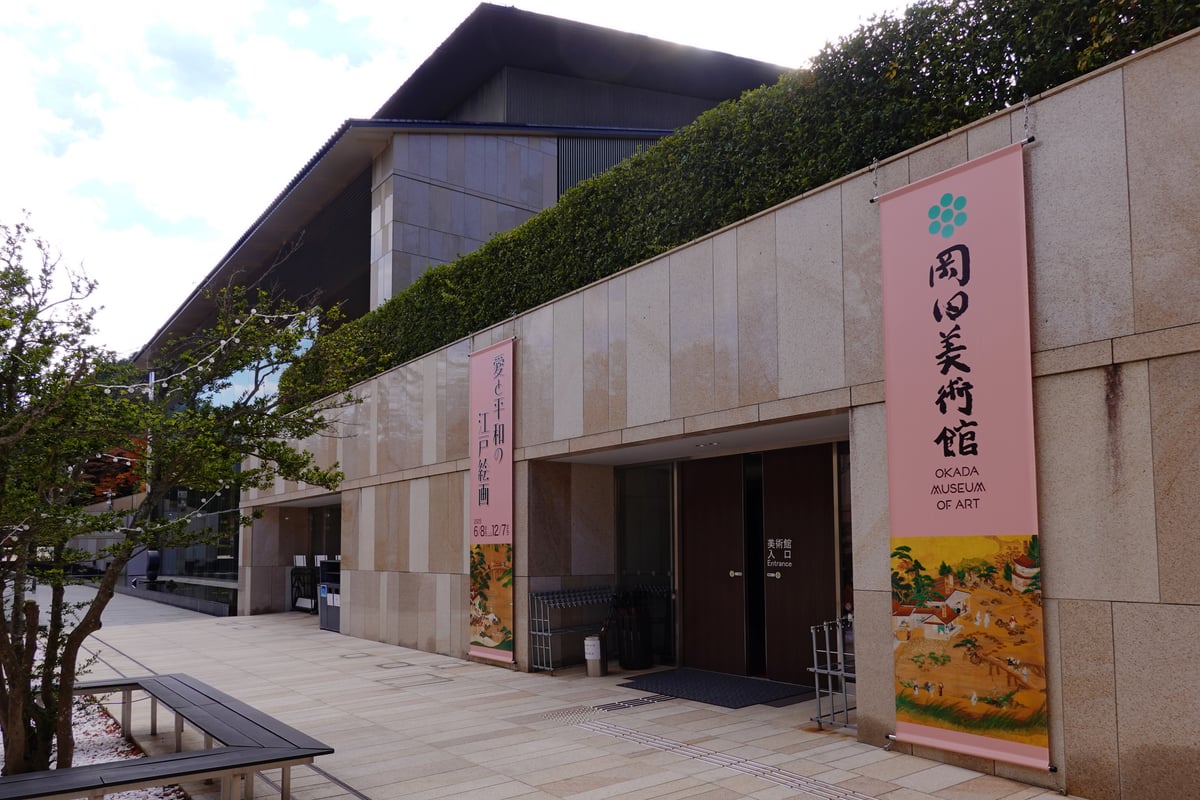
Okada Museum of Art
岡田美術館
A large-scale museum standing on a hilltop in Kowakidani, centered on ancient Japanese and East Asian art. It displays a permanent collection of about 450 masterpieces spanning a wide range of periods and fields, from Jomon-period earthenware to early modern and modern Japanese paintings and Chinese and Korean ceramics and Buddhist statues. The vast mural "Wind and Time," 12 meters tall and 30 meters wide, decorating the front exterior wall, is breathtaking in scale, and a foot bath fed by natural spring water sits at its base. A roughly 15,000-square-meter strolling Japanese garden is another highlight, letting visitors enjoy both art appreciation and a garden stroll — one of Hakone's leading museums.
🚶 20 min walk from Hakone-Yumoto Station
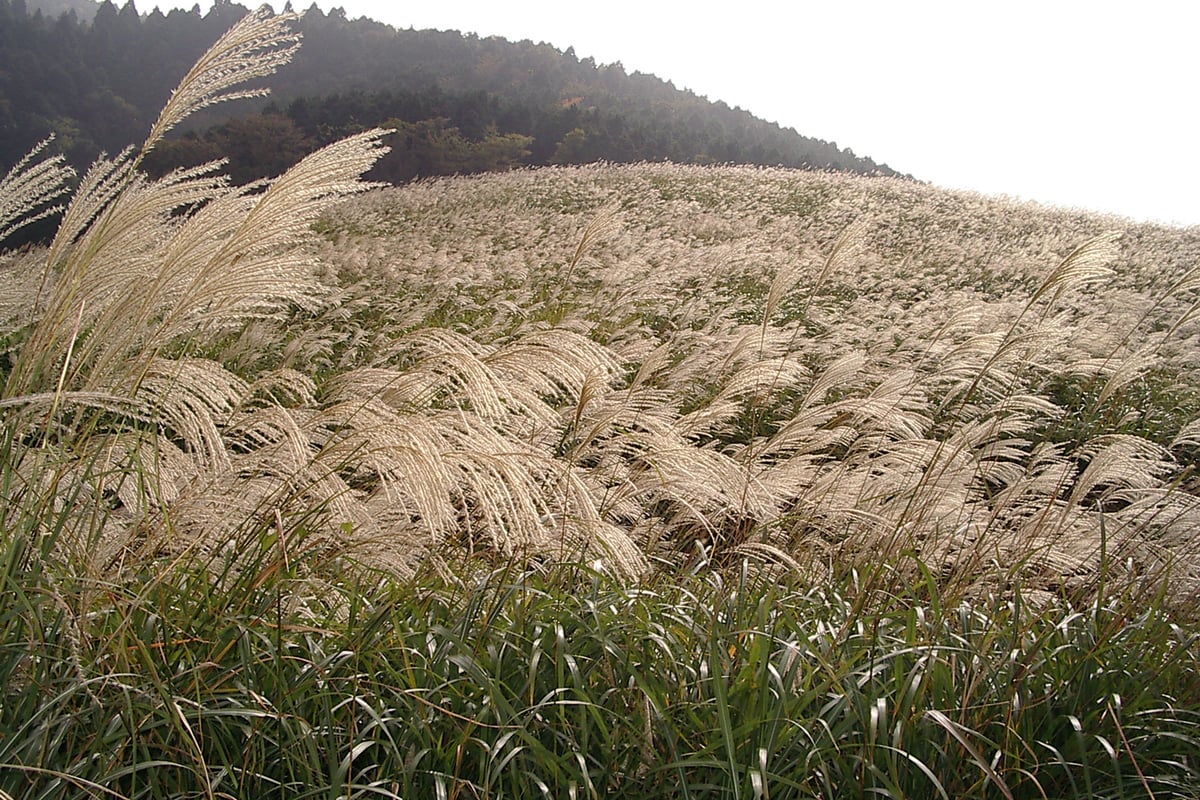
Sengokuhara Susuki Grass Field
仙石原すすき草原
Hakone's premier silver-grass (susuki) destination, spreading across the slopes of Mt. Daigatake. Selected as one of the "50 Scenic Views of Kanagawa" and one of "Kanagawa's 100 Flower Spots," the field turns from silver to golden hues in autumn as it fills with susuki plumes. A roughly 700-meter walking path runs through the center of the field, letting visitors walk among the waves of susuki in about 30 minutes round trip. Framed by the Sengokuhara mountain range, the grand scenery is easy to visit en route to Nikko or Gora, making it one of the highlights of an autumn visit to Hakone.
🚶 33 min walk from Hakone-Yumoto Station
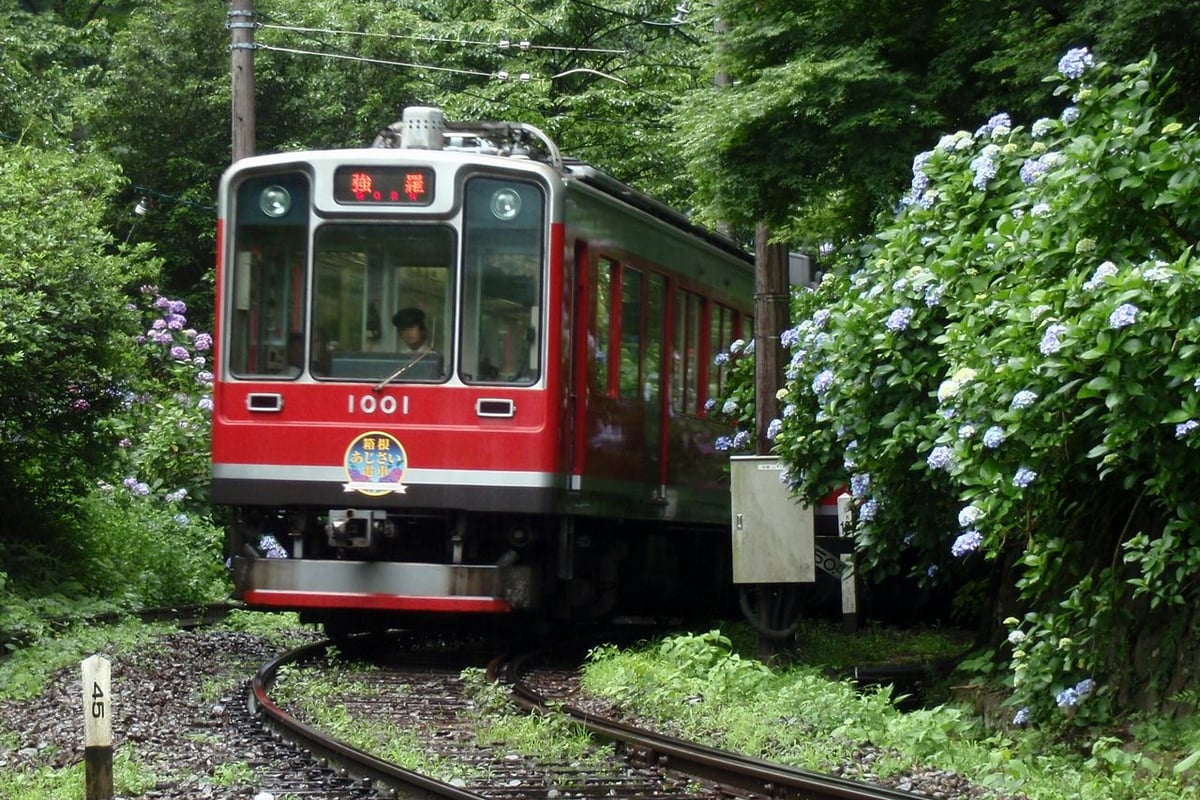
Hakone Tozan Railway
箱根登山鉄道
A historic mountain railway opened in 1919, connecting Hakone-Yumoto and Gora stations. Over its 8.9-km length, it includes three switchback sections and climbs Japan's steepest gradient for an adhesion-type railway, at 80 per mille. Highlights along the line for railway enthusiasts include the British-built truss bridge "Deyama Tekkyo" (Hayakawa Bridge), erected in 1887, and a triple-rail track where standard and narrow gauges coexist, and from mid-June to early July, hydrangeas lining the route fill the windows, earning it the nickname the "Hydrangea Train." The train windows also offer views of gorge scenery and hot-spring towns, and the railway journey itself has become part of the pleasure of visiting Hakone as the standard way to travel from Hakone-Yumoto toward Gora and Sengokuhara.
🚶 0 min walk from Hakone-Yumoto Station
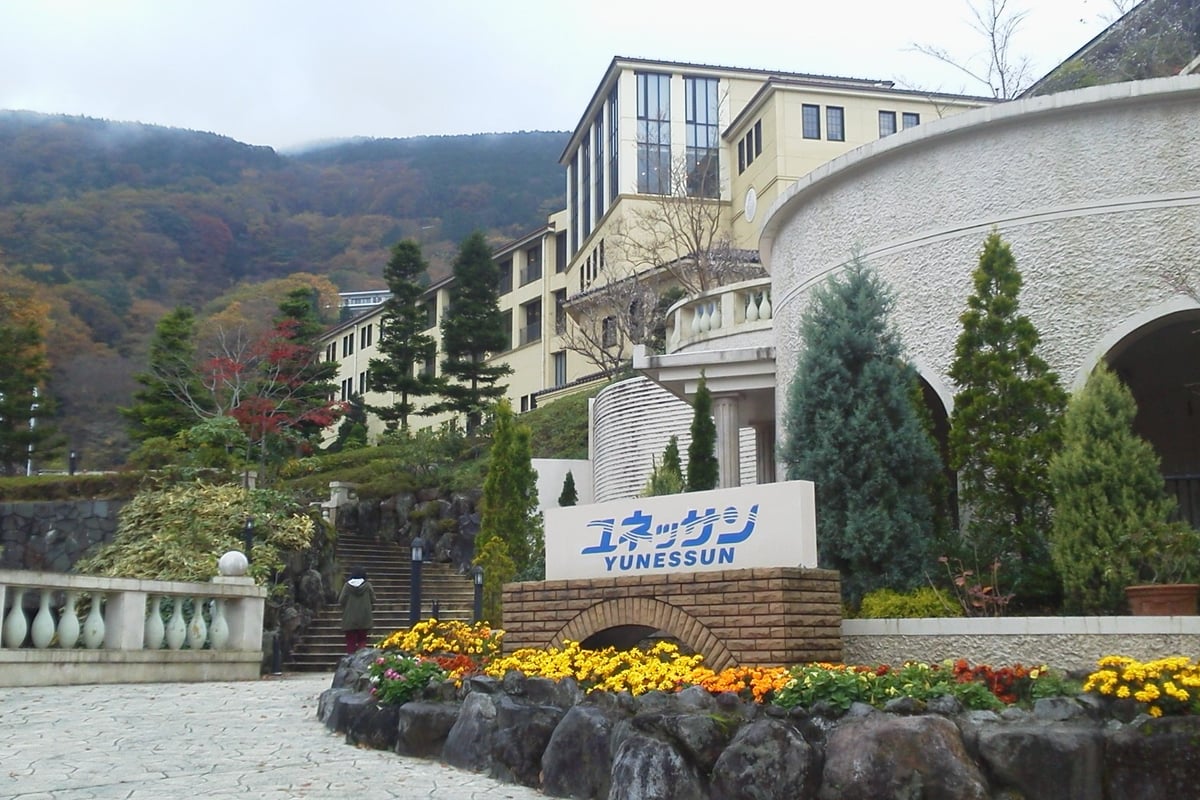
Hakone Kowakien Yunessun
箱根小涌園ユネッサン
A leading hot-spring leisure facility in Hakone, made up of two areas: "Yunessun," a swimsuit-required hot-spring theme park, and "Mori no Yu," its counterpart for bathing in the traditional nude style. Yunessun, popular with families, features unique themed baths such as wine, coffee, and green tea baths, along with Hakone's only water slide and lazy river. Mori no Yu, by contrast, offers a quiet soak in outdoor baths surrounded by trees. Being able to experience these two contrasting hot-spring styles in one location is the facility's greatest appeal.
🚶 19 min walk from Hakone-Yumoto Station
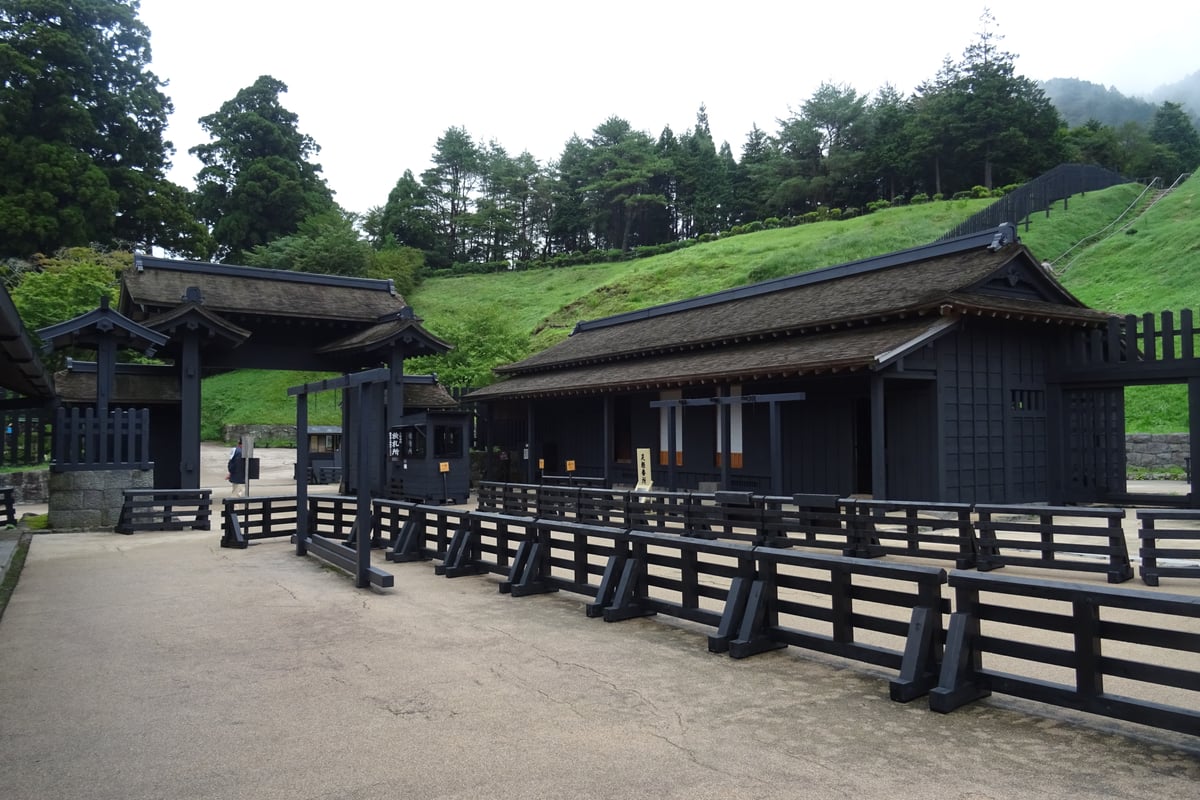
Hakone Checkpoint
箱根関所
A historic site reconstructed to its Edo-period appearance based on old illustrations and archaeological surveys, marking the checkpoint the Edo shogunate established in 1619 at Hakone, a key point on the Tokaido road. Known for enforcing the strict "guns in, women out" policy, it played an important role in defending Edo for 253 years. Buildings including the main guardhouse, officers' rest quarters, foot-soldier station, and jail have been rebuilt in their original positions, while the adjacent Hakone Checkpoint Exhibition Hall introduces the checkpoint's history along with old documents and tools actually used there. Standing on the shore of Lake Ashi, it also offers views of the lake and Mount Fuji through the checkpoint grounds.
🚶 42 min walk from Hakone-Yumoto Station
Onshi-Hakone Park
恩賜箱根公園
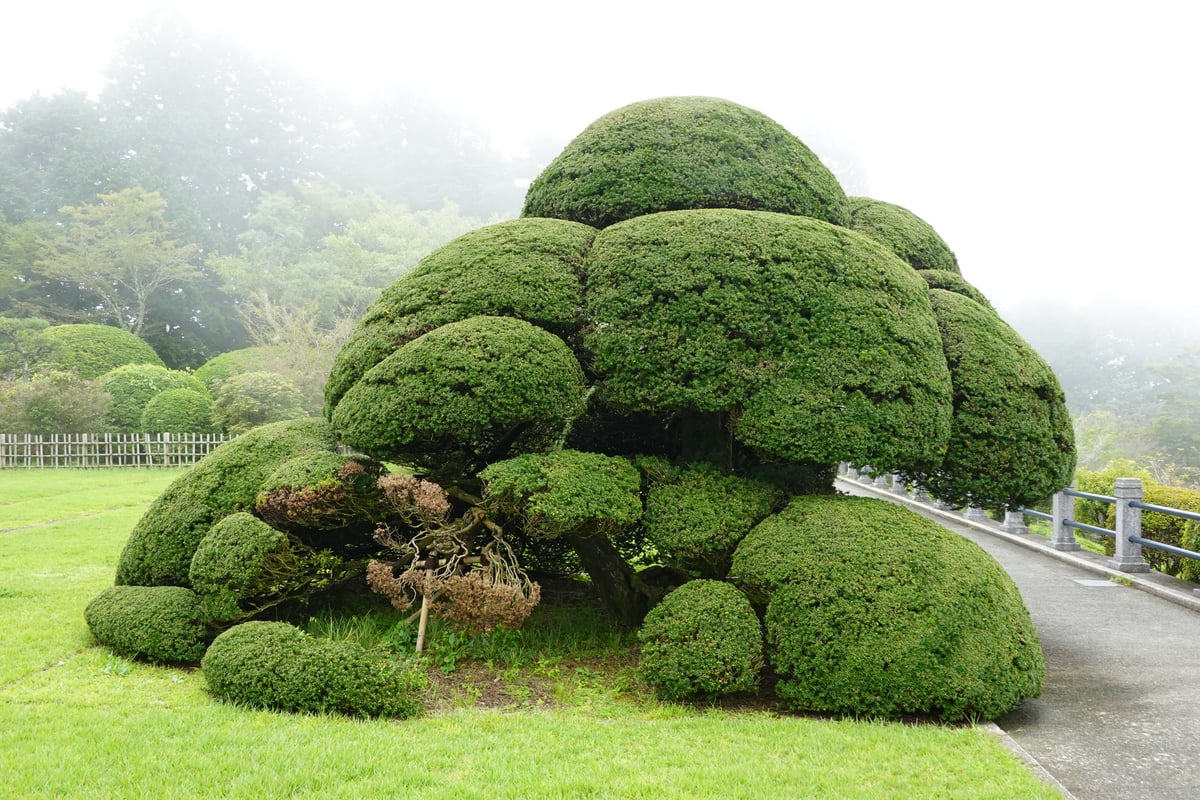
A prefectural park spread across the Goshogasaki peninsula, jutting into Lake Ashi. Developed on the former site of the "Hakone Detached Palace," built during the Meiji era as a venue for the imperial family's summer retreats and receiving foreign guests, it opened to the public in 1946. Most of the original buildings were lost in the 1930 North Izu earthquake, but a lush garden and lakeside promenade remain today, offering a view — selected as one of the "50 Scenic Views of Kanagawa" — of Mount Fuji ahead and Lake Ashi below. The park's symbol, the Lakeside Observation Pavilion, displays historical materials and photographs from the era of the detached palace.
🚶 33 min walk from Hakone-Yumoto Station

Moto-Hakone Stone Buddha Group
元箱根石仏群
A group of stone Buddhas and pagodas said to have begun being carved around 1293 (Einin 1), in the late Kamakura period. Along the shore of Shojin Pond by the old Tokaido road, they include the 3.2-meter-tall seated statue of Jizo Bosatsu known as "Rokudo Jizo," a group of cliff-carved reliefs called the "Twenty-Five Bodhisattvas," and a hoky-oin pagoda said to mark the grave of Tada Mitsunaka — a valuable historic site designated a national Historic Site and Important Cultural Property. During the Edo period, the site became associated with the popular kabuki and joruri story of the "Soga Brothers," and it has long been cherished both as an object of travelers' devotion and as a famous spot along the highway.
🚶 40 min walk from Hakone-Yumoto Station
Hakone-en
箱根園
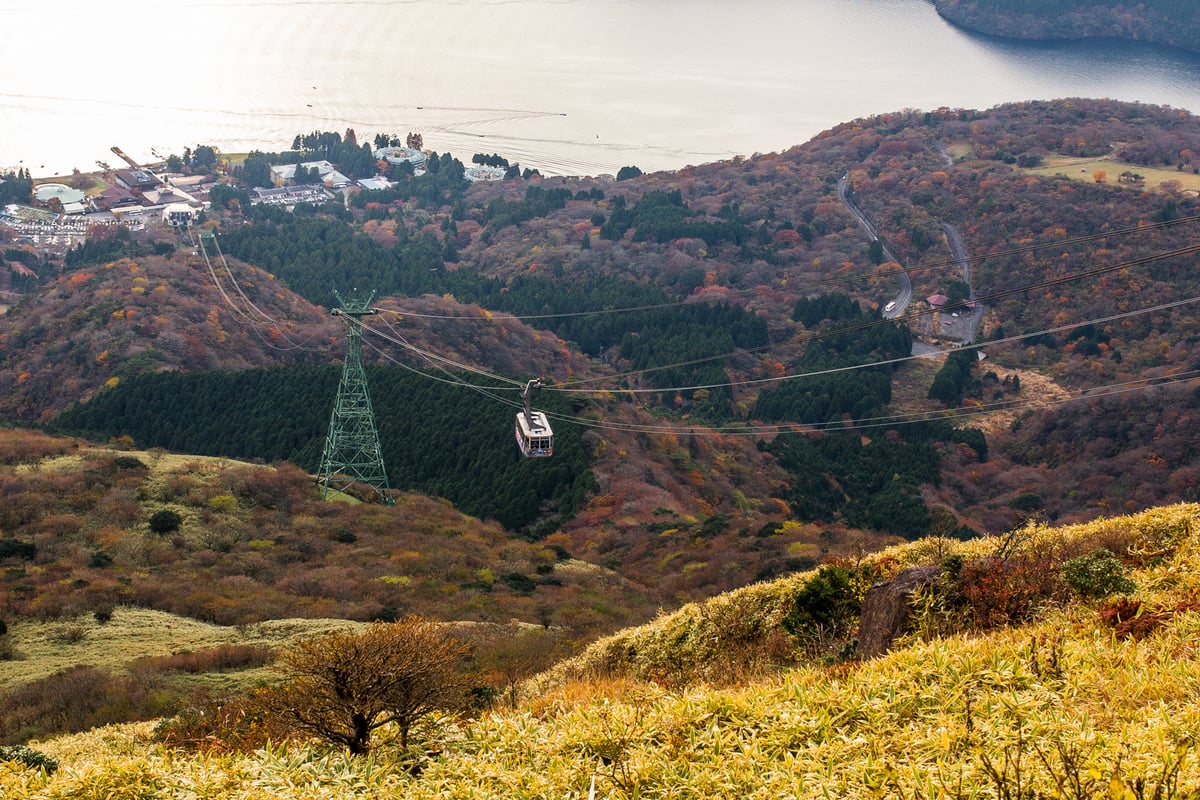
A leisure complex spread along the shore of Lake Ashi. The Hakone-en Aquarium, the only facility in Japan to keep Baikal seals, sits at Japan's highest elevation for an aquarium with a large seawater tank, and can be enjoyed together with the freshwater pavilion, which displays freshwater and tropical fish. Adjacent, the Komagatake Ropeway climbs to the 1,356-meter summit of Mt. Komagatake in about 7 minutes, where a panorama unfolds encompassing Mount Fuji, Lake Ashi, and Sagami Bay. With souvenir shops, restaurants, and a sightseeing-boat pier, it serves as one of the hubs for exploring Lake Ashi.
🚶 60 min walk from Hakone-Yumoto Station
Lake Ashi Skyline
芦ノ湖スカイライン
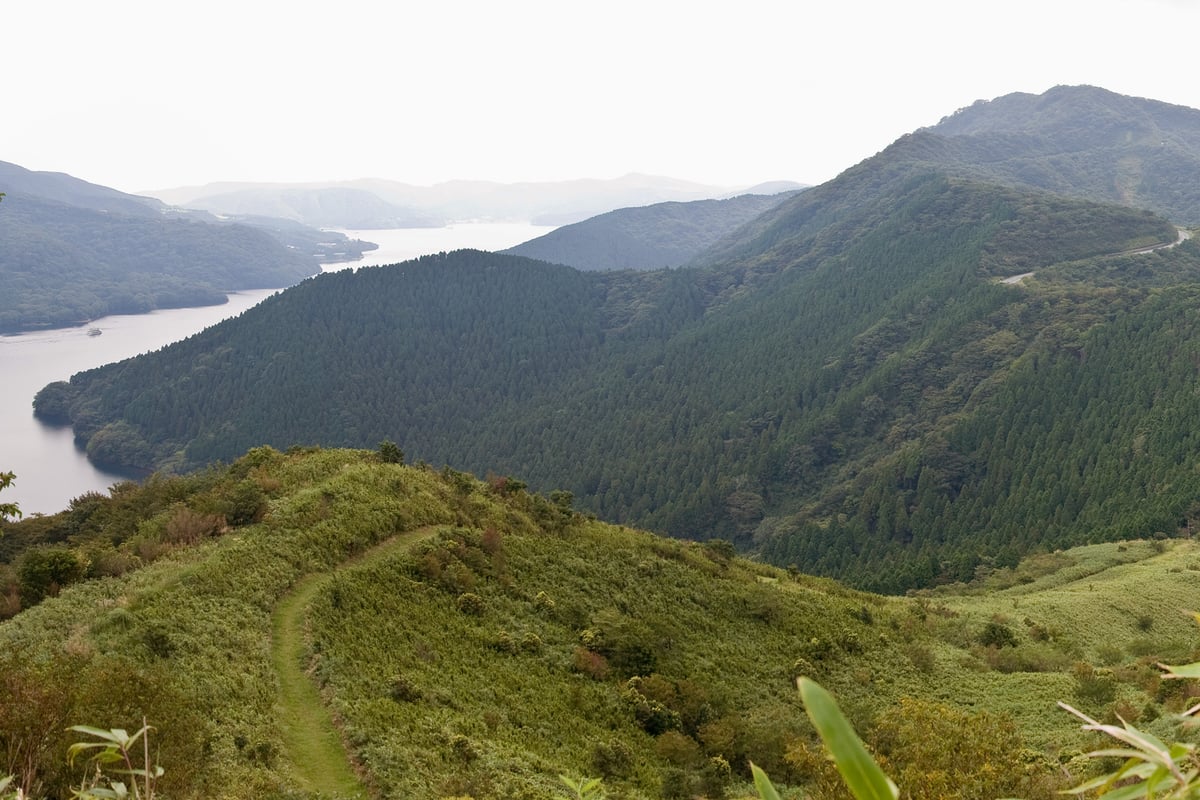
A scenic toll road running north-south along the ridge of the outer rim mountains on the western shore of Lake Ashi. It consists of a main line running from Hakone Pass to Kojiri Pass and the Kojiri Line branching off toward Kojiri, and from its ridge road above 1,000 meters in elevation, visitors can take in a sweeping panorama of Lake Ashi and Mount Fuji together. Mikuni Pass, named for the former borders of Suruga, Sagami, and Izu provinces, is known as one of the finest viewpoints along the route, commanding views of Mount Fuji, Suruga Bay, and the Izu Peninsula, and it is a popular drive and touring route.
🚶 20 min walk from Gotemba IC, Tomei Expressway
Hakone Museum of Art
箱根美術館
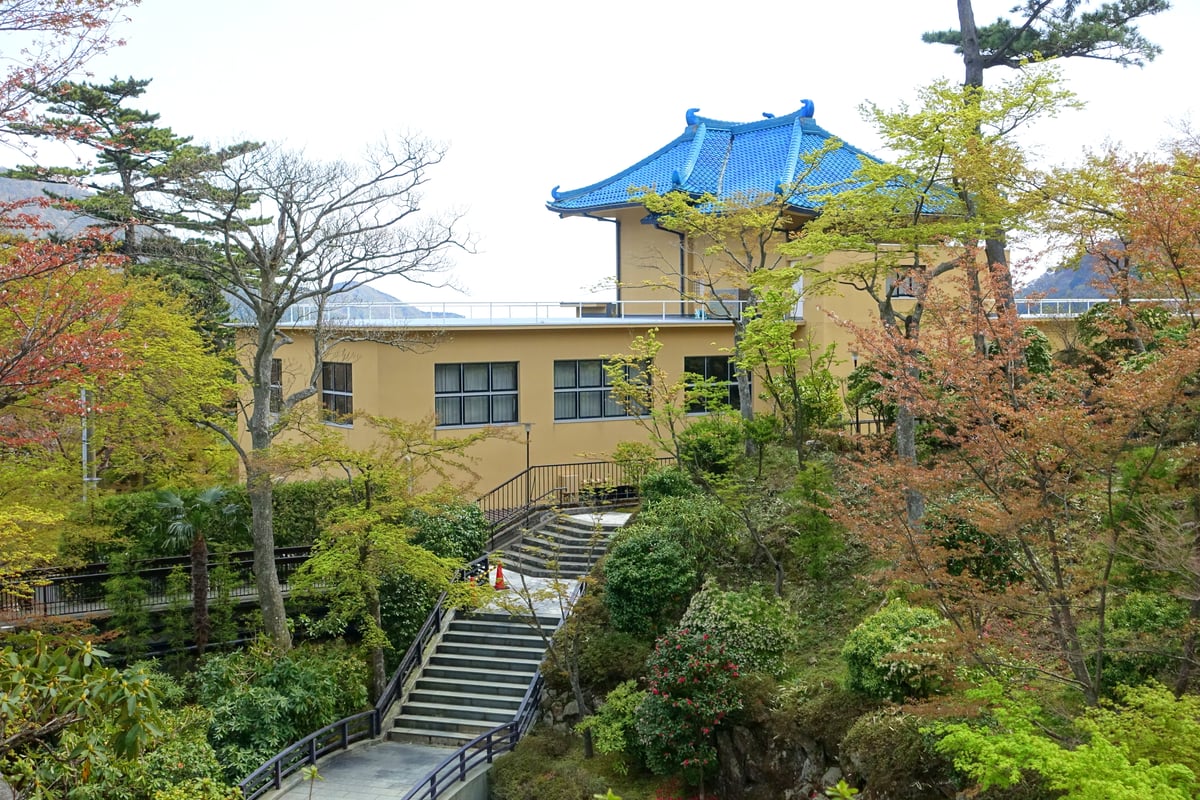
Hakone's oldest art museum, located on a hilltop just steps from Koen-Kami Station in Gora. It displays a collection centered on Japanese ceramics, ranging from Jomon-period earthenware to jars from the Kamakura- and Muromachi-era Six Ancient Kilns and works from the Edo period. The attached garden, "Shinsenkyo," is a nationally designated Place of Scenic Beauty, and its moss garden, with about 130 species of moss and over 200 maple trees, is considered among the finest in the Kanto region — especially in November, when the moss's green competes with the maples' red. Visitors can also experience tea at the "Shinwatei" tea house, spending a moment steeped in tranquility and aesthetic beauty.
🚶 1 min walk from Koen-Kami Station, Hakone Tozan Cable Car
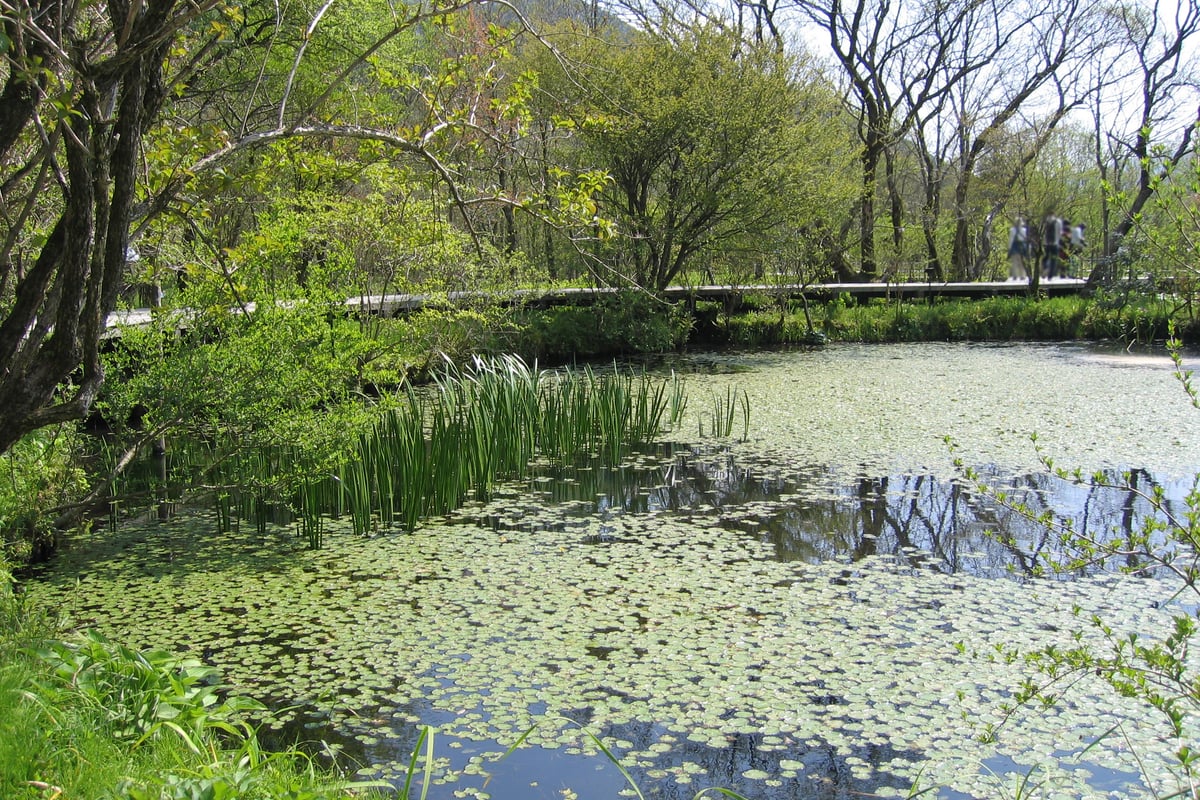
Hakone Marsh Botanical Garden
箱根湿生花園
A botanical garden opened at the edge of the Sengokuhara wetlands, said to be Japan's finest treasury of wetland plants. About 1,700 species of wetland and alpine plants from Japan and abroad are cultivated and displayed in as natural a form as possible, divided into a wetland zone and a mountain-herb zone. Walking the boardwalks, visitors can observe delicate flowers up close through the seasons — skunk cabbage and Asian skunk cabbage in spring, Japanese egret flower and Nikko day lily in summer, and gentian and autumn grasses in fall. With over 50 years of history since opening, it's a valuable spot to experience the natural environment of Sengokuhara firsthand.
🚶 35 min walk from Hakone-Yumoto Station
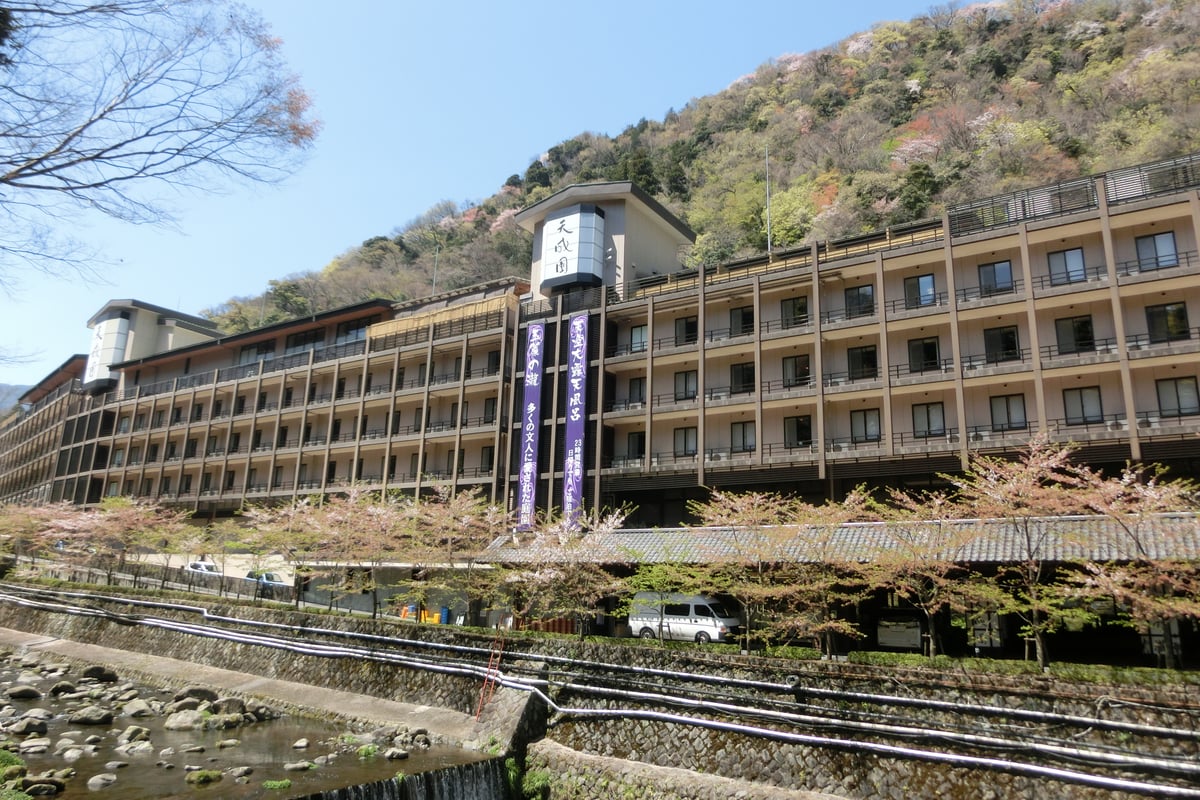
Tenseien
天成園
A large-scale hot-spring inn and day-trip bathing facility standing along the Hayakawa River, about a 12-minute walk from Hakone-Yumoto Station. With four of its own hot-spring sources on the property, it offers a variety of baths to enjoy, including the rooftop "Tenku Dai-Rotenburo" open-air bath overlooking the Hakone mountains, as well as indoor baths and private baths. The day-trip bathing plan allows an extended stay, from 10:00 to 9:00 the following morning, and the facility also offers a dining area and lounge space. Popular for both overnight stays and day trips, it lets visitors leisurely enjoy Hakone's renowned hot springs.
🚶 12 min walk from Hakone-Yumoto Station
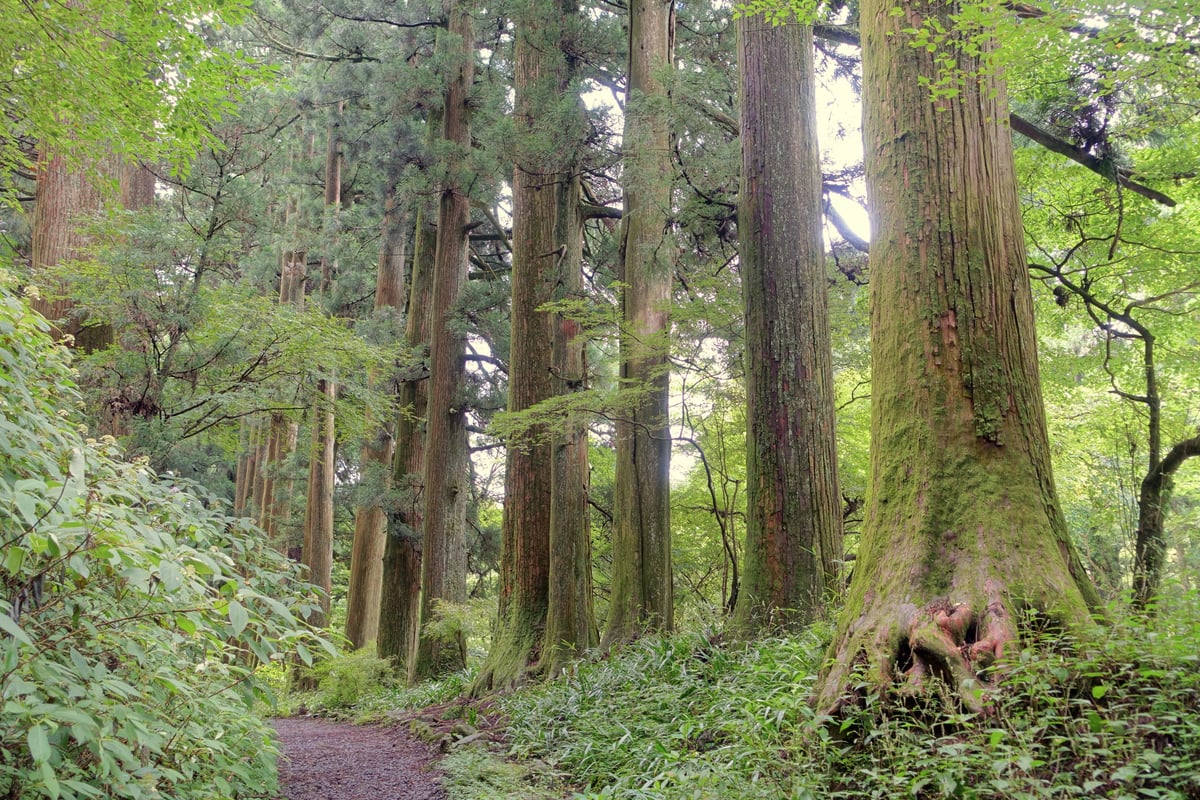
Old Tokaido Cedar Avenue
箱根旧街道杉並木
An avenue of cedar trees stretching about 500 meters from Moto-Hakone to Kanagawa Prefectural Onshi-Hakone Park, retaining the atmosphere of the Edo period. Said to have been planted in 1618 (Genna 4) by order of the shogunate by Matsudaira Masatsuna, lord of Kawagoe Castle, it includes over 400 towering cedars nearly 400 years old. The avenue once sheltered travelers on the Tokaido road from summer sun and winter winds, and today is maintained as a promenade along the shore of Lake Ashi, still conveying the solemn atmosphere sung of in Takino Rentaro's song "Hakone Hachiri" as "a cedar avenue, dark even at midday."
🚶 45 min walk from Hakone-Yumoto Station
