
Kamakura Travel Guide
A complete guide to the temples, shrines, nature, and food of the historic city of Kamakura, with detailed access information.
Access from Major Stations
Tokyo Station
About 56 min
JR Yokosuka Line
Yokohama Station
About 27 min
JR Yokosuka Line
Shinjuku Station
About 65 min
Shonan-Shinjuku Line
Shinagawa Station
About 46 min
JR Yokosuka Line
Featured Tourist Spots
View all →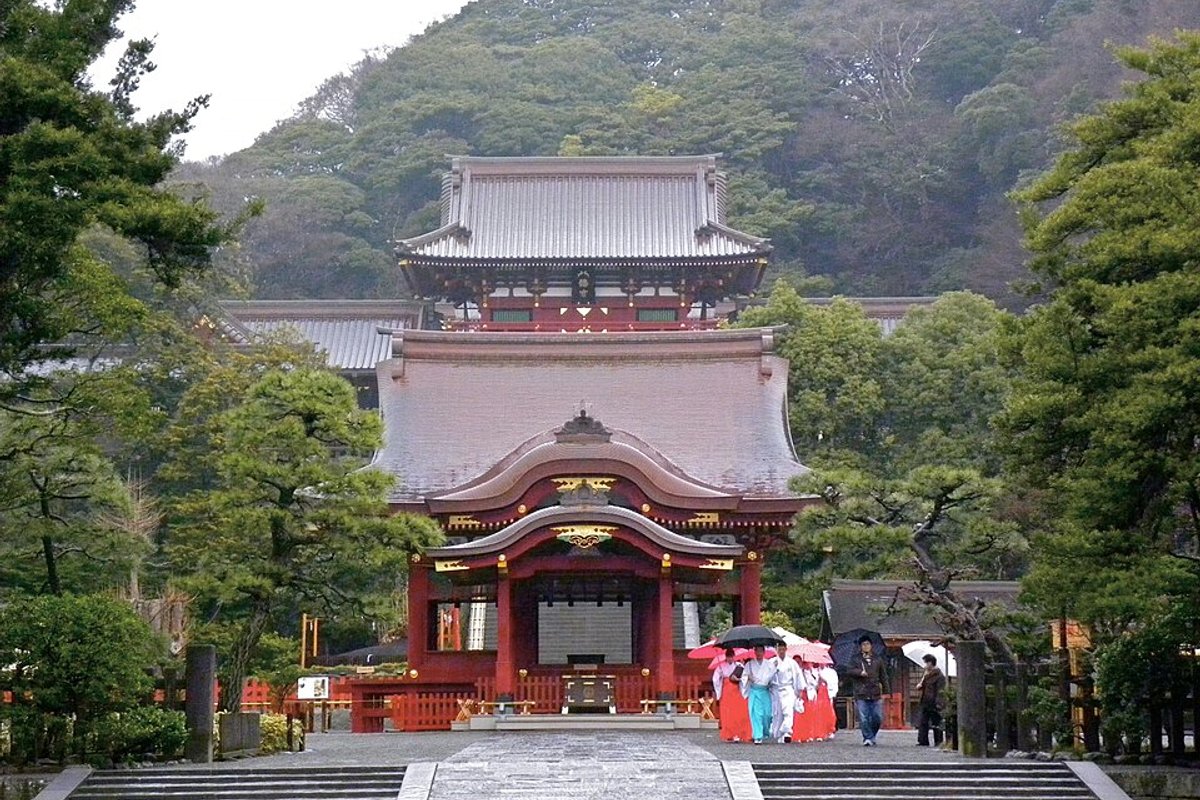
Tsurugaoka Hachimangu Shrine
鶴岡八幡宮
Tsurugaoka Hachimangu, arguably the symbol of Kamakura, is the shrine established by Minamoto no Yoritomo when he founded the Kamakura shogunate. Facing Wakamiya Oji Avenue, its impressive approach lined with a series of large torii gates makes a striking first impression. Every September, the shrine holds Yabusame (mounted archery) rituals that draw large crowds of visitors, and it is beautiful throughout the year with cherry blossoms in spring and autumn foliage in fall.
🚶 10 min walk from Kamakura Station (East Exit)
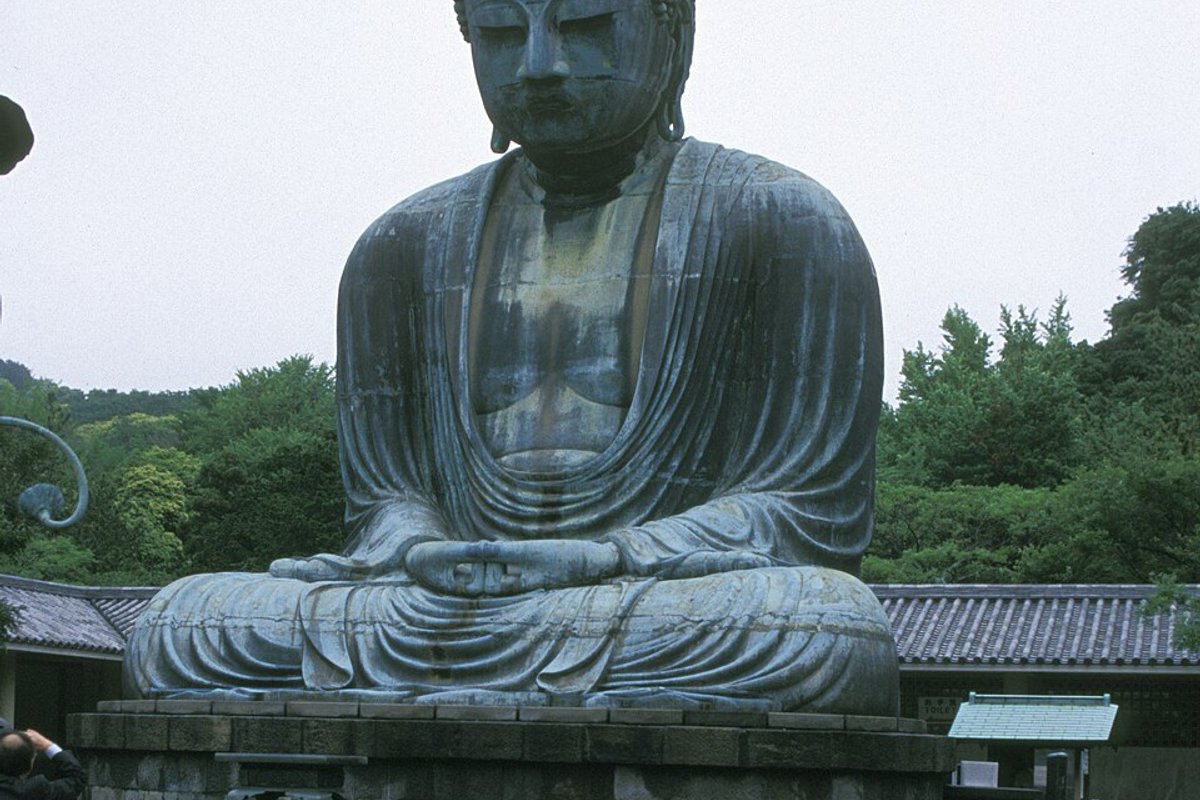
Kotoku-in (Great Buddha of Kamakura)
高徳院(鎌倉大仏)
Kotoku-in, home to the Great Buddha of Kamakura, is one of the city's signature sightseeing spots. The National Treasure seated Amida Nyorai statue stands about 11.3 meters tall and weighs roughly 121 tons. It once stood inside a great hall, but after the building was lost to typhoons and other disasters, the Buddha has sat in the open air ever since. Visitors can even step inside the statue to see the casting marks up close.
🚶 10 min walk from Hase Station
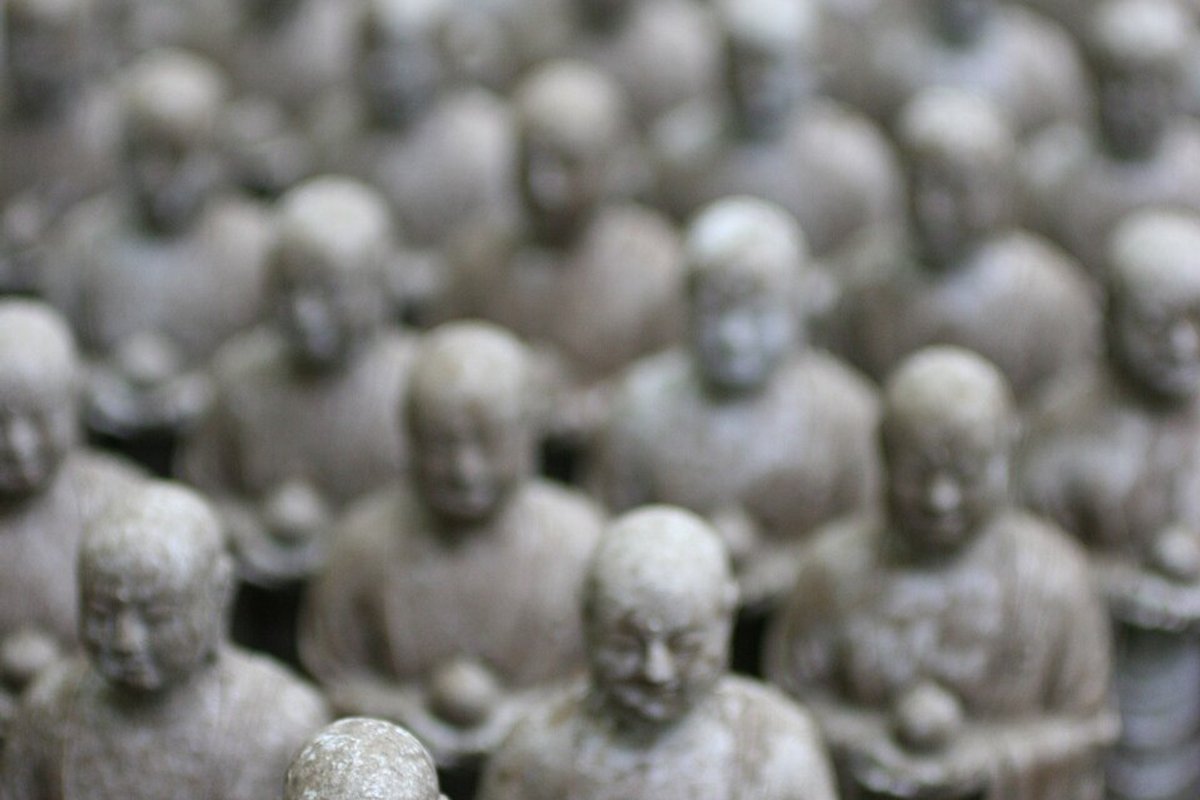
Hase-dera Temple
長谷寺
Founded during the Nara period according to tradition, Hase-dera Temple is known for its 9.18-meter-tall statue of the Eleven-Headed Kannon. From the observation deck on the grounds, visitors can look out over Yuigahama Beach and Sagami Bay, with the Izu Peninsula visible on clear days. The June hydrangea season is especially popular, when about 2,500 hydrangea bushes color the grounds and draw large crowds.
🚶 5 min walk from Hase Station
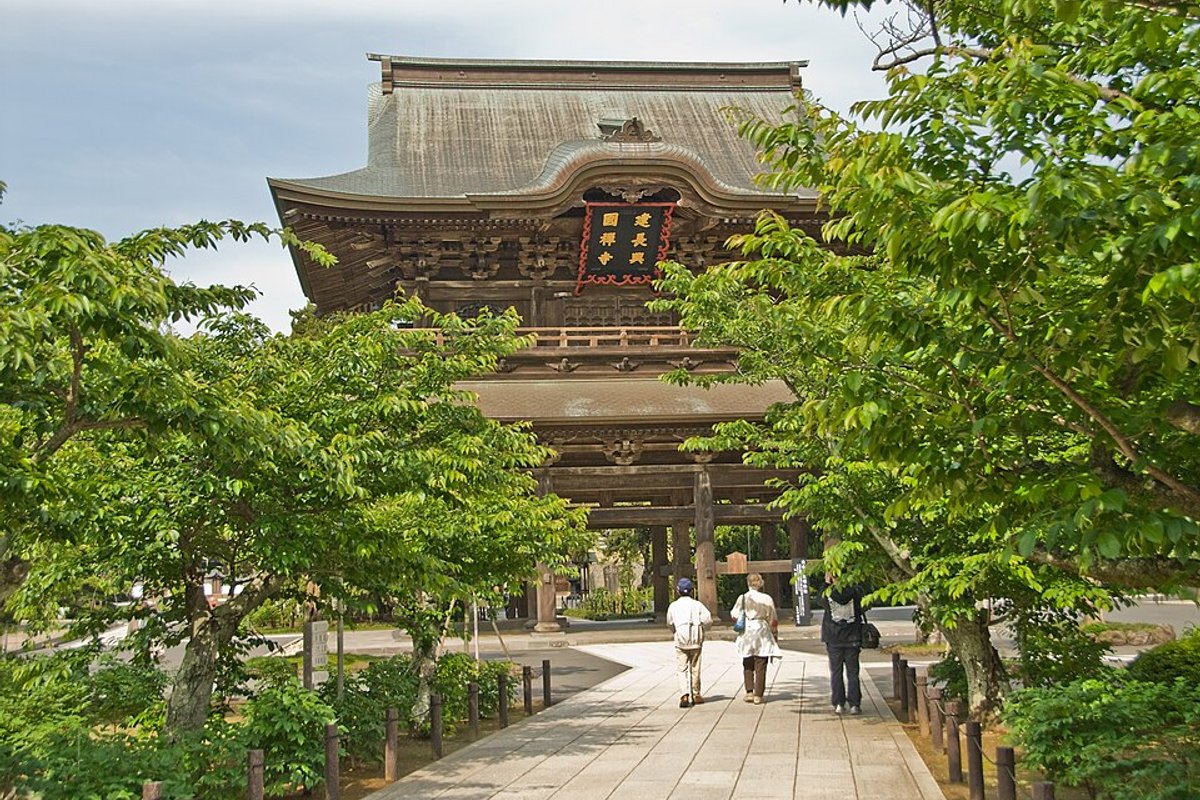
Kencho-ji Temple
建長寺
Founded in 1253, Kencho-ji is Japan's oldest Zen training monastery. Ranking first among the Five Mountains of Kamakura, it was built by Hojo Tokiyori, who invited the priest Lanxi Daolong from Song-dynasty China as founding abbot. The grounds feature an awe-inspiring Zen temple layout with the Sammon gate, Buddha hall, Dharma hall, and Chinese-style gate aligned in a single row. It's also a popular starting point for hiking, with a mountain trail toward Tengen beginning at the rear of the grounds.
🚶 15 min walk from Kita-Kamakura Station
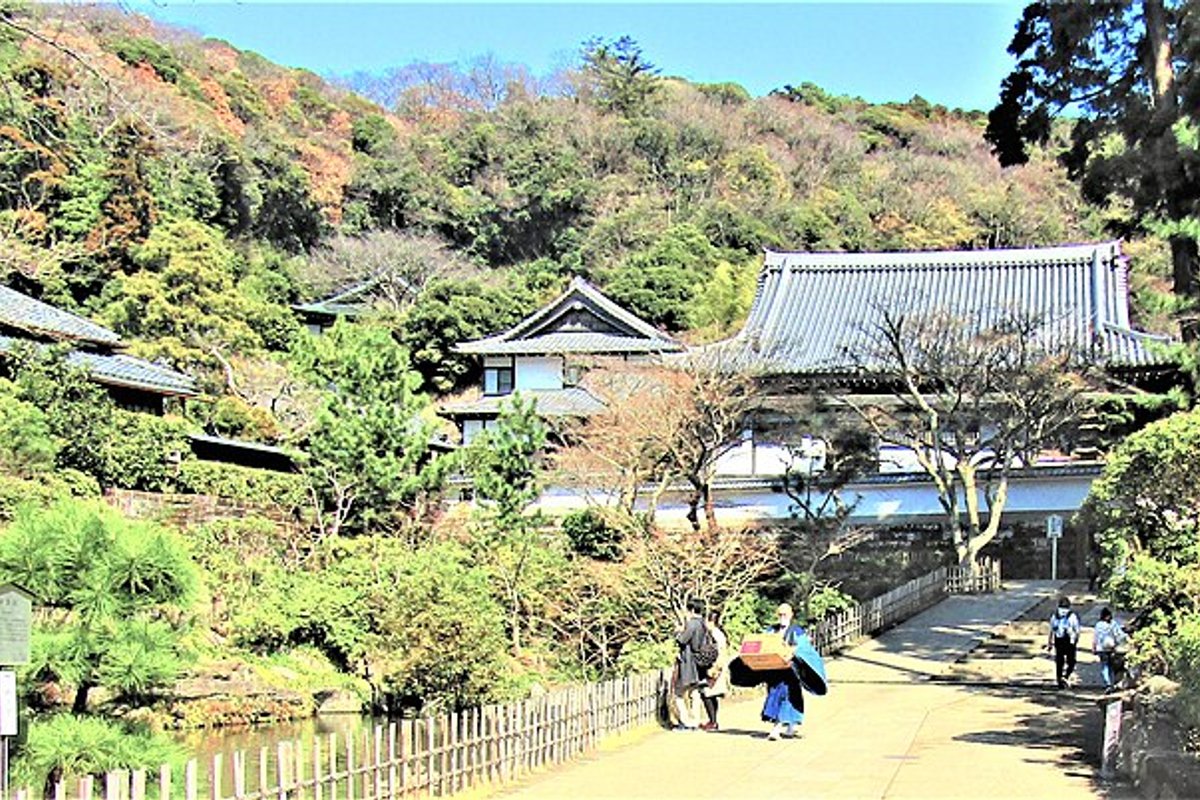
Engaku-ji Temple
円覚寺
Founded in 1282 by Hojo Tokimune, the eighth regent of the Kamakura shogunate, to console the souls of those who died in the Mongol invasions, Engaku-ji is the head temple of the Engakuji school of Rinzai Zen Buddhism. It holds numerous cultural treasures, including the National Treasure Shariden hall and the Great Bell. The grounds are beautiful in every season, with the autumn foliage offering an especially breathtaking sight, and its location right next to Kita-Kamakura Station makes it easy to reach.
🚶 1 min walk from Kita-Kamakura Station
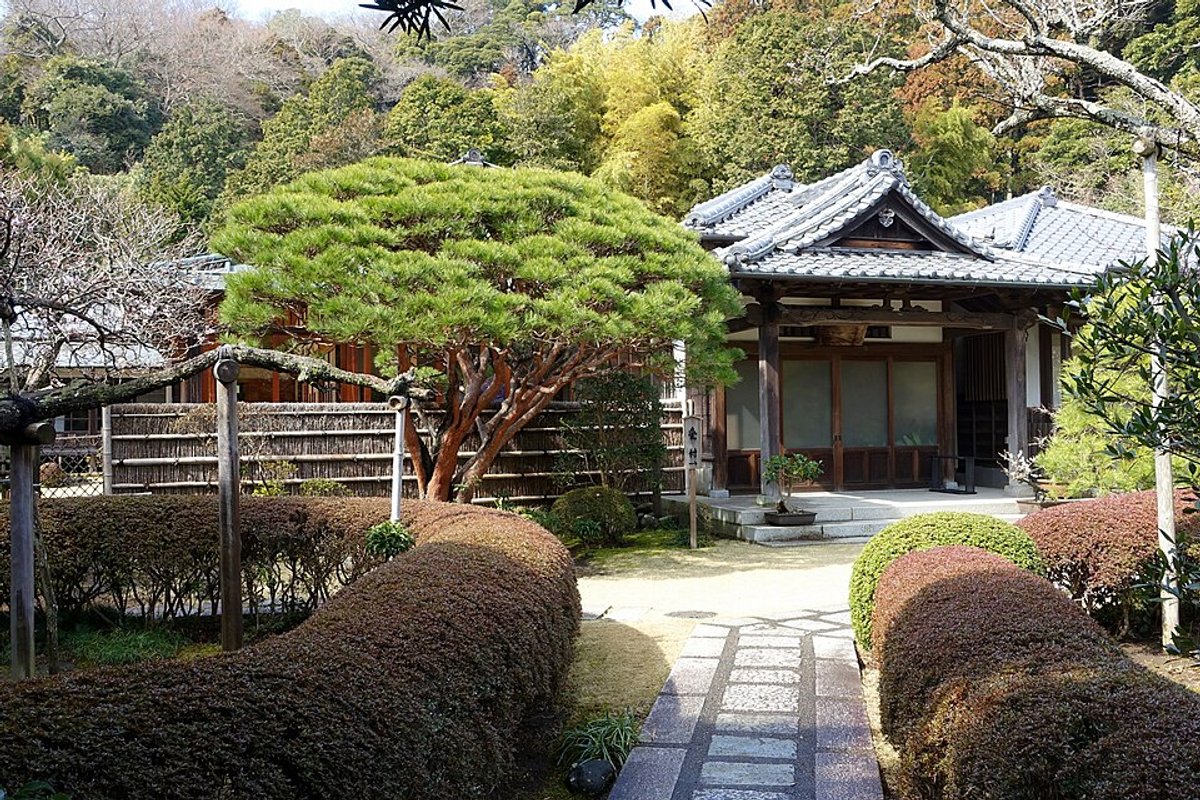
Jufuku-ji Temple
寿福寺
Founded in 1200 when Hojo Masako invited the Zen priest Eisai following the death of her husband Minamoto no Yoritomo, this is Kamakura's oldest Zen temple, ranking third among the Five Mountains of Kamakura. Its long stone-paved approach leads to a moss-covered, deeply quiet space at the back of the grounds. The "yagura" (cave tombs) at the rear are said to hold the graves of Hojo Masako and Minamoto no Sanetomo, drawing many visitors to this site tied to the Kamakura shogunate.
🚶 7 min walk from Kamakura Station (West Exit)

![[New Trip] スーツケース キャリーケース 拡張機能付き 機内持ち込み 軽量 大型 キャリーバック Sサイズ 40L 2~3泊 アイボリー | 旅行や出張で荷物が増えても安心!マチ幅5cm拡張で容量約20%アップ。耐衝撃ボディ、信頼のYKKファスナー、海外旅行に欠かせないTSAロック、静音ダブルキャスター、多段階調節キャリーバー搭載、S/M/Lの3サイズ展開。](https://m.media-amazon.com/images/I/61mh9ATG7UL._AC_SL1500_.jpg)

![[地球の歩き方掲載] セキュリポ 独自ライクラ撥水素材×2重ポケットデザイン セキュリティポーチ パスポートケース スキミング防止 撥水 メンズ レディース LiberFlyer リバーフライヤー 海外旅行 よくあるトラブル10選と対応策コラム付き (ピンクジッパー, Sサイズ)](https://m.media-amazon.com/images/I/61XSERkuoOL._AC_SL1346_.jpg)


