
Hida-Takayama Travel Guide
A complete guide to Hida-Takayama, covering the Edo-period townscape of the Sanmachi historic district, temples and shrines built by Hida's master carpenters, the grand nature of the Japan Alps and Oku-Hida, and the UNESCO World Heritage village of Shirakawa-go. Also introduces the Takayama Festival, morning markets, and Hida beef cuisine.
Access from Major Stations
Tokyo Station
About 4 hr 30 min
Tokaido Shinkansen to Nagoya, then transfer to limited express Hida
Nagoya Station
About 2 hr 30 min
Limited express Hida (direct)
Shinjuku Station
About 5 hr 45 min
Nohi Bus / Keio Bus direct highway bus
Osaka Station
About 4 hr 20 min
Limited express Hida (direct, one round trip per day)
Featured Tourist Spots
View all →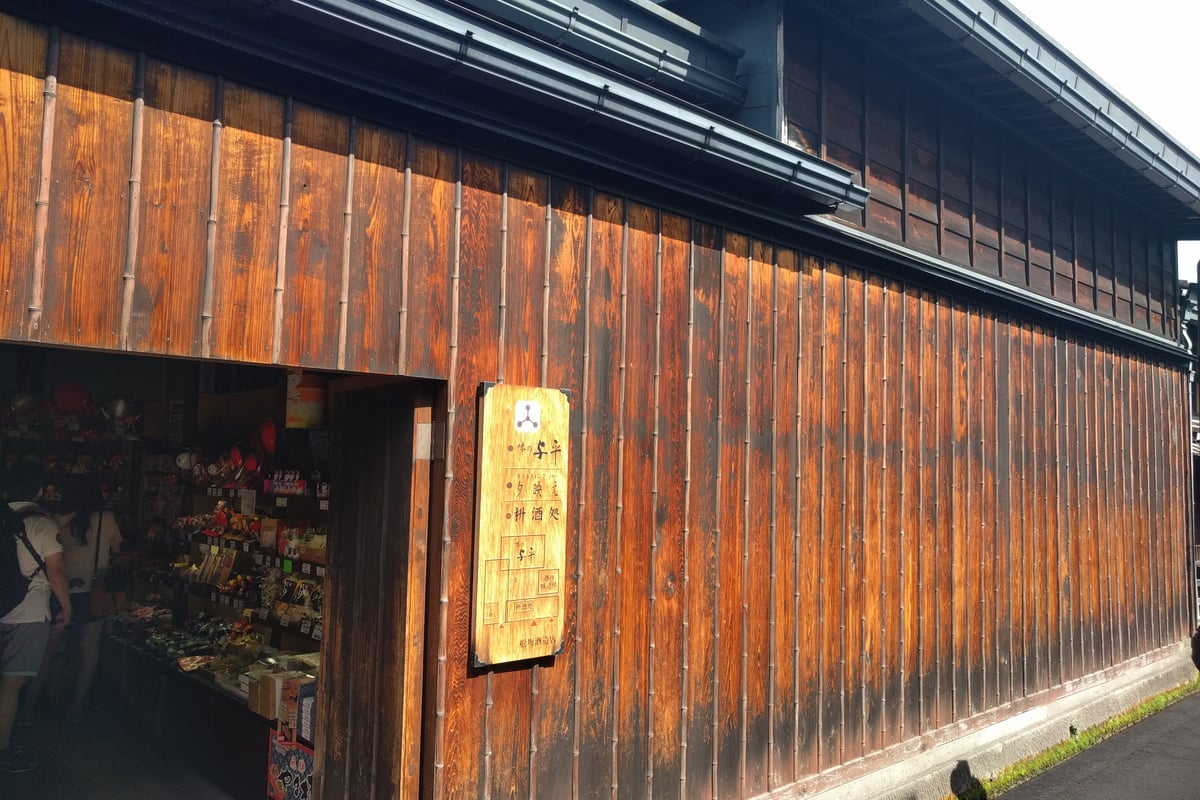
Sanmachi Historic District
古い町並み(三町伝統的建造物群保存地区)
A nationally selected Important Preservation District for Groups of Historic Buildings centered on Kami-sannomachi, Kami-ninomachi, and Kami-ichinomachi streets. Since Takayama Castle was abandoned in 1695, the merchant-district street layout and townhouses that flourished as the commercial center of the Hida region have been preserved almost as they were, with about 172 traditional buildings still standing. Low mezzanine-style townhouses with deep eaves and black-painted latticed windows and shutters line the streets, conveying the skills of Hida's master carpenters, while cedar-ball sake brewery signs, the murmur of irrigation channels, and noren curtains of long-established shops create a distinctive atmosphere. Today, the area is lined with souvenir shops, sake breweries, Japanese-style cafes, and food-tasting stalls set up in renovated townhouses, drawing many tourists from Japan and abroad as a strolling district sometimes called "Little Kyoto of Hida." Power lines are hidden beneath building eaves to protect the scenery, thoroughly preserving the beauty of the streetscape.
🚶 15 min walk from Takayama Station
Takayama Jinya
高山陣屋
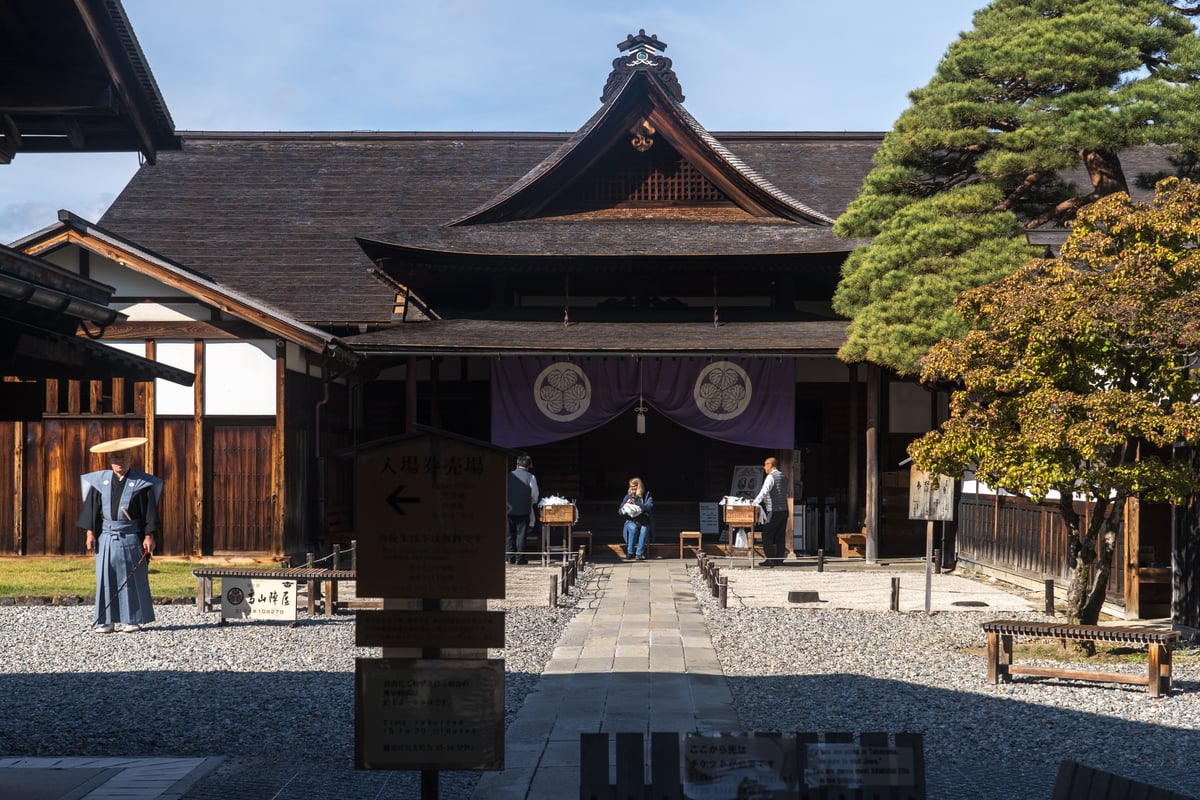
A group of buildings that once housed the magistrate's and intendant's office through which the Edo shogunate governed Hida Province as its direct territory, designated a national historic site as the only surviving Edo-period jinya (regional administrative office) building complex in Japan. After Hida became shogunate territory in 1692, 25 successive magistrates and intendants conducted government affairs here for about 176 years until the Meiji Restoration. The government office, administrative hall, intendant's living quarters and kitchen, and the courtroom (Oshirasu) are open to the public, either preserved as they were or restored, letting visitors closely see the working spaces of Edo-period officials and the setting of civil trials. The rice storehouse (Okura) on the grounds is Japan's oldest and largest surviving storehouse and is also used to display historical materials about Hida. Conveniently located as a starting point for touring Takayama's old townscape, a morning market is also held in the plaza in front of the jinya.
🚶 10 min walk from Takayama Station
Sakurayama Hachimangu Shrine
桜山八幡宮
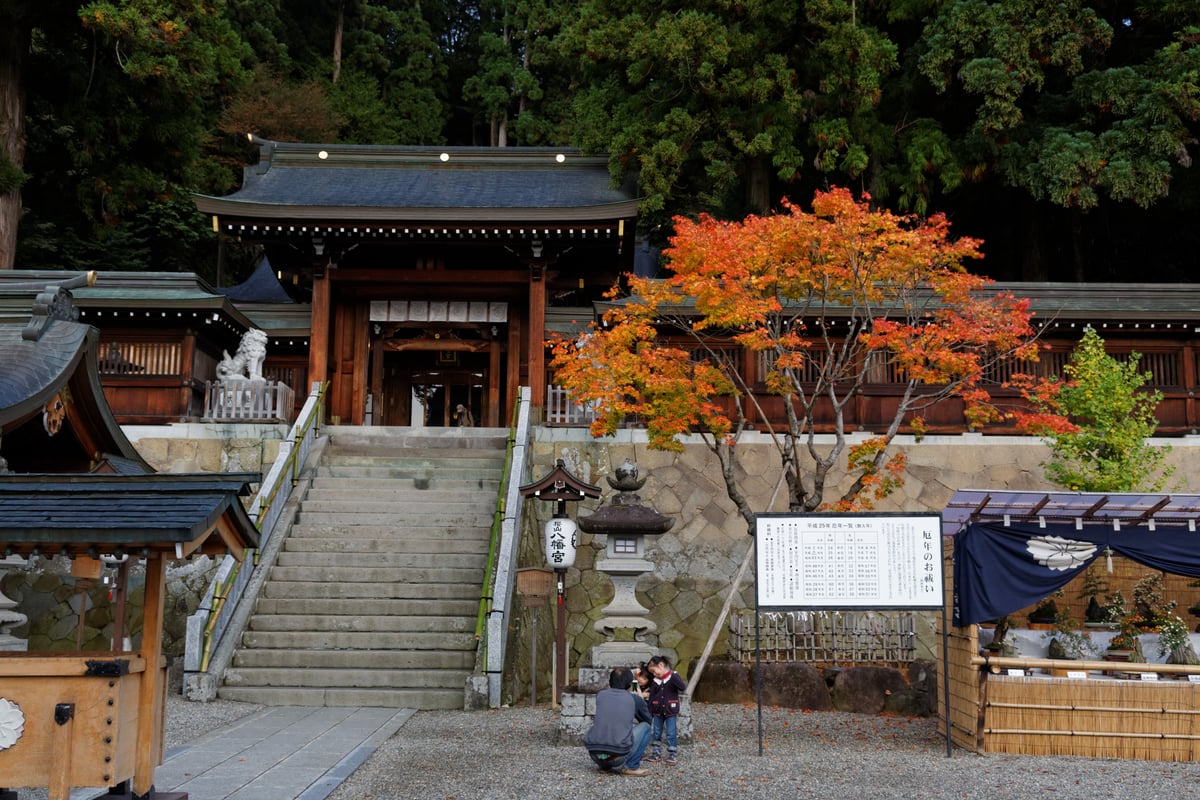
A leading old shrine in Takayama said to have been founded over 1,600 years ago during the reign of Emperor Nintoku, enshrining Emperor Ojin as its principal deity. Long revered as the guardian shrine of all Hida, its magnificent shrine buildings, conveying the skills of Hida's master carpenters, stand at the entrance to the Higashiyama temple district. Its annual festival held October 9-10, the "Autumn Takayama Festival," is one of Japan's three great beautiful festivals, featuring 11 gorgeous festival floats parading through the castle town; the festival, including its float traditions, is registered as both a national Important Intangible Folk Cultural Property and a UNESCO Intangible Cultural Heritage. The adjacent Takayama Festival Floats Exhibition Hall permanently displays actual floats used in the autumn festival, letting visitors closely engage with Hida's craftsmanship and festival culture alongside their shrine visit. Also known as a cherry blossom spot, the trees for which the shrine is partly named color the grounds each spring.
🚶 20 min walk from Takayama Station
Shin-Hotaka Ropeway
新穂高ロープウェイ
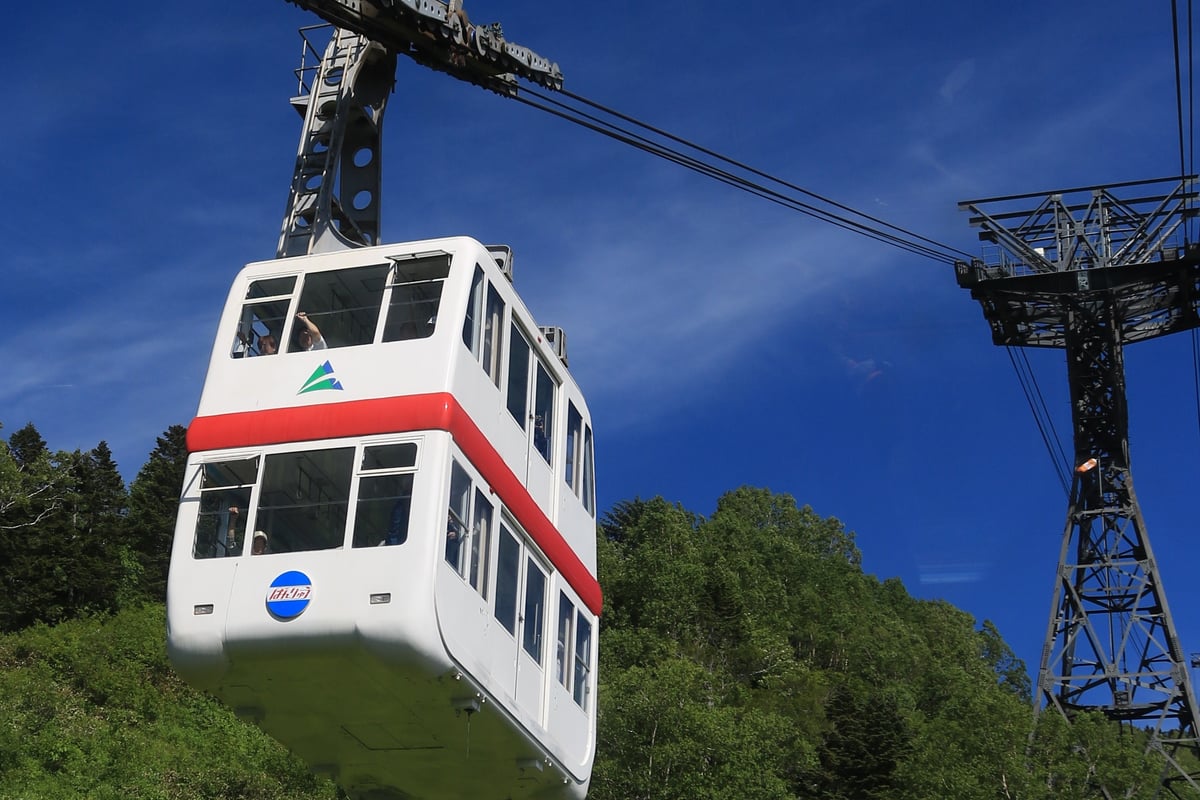
A ropeway connecting Shin-Hotaka Onsen to Nishi-Hotakaguchi (elevation 2,156m) in the Northern Alps, featuring Japan's only double-decker gondola. Riding the First Ropeway (Shin-Hotaka Onsen to Nabedaira Highlands) and the Second Ropeway (Shirakaba-daira to Nishi-Hotakaguchi) in succession rapidly gains elevation, and the summit observation deck offers a grand panorama of the Northern Alps' 3,000-meter-class peaks, including Mount Yari and the Hotaka mountain range, up close. On clear days, visitors can see as far as Mount Kasa, Mount Norikura, and even Mount Fuji. From alpine flowers and cloud seas in summer to autumn foliage and frosted trees and stargazing in winter, it shows a different face each season, popular not only with climbers but also with tourists simply wanting to enjoy spectacular views — a leading tourist attraction representing the Okuhida Onsen area.
🚶 1 min walk from Takayama Nohi Bus Center
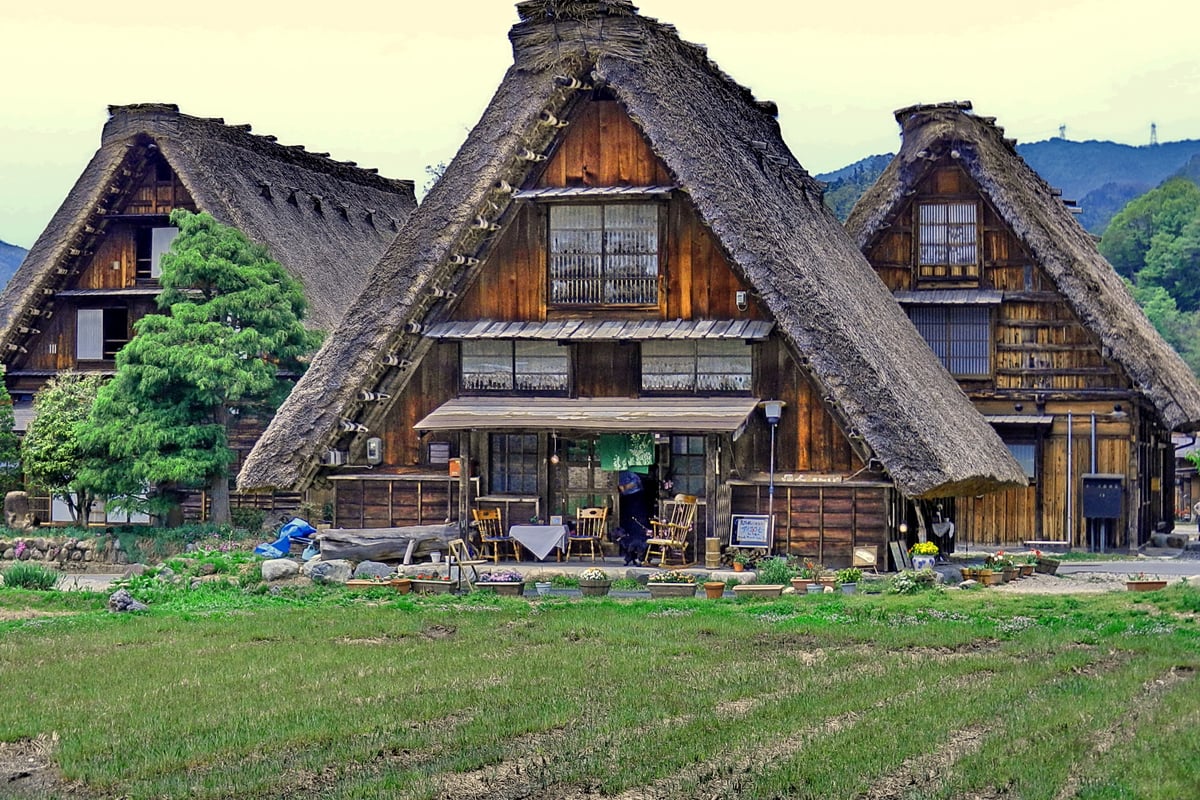
Shirakawa-go Gassho-zukuri Village
白川郷合掌造り集落
A mountain village in Ogimachi, Shirakawa Village, Ono District, Gifu, where over 100 steep-thatched-roof "gassho-zukuri" houses still stand today. Registered as a UNESCO World Heritage Site in 1995 together with Gokayama in Toyama Prefecture. Born of wisdom unique to a heavy-snowfall region, gassho-zukuri architecture features a steep roof shape designed to bear the weight of snow, and the tradition of "yui" — neighbors helping each other re-thatch roofs — continues to this day. The village includes the Wada House (a national Important Cultural Property) and other surviving houses, tourist facilities such as the Myozen-ji Kuri Folk Museum, and souvenir shops and restaurants, offering beautiful satoyama scenery year-round. Though located in Shirakawa Village, a separate municipality from Takayama City, it's a classic touring route often visited together with Takayama.
🚶 0 min walk from JR Takayama Station
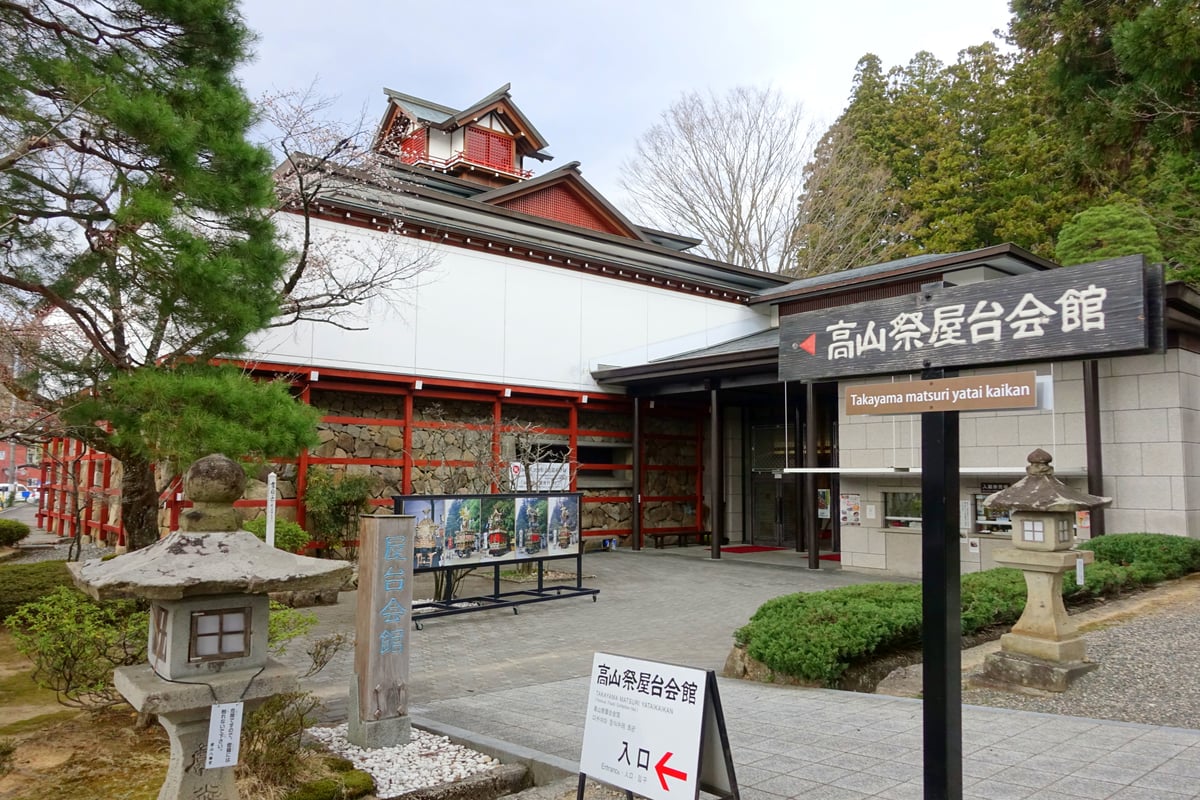
Takayama Matsuri Yatai Kaikan
高山祭屋台会館
A museum on the grounds of Sakurayama Hachimangu Shrine, a nationally rare facility permanently displaying, as actual objects, the festival floats — designated national Important Tangible Folk Cultural Properties — that are actually paraded during the autumn Takayama Festival. Since opening in 1968, it has rotated 4 of the 11 floats owned by Sakurayama Hachimangu on display every 4 months, so visitors encounter different floats depending on when they visit. Visitors can closely admire floats embodying the refined skills of Hida's master carpenters, including gold leaf, carvings, and mechanical dolls, while the adjoining Sakurayama Nikko-kan also displays an elaborate model of Nikko Toshogu Shrine. The Takayama Festival, including its float traditions, is registered as a UNESCO Intangible Cultural Heritage, making this a popular spot to experience the power and beauty of the Takayama Festival outside of festival season.
🚶 20 min walk from Takayama Station

![[New Trip] スーツケース キャリーケース 拡張機能付き 機内持ち込み 軽量 大型 キャリーバック Sサイズ 40L 2~3泊 アイボリー | 旅行や出張で荷物が増えても安心!マチ幅5cm拡張で容量約20%アップ。耐衝撃ボディ、信頼のYKKファスナー、海外旅行に欠かせないTSAロック、静音ダブルキャスター、多段階調節キャリーバー搭載、S/M/Lの3サイズ展開。](https://m.media-amazon.com/images/I/61mh9ATG7UL._AC_SL1500_.jpg)

![[地球の歩き方掲載] セキュリポ 独自ライクラ撥水素材×2重ポケットデザイン セキュリティポーチ パスポートケース スキミング防止 撥水 メンズ レディース LiberFlyer リバーフライヤー 海外旅行 よくあるトラブル10選と対応策コラム付き (ピンクジッパー, Sサイズ)](https://m.media-amazon.com/images/I/61XSERkuoOL._AC_SL1346_.jpg)


