
Hakone Travel Guide
A complete guide to Hakone, the hot-spring resort famed for the scenery of Lake Ashi and Owakudani, art museums like the Hakone Open-Air Museum and Pola Museum of Art, and views of Mount Fuji.
Access from Major Stations
Shinjuku Station
About 90 min
Odakyu Romancecar (direct)
Tokyo Station
About 60 min
Tokaido Shinkansen (transfer at Odawara) + Hakone Tozan Railway
Yokohama Station
About 65 min
JR Tokaido Line (transfer at Odawara) + Hakone Tozan Railway
Shinagawa Station
About 55 min
Tokaido Shinkansen (transfer at Odawara) + Hakone Tozan Railway
Featured Tourist Spots
View all →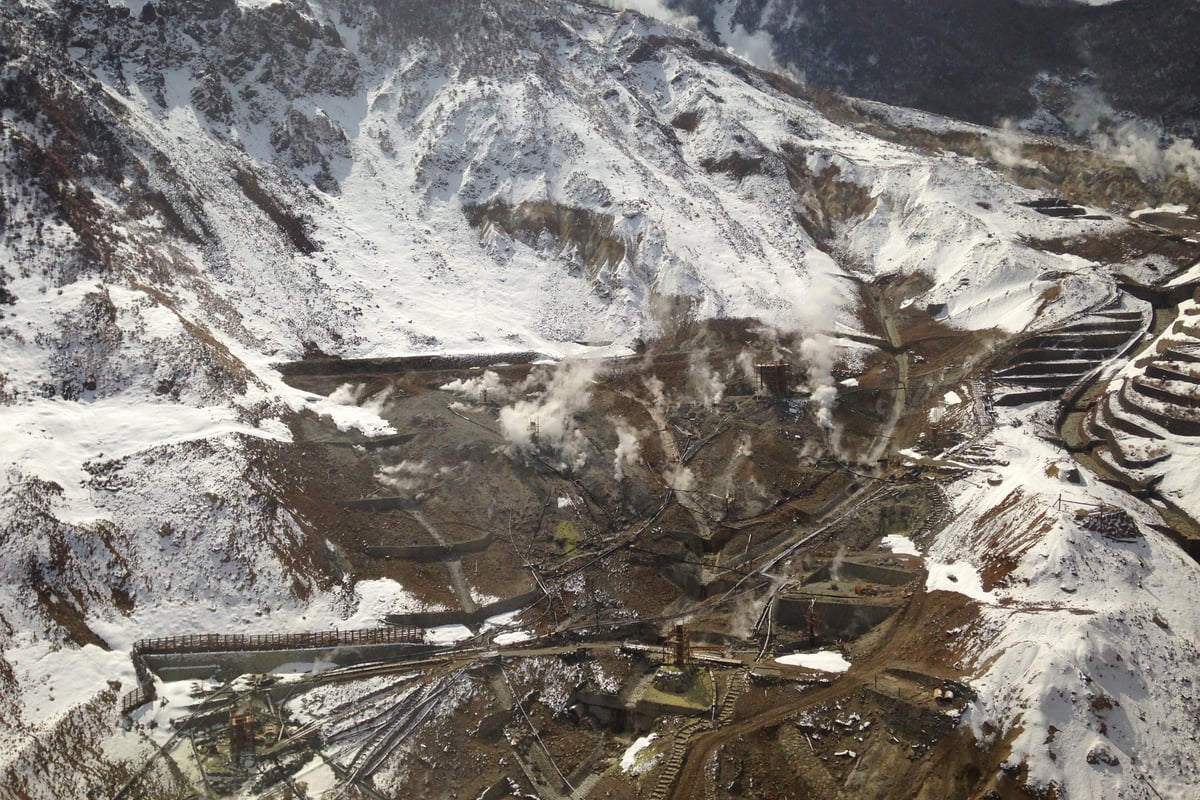
Owakudani
大涌谷
A crater formed by an explosive eruption on the northwest slope of Mt. Kami, a central cone of the Hakone volcano, from which steam still rises today. Formed by a phreatic eruption about 3,000 years ago, it was once called "Great Hell" but was renamed to its current name to mark Emperor Meiji's visit in 1873. Amid the barren volcanic landscape and drifting scent of sulfur, the local specialty "black eggs" are boiled in the heat of the hot-spring ponds, turning their shells black, and are said to add seven years to your life if you eat one. Historic sites tied to faith are also scattered about, including the Enmei Jizo statue associated with Kobo Daishi, and on clear days, Mount Fuji can be seen. As a major stop on the Hakone Ropeway, with the Owakudani Kurotamago-kan and other shops nearby, it is one of the most bustling spots in Hakone sightseeing.
🚶 1 min walk from Owakudani Station
Lake Ashi
芦ノ湖
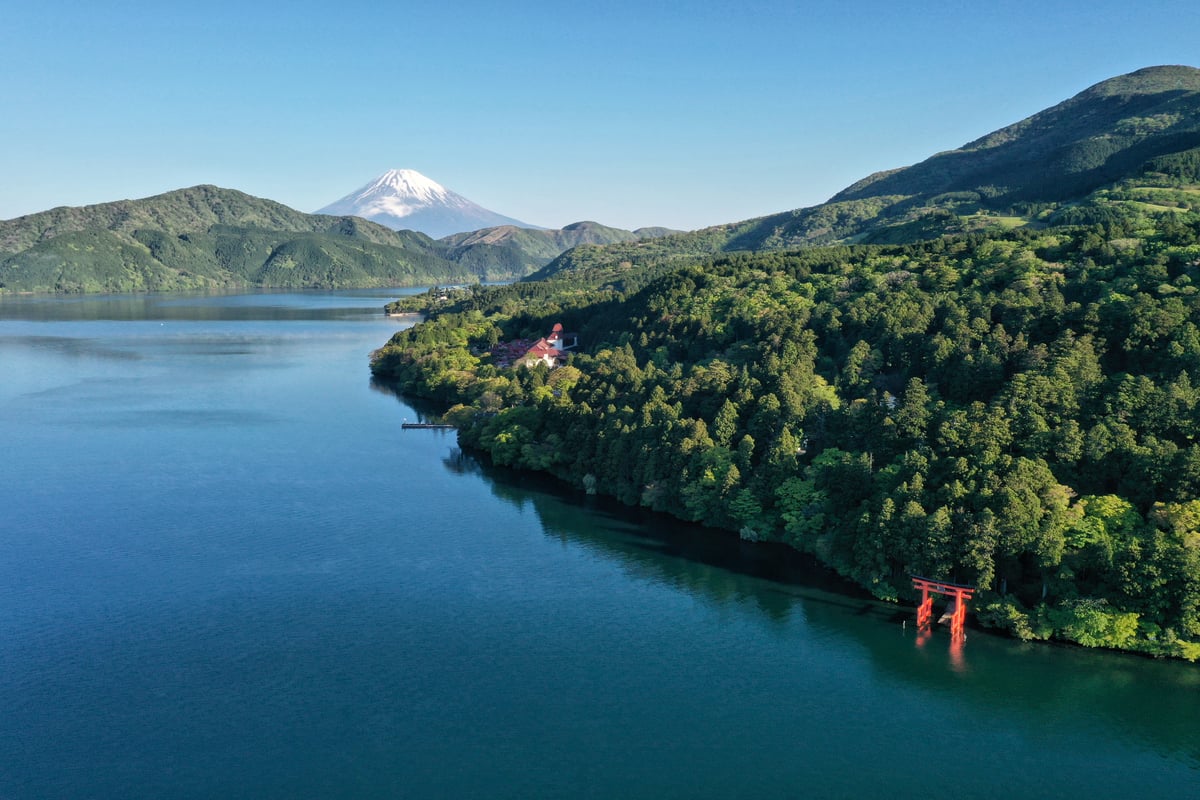
A caldera lake formed by the activity of Mt. Kami and other central cones of the Hakone volcano. With a circumference of about 18 km and an area of about 7 square km, it is Hakone's premier scenic spot, offering views of Mount Fuji from its shores under good conditions. Sightseeing boats known as the "Hakone Sightseeing Cruise" ply the lake, connecting the three ports of Togendai, Hakone-machi, and Moto-Hakone. Highlights dot the lakeshore, including Hakone Shrine's "Peace Torii," the cedar avenue of the old Tokaido road, and the site of the Hakone Checkpoint, making this a central hub of Hakone sightseeing that can be enjoyed for a full day combined with cruises, hiking, and lakeside drives. Known since ancient times as a mysterious lake with dragon-god legends, it draws many visitors year-round.
🚶 40 min walk from Hakone-Yumoto Station
Hakone Shrine
箱根神社
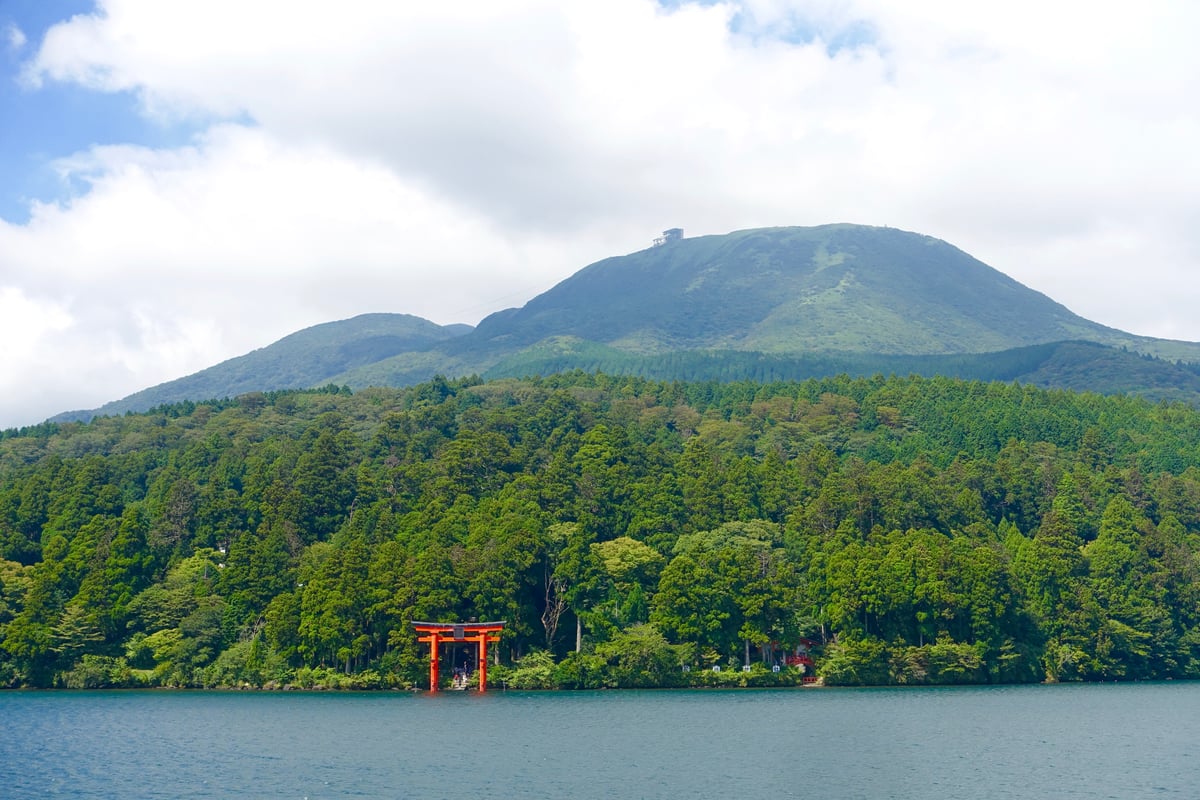
Hakone's guardian shrine, said to have been founded in 757 by the priest Mangan. Long revered as the "Guardian Shrine of the Kanto Region," Hakone Daigongen, it drew deep devotion from many warlords including Minamoto no Yoritomo and Tokugawa Ieyasu, and is known for blessings of good fortune, warding off misfortune, wish fulfillment, and traffic safety. The "Peace Torii" standing at the edge of Lake Ashi is a popular photo spot that appears to float on the water, and the grounds enshrine Kuzuryu Shrine (Shingu), an auxiliary shrine deeply tied to the dragon-god legend. With a long approach lined by cedar trees hundreds of years old combined with the lakeside scenery, it is one of Hakone's foremost power spots, drawing many visitors for New Year's prayers and matchmaking wishes.
🚶 10 min walk from Hakone-Yumoto Station
Hakone Sightseeing Cruise (Pirate Ship)
箱根海賊船
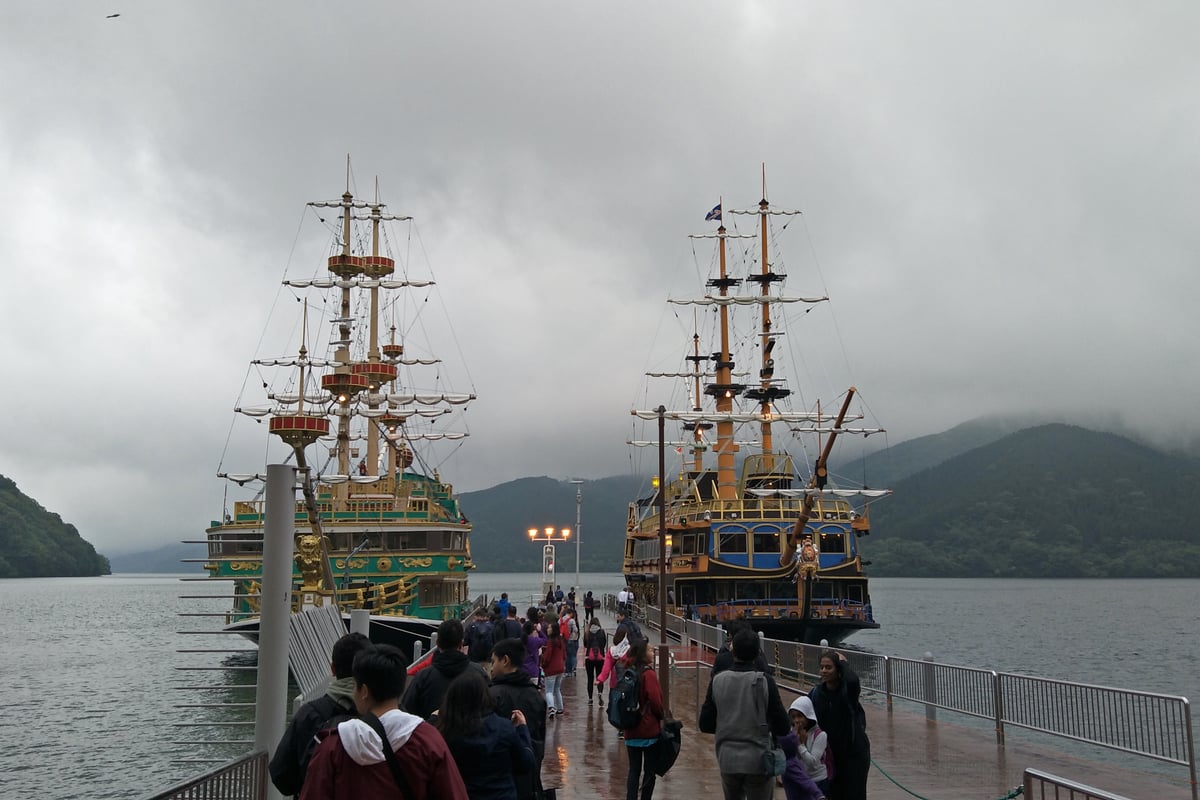
A sightseeing cruise ship on Lake Ashi, its ornate and elaborate appearance catching the eye. Connecting the three ports of Togendai, Hakone-machi, and Moto-Hakone, it's one of Hakone's signature scenic cruises, offering views from the deck of Mount Fuji, the Hakone mountains, and Hakone Shrine's vermilion torii on the lakeshore. Three ships modeled on 18th-century sailing vessels — the Queen Ashinoko, Royal II, and Victory — are in service, and the roughly 25- to 40-minute one-way routes also serve as a convenient way to travel between the Owakudani/Togendai area and the Moto-Hakone/Hakone-machi area. Combined with the Hakone Ropeway, visitors can complete a full loop from Owakudani to the shores of Lake Ashi using only vehicles.
🚶 40 min walk from Hakone-Yumoto Station
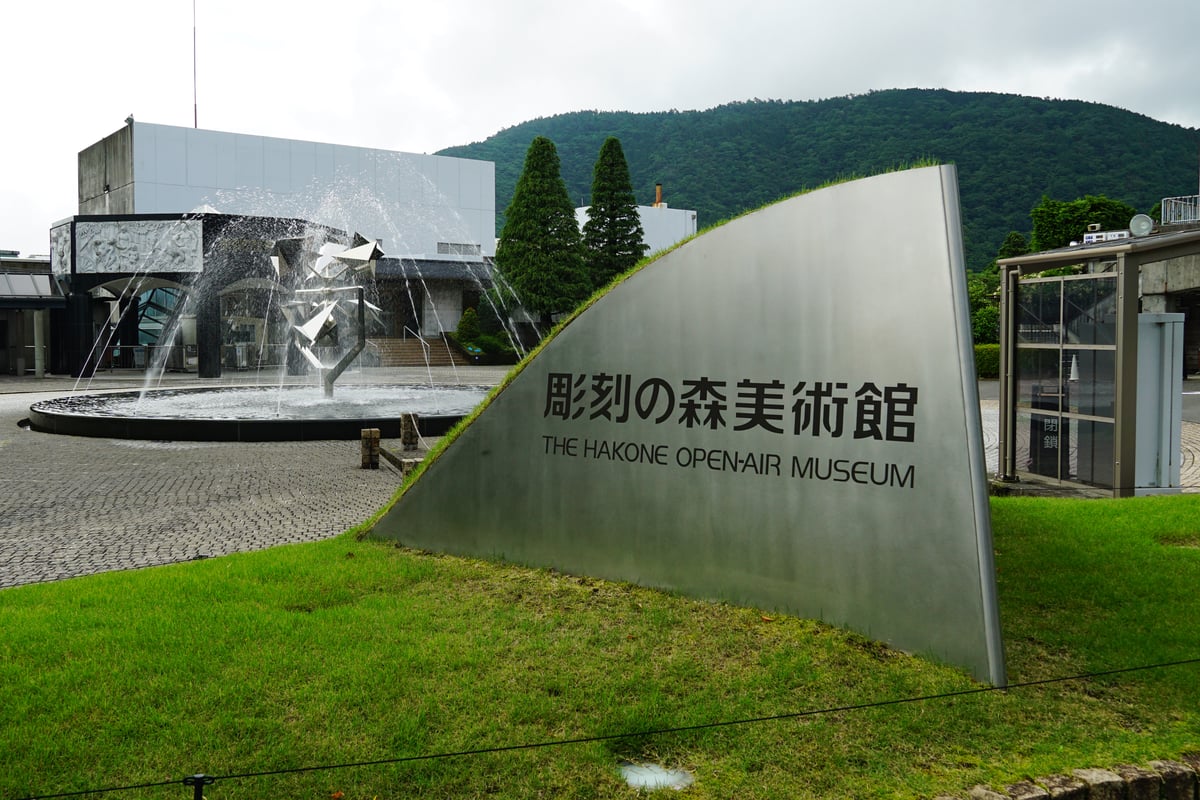
Hakone Open-Air Museum
彫刻の森美術館
Opened in 1969 as Japan's first open-air museum. Set on expansive grounds surrounded by Hakone's nature, it displays about 120 outdoor sculptures by Japanese and international artists including Henry Moore and Rodin. Highlights include the "Picasso Pavilion," gathering the painter's paintings and ceramic works, the stained-glass tower "Symphonic Sculpture," and a foot bath where visitors can soak their feet while admiring the art — a unique viewing experience blending art and nature. It's a two-minute walk from Chokoku-no-Mori Station on the Hakone Tozan Railway, making access easy.
🚶 2 min walk from Chokoku-no-Mori Station
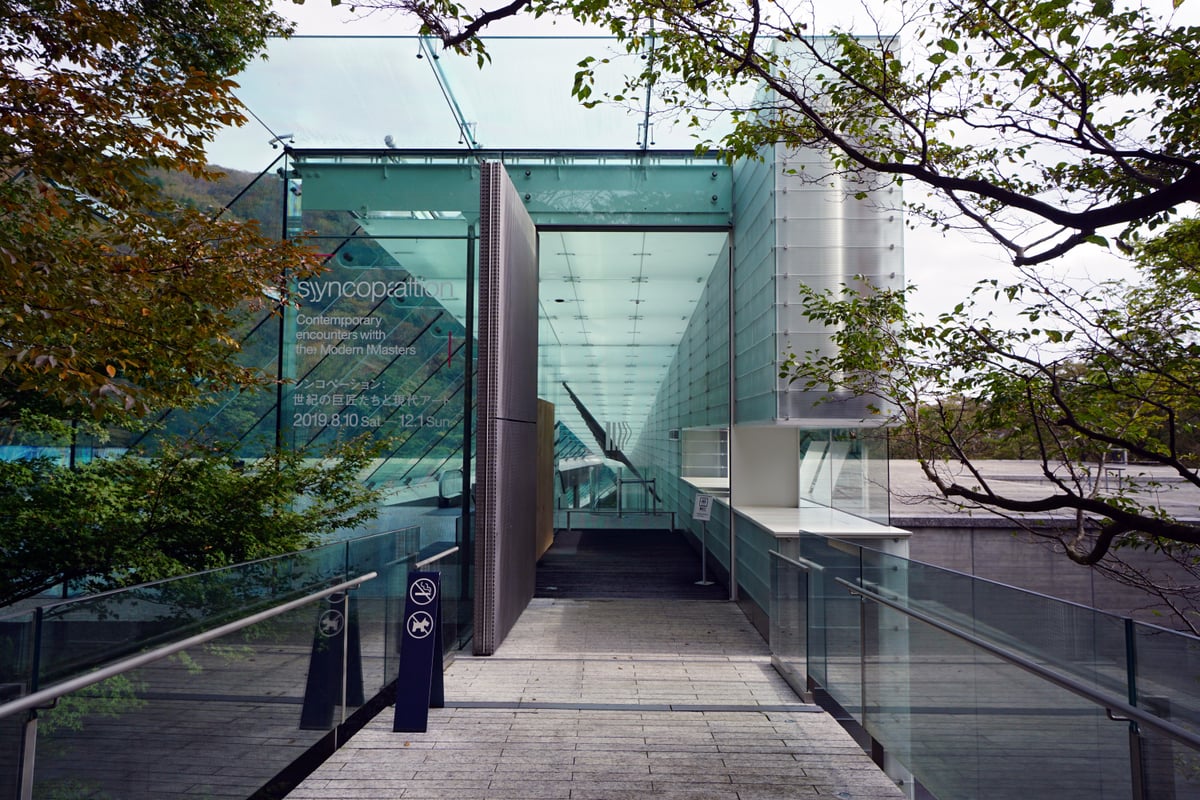
Pola Museum of Art
ポーラ美術館
A museum in the rich forest of Sengokuhara, designed with an underground structure to harmonize with the natural surroundings. It houses a collection of about 10,000 works, gathered over more than half a century by the cosmetics maker Pola, ranging from French Impressionism to modern Japanese painting, allowing visitors to view works by masters such as Monet, Renoir, and Picasso. Highlights include the open, glass-walled architecture and the "Forest Promenade," a walking trail through the woods, making this one of Hakone's leading museums where visitors can enjoy art and nature at once.
🚶 8 min walk from Gora Station

![[New Trip] スーツケース キャリーケース 拡張機能付き 機内持ち込み 軽量 大型 キャリーバック Sサイズ 40L 2~3泊 アイボリー | 旅行や出張で荷物が増えても安心!マチ幅5cm拡張で容量約20%アップ。耐衝撃ボディ、信頼のYKKファスナー、海外旅行に欠かせないTSAロック、静音ダブルキャスター、多段階調節キャリーバー搭載、S/M/Lの3サイズ展開。](https://m.media-amazon.com/images/I/61mh9ATG7UL._AC_SL1500_.jpg)

![[地球の歩き方掲載] セキュリポ 独自ライクラ撥水素材×2重ポケットデザイン セキュリティポーチ パスポートケース スキミング防止 撥水 メンズ レディース LiberFlyer リバーフライヤー 海外旅行 よくあるトラブル10選と対応策コラム付き (ピンクジッパー, Sサイズ)](https://m.media-amazon.com/images/I/61XSERkuoOL._AC_SL1346_.jpg)


