
Kawagoe Travel Guide
Kawagoe, known as "Little Edo," still carries the atmosphere of the Edo period today. This guide covers the historic Kurazukuri warehouse district and Bell Tower, food-walking at Kashiya Yokocho candy alley, temple and shrine visits including Kitain and Kawagoe Hikawa Shrine, and the town's famous sweet potato treats.
Access from Major Stations
Ikebukuro Station
About 30 min
Tobu Tojo Line (Express, no transfer)
Shinjuku Station
About 54 min
JR Saikyo Line / Kawagoe Line (direct, no transfer)
Tokyo Station
About 65 min
Tokyo Metro Marunouchi Line etc. to Ikebukuro, then Tobu Tojo Line
Shibuya Station
About 55 min
Tokyo Metro Fukutoshin Line / Tobu Tojo Line (direct, no transfer)
Featured Tourist Spots
View all →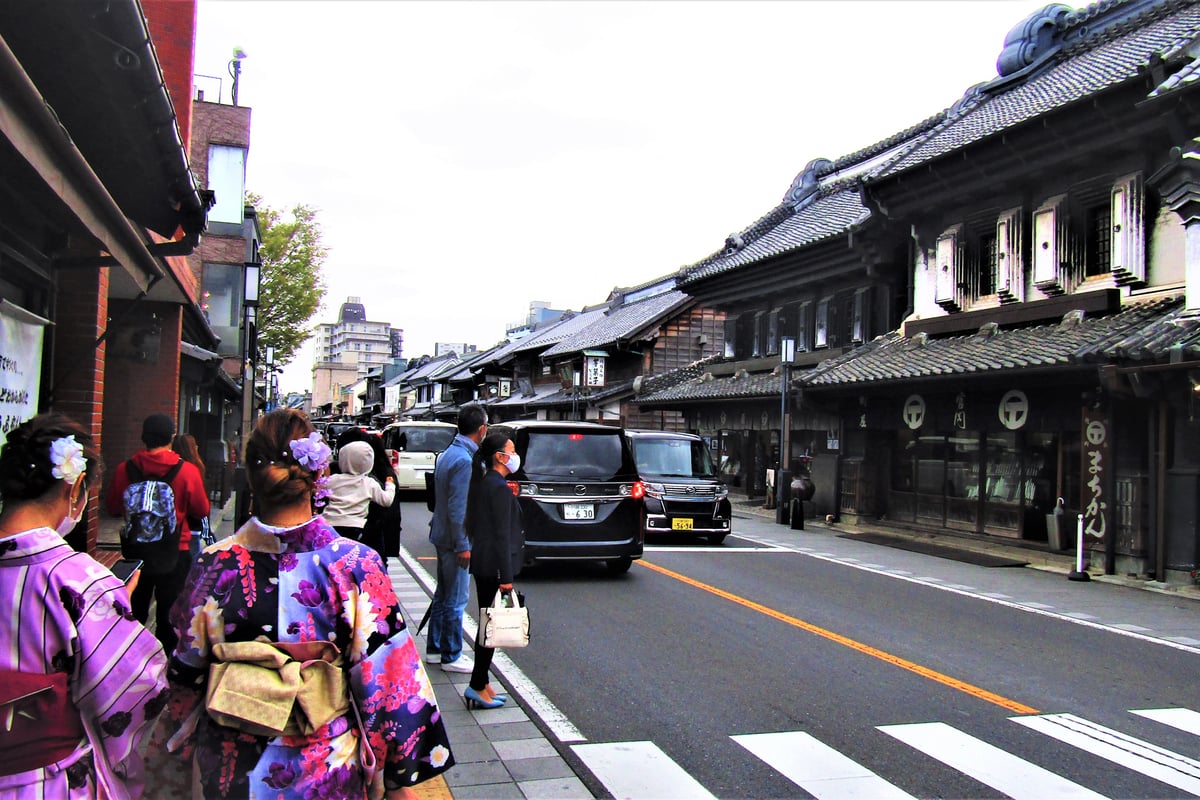
Kurazukuri Street (Ichibangai)
蔵造りの町並み(一番街)
A main street lined with roughly 400 meters of kurazukuri (traditional storehouse-style) buildings, the very symbol of Kawagoe. Learning from the devastating Kawagoe Fire of 1893 (Meiji 26), merchants competed to build imposing, fire-resistant black-plastered storehouse shops, and more than 30 of them still stand shoulder to shoulder today. In 1999 the area was designated a national "Important Preservation District for Groups of Historic Buildings," and the Toki no Kane bell tower rises midway along the street. Long-established kimono fabric shops, a kurazukuri museum, and Taisho- and Showa-era Western-style buildings mingle here, creating a distinctive streetscape where the Edo period and modern times overlap. With plenty of street-food stalls, souvenir shops, and kimono rental stores, it's a great place to stroll the whole street at a leisurely pace and soak up the old Edo atmosphere. Sights such as Toki no Kane, the Kurazukuri Museum, and the Osawa Family Residence are scattered along the street, which also serves as the gateway to Kashiya Yokocho and Koedo Kurari, so many travelers build their whole Kawagoe itinerary around Ichibangai as a starting point. Some buildings are lit up at night, offering a different charm from daytime.
🚶 10 min walk from Hon-Kawagoe Station
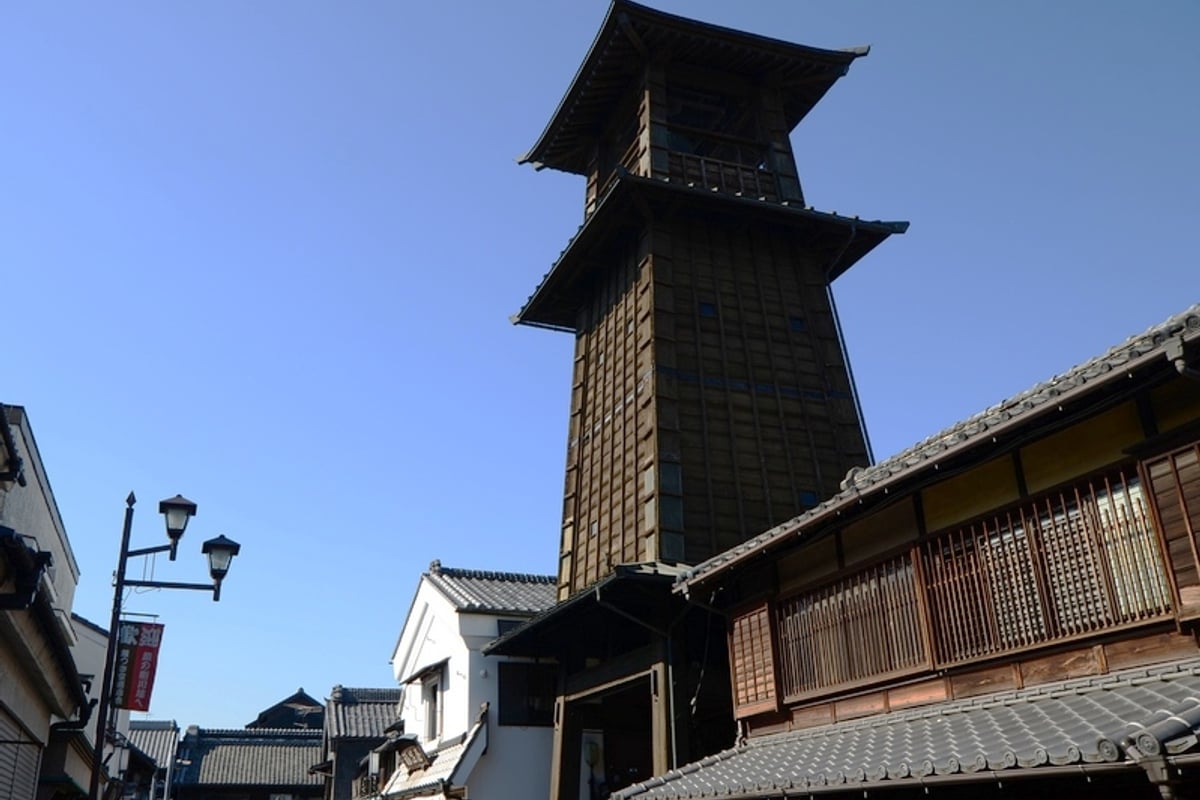
Toki no Kane (Bell Tower)
時の鐘
A roughly 16-meter-tall, three-story wooden bell tower standing just off a side alley near the middle of the kurazukuri townscape. It is said to have been first built by Sakai Tadakatsu, lord of Kawagoe Castle, during the Kan'ei era (1627-1634), and for nearly 400 years it has tolled the hours as a symbol of Kawagoe. The current tower was rebuilt the year after the great Kawagoe Fire of 1893, and even today its bell still rings out over the town four times a day — at 6:00 a.m., noon, 3:00 p.m., and 6:00 p.m. — via an automatic striking mechanism. Its sound was selected as one of the Ministry of the Environment's "100 Soundscapes of Japan to Be Preserved." Free to view, it's an iconic stop on any stroll through the kurazukuri townscape, and the wooden tower rising at the end of the alley is a popular photo spot among visitors. Long-established confectioners and sweets shops are scattered around Toki no Kane, making it a pleasant place for a leisurely walk while listening for the bell.
🚶 15 min walk from Hon-Kawagoe Station
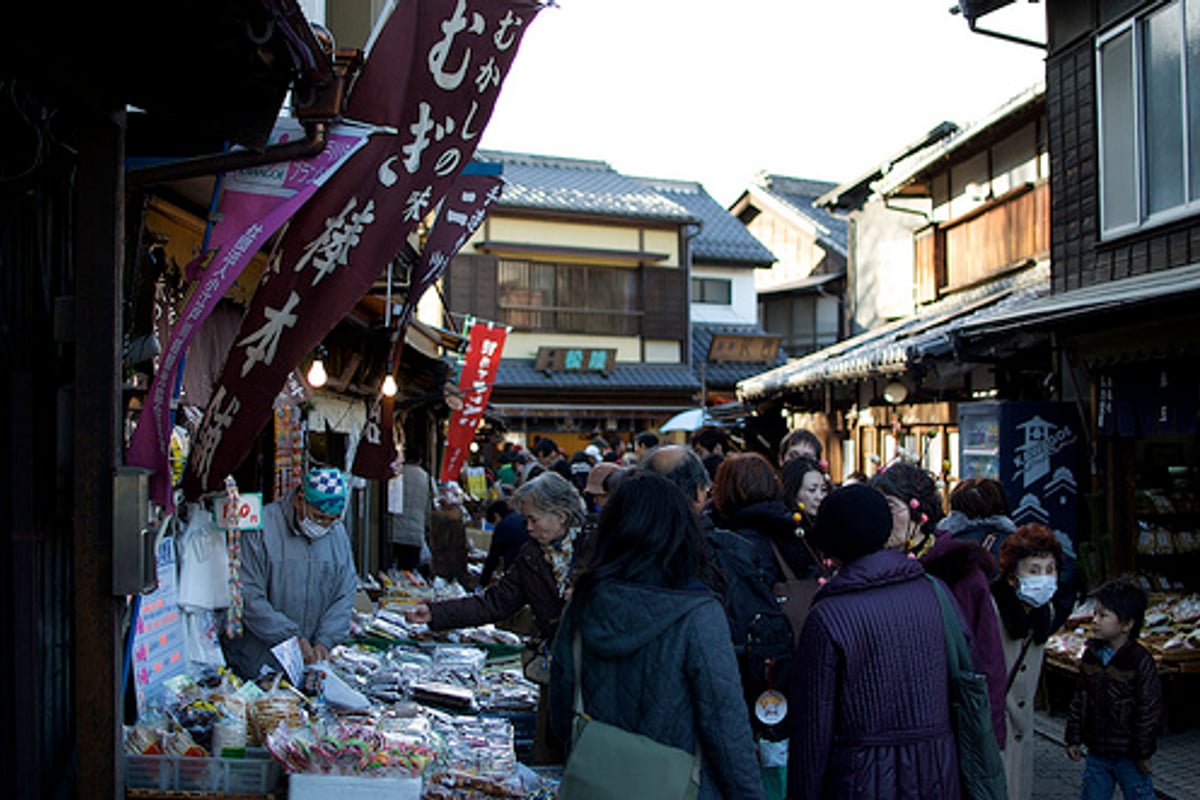
Kashiya Yokocho (Candy Alley)
菓子屋横丁
A narrow alley just west of the kurazukuri townscape, packed with about 30 old-fashioned candy shops and Japanese confectionery stores where you can snack as you stroll. Candy makers began gathering here in the early Meiji era, and after the 1923 Great Kanto Earthquake the alley developed further as a candy-supply hub for Tokyo. From nostalgic treats like fu-gashi (wheat-gluten candy) and hand-pulled candy sculptures to imo-kenpi (fried sweet potato sticks) and sweets made from Kawagoe's famous sweet potatoes, there's plenty to nibble on as you wander the alley's Taisho- and Showa-era retro atmosphere. Selected by the Ministry of the Environment as one of Japan's "100 Fragrant Landscapes," the alley draws crowds of tourists and families lured by its sweet, toasty aromas, making it one of Kawagoe's most popular attractions. Deep in the alley stands the Kashiya Yokocho Jizo, said to bring good matchmaking luck, so there's more to enjoy here than just snacking. Set just off the main Ichibangai street, it offers a Showa-retro atmosphere quite different from the kurazukuri townscape — a great place to pick up an assorted box of old-fashioned candy as a Kawagoe souvenir.
🚶 15 min walk from Hon-Kawagoe Station
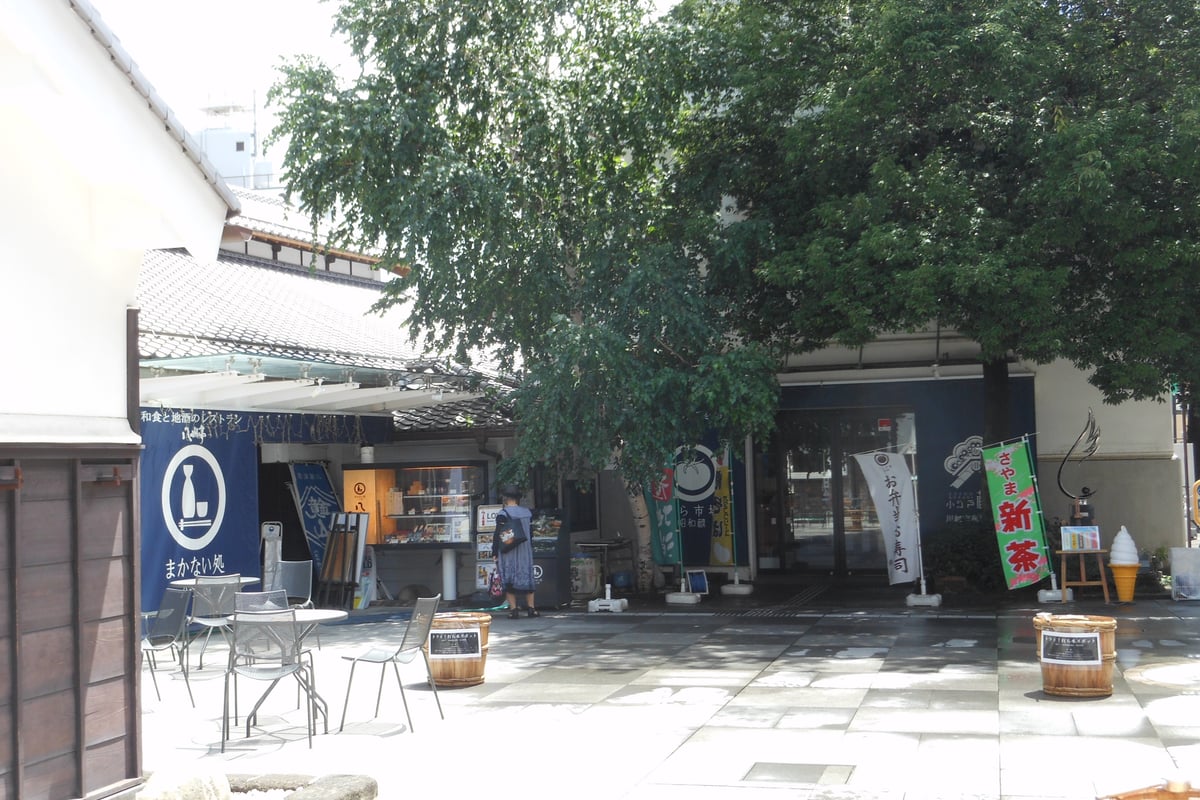
Koedo Kurari
小江戸蔵里
Just a three-minute walk from Hon-Kawagoe Station, this complex tourist facility is a renovation of the roughly 120-year-old former Kagamiyama Sake Brewery. It comprises four buildings — the Meiji Kura, Taisho Kura, Showa Kura, and Exhibition Kura — housing a market selling Kawagoe local specialties and sake from 32 breweries across Saitama Prefecture, a restaurant serving dishes made with local ingredients, and a brewery-run taproom pouring freshly brewed craft beer. The atmospheric buildings retain the imposing character of the original storehouses, making it an easy stop for souvenir hunting or a short break. Thanks to its convenient location just a short walk from the station, it's popular as a spot to visit either before or after exploring Ichibangai. Inside, you can also sense the building's history through its exposed roof beams and earthen walls, and there's a corner for tasting local Kawagoe sake as well as light meals made with Saitama-grown ingredients. Since you can gather all your Kawagoe souvenirs in one place without having to carry bags around all day, many travelers make it their last stop of the trip.
🚶 3 min walk from Hon-Kawagoe Station
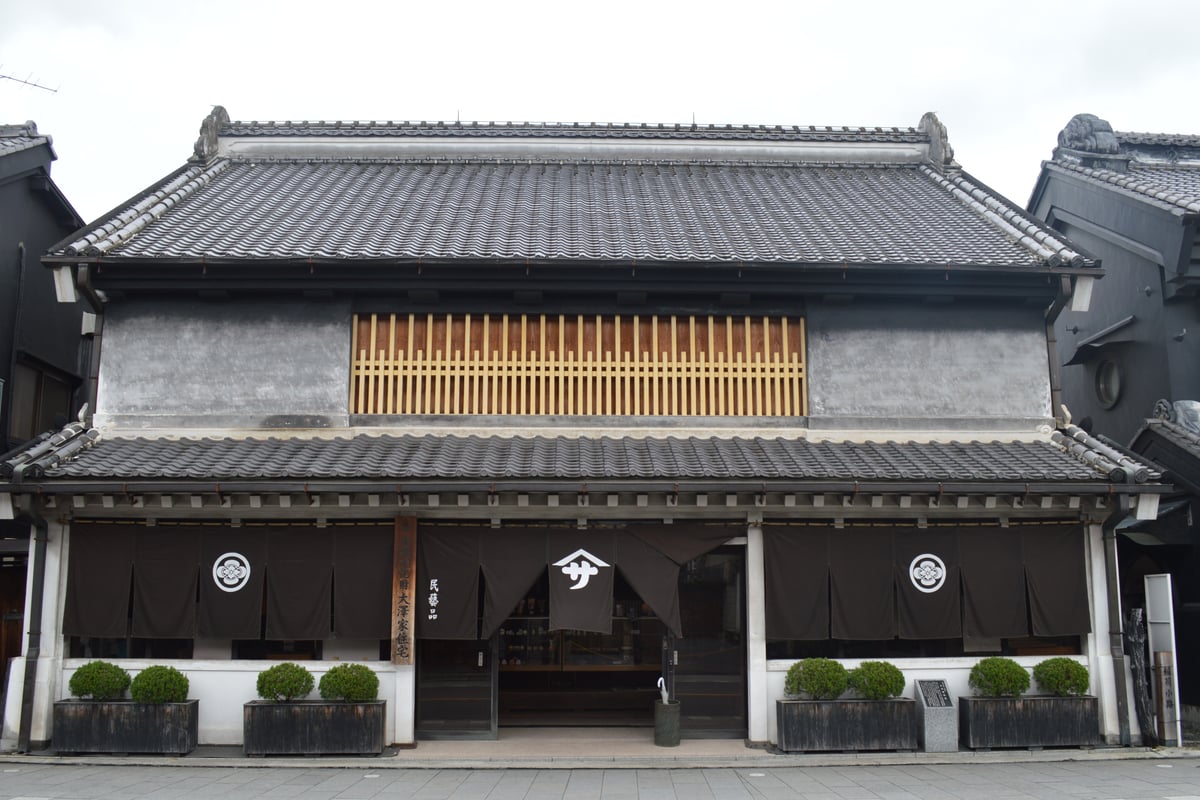
Osawa Family Residence
大沢家住宅
Built in 1792 (Kansei 4) by the wealthy merchant Nishimura Hanemon, originally from Omi Province, as the storehouse-style shop of his kimono-fabric business "Omiya." When a third of the town burned in the great Kawagoe Fire of 1893, this building drew attention as one of the rare structures to survive, and it went on to inspire Kawagoe merchants to compete in building their own kurazukuri storehouse shops. It is considered the oldest surviving kurazukuri building in Kawagoe and among the oldest in the Kanto region, and was designated a National Important Cultural Property in 1971. With a full two-story structure whose ground floor served as the "mise" (shop space), its plain, functional design is carefully preserved and open to the public today as the origin point of Ichibangai's kurazukuri architecture. Inside, visitors can see part of the original floor plan and tools used when it was a working merchant house, getting an up-close sense of the structure and fireproofing ingenuity of kurazukuri architecture. Comparing it with the other kurazukuri merchant houses along Ichibangai as you walk makes it easier to appreciate how the architectural style changed over time.
🚶 15 min walk from Hon-Kawagoe Station
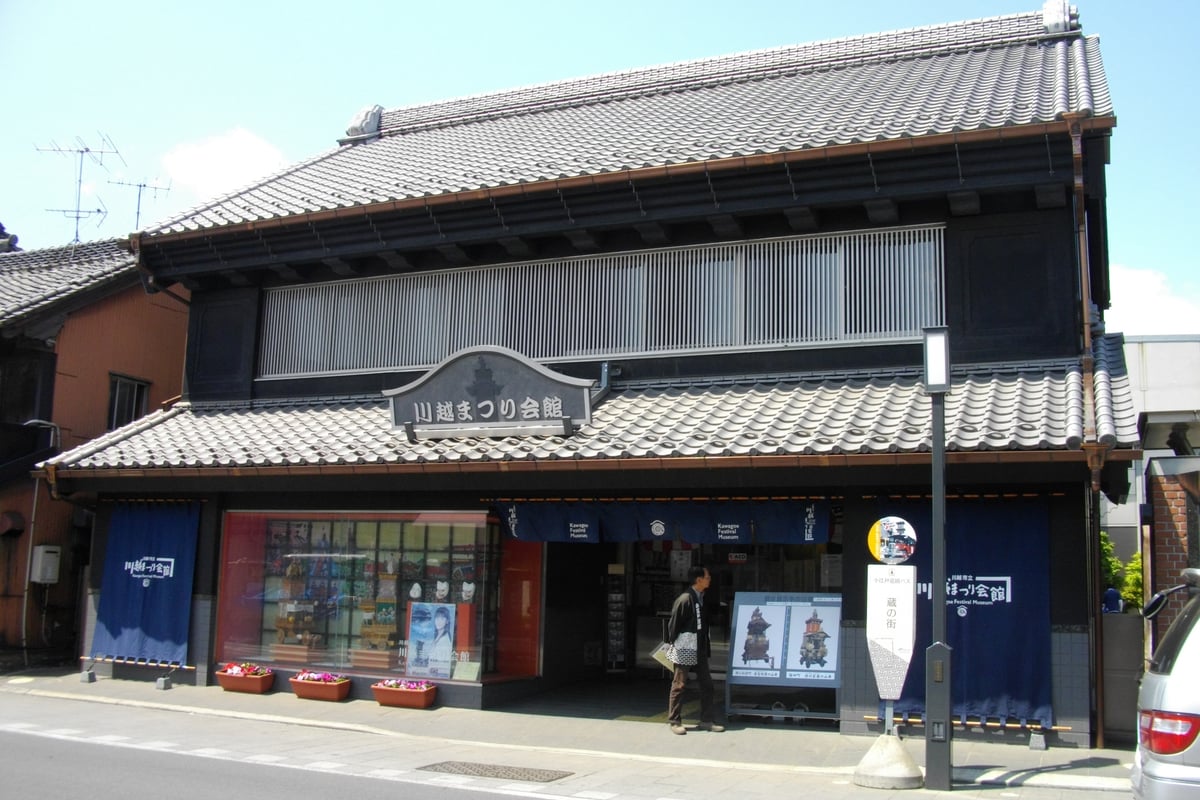
Kawagoe Matsuri Kaikan (Festival Museum)
川越まつり会館
A museum where you can experience the "Kawagoe Hikawa Festival Float Event" (Kawagoe Matsuri) — designated a National Important Intangible Folk Cultural Property — year-round. Two of the festival's magnificent floats are on permanent display inside, letting visitors get an up-close look at their intricate carvings and dolls, as well as the two-tiered structure unique to Kawagoe-style Edo floats. The museum also features video screenings of the festival music and displays introducing generations of float dolls and the festival culture of Little Edo Kawagoe, so even if you can't make it to the main festival in October, you can still experience the excitement and history of the Kawagoe Matsuri. Conveniently located for a stop along an Ichibangai stroll, it's recommended for anyone who wants to learn more about Kawagoe's festival culture. The museum also has a display corner for the costumes and tools used in the festival, letting visitors relive the excitement of the actual festival day through photos and video. Even travelers who can't time their visit to the October festival can spend a whole year learning about the power and history of the Kawagoe Matsuri at this valuable venue.
🚶 14 min walk from Hon-Kawagoe Station

![[New Trip] スーツケース キャリーケース 拡張機能付き 機内持ち込み 軽量 大型 キャリーバック Sサイズ 40L 2~3泊 アイボリー | 旅行や出張で荷物が増えても安心!マチ幅5cm拡張で容量約20%アップ。耐衝撃ボディ、信頼のYKKファスナー、海外旅行に欠かせないTSAロック、静音ダブルキャスター、多段階調節キャリーバー搭載、S/M/Lの3サイズ展開。](https://m.media-amazon.com/images/I/61mh9ATG7UL._AC_SL1500_.jpg)

![[地球の歩き方掲載] セキュリポ 独自ライクラ撥水素材×2重ポケットデザイン セキュリティポーチ パスポートケース スキミング防止 撥水 メンズ レディース LiberFlyer リバーフライヤー 海外旅行 よくあるトラブル10選と対応策コラム付き (ピンクジッパー, Sサイズ)](https://m.media-amazon.com/images/I/61XSERkuoOL._AC_SL1346_.jpg)


